Stanley Druckenmiller Says Joby Aviation Is a Buy. Is It?
Stanley Druckenmiller built his reputation on Wall Street managing billions for George Soros, including the 1992 trade that profited $1 billion shorting the British pound. He later ran Duquesne Capital, delivering average annual returns above 30% before closing it in…


Stanley Druckenmiller built his reputation on Wall Street managing billions for George Soros, including the 1992 trade that profited $1 billion shorting the British pound. He later ran Duquesne Capital, delivering average annual returns above 30% before closing it in 2010. Now, he oversees his personal wealth via the Duquesne Family Office, focusing on high-conviction bets.
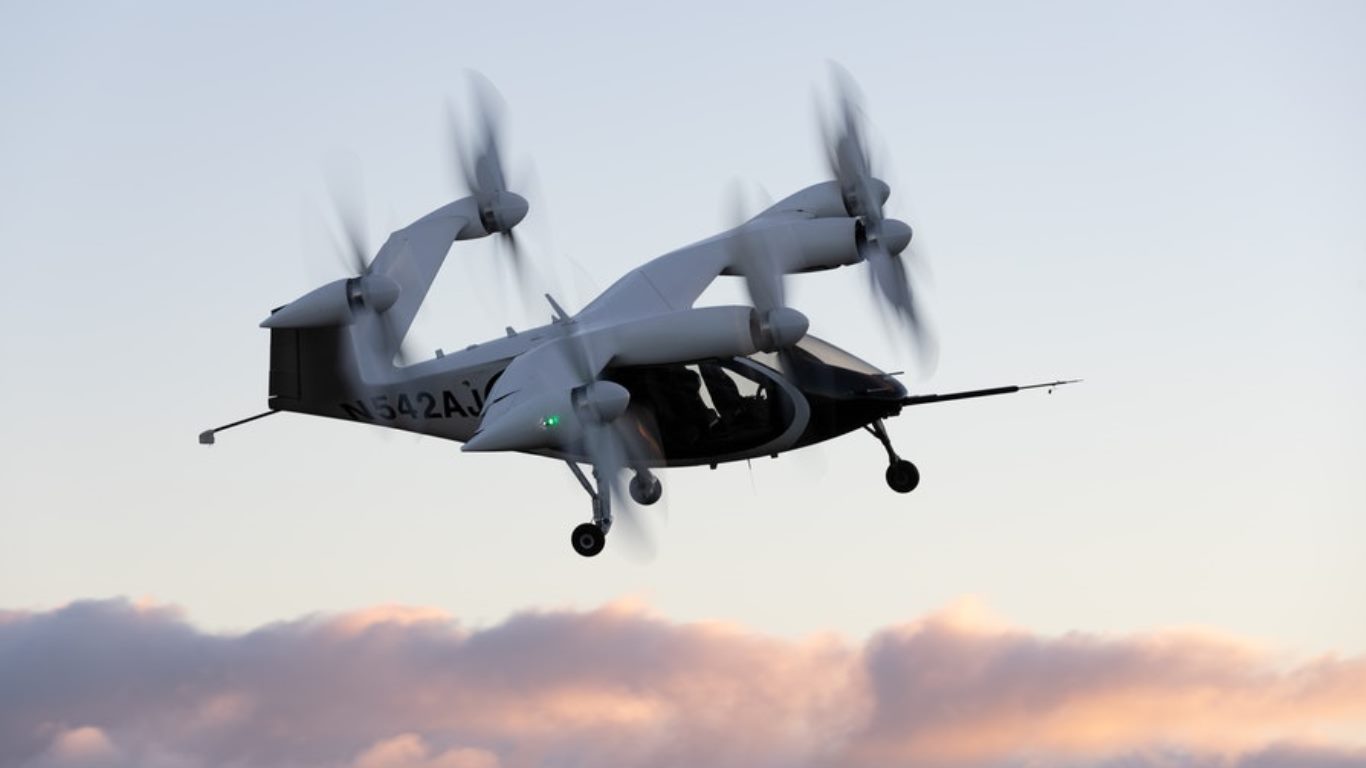
Recently, Druckenmiller posted on X about Joby Aviation (NYSE:JOBY | JOBY Price Prediction), highlighting its entry into the final FAA certification stage with power-on testing of its first conforming air taxi. He also noted it is “an opportunity for long-term investors to watch emerging transport infrastructure.”
This bullish signal came hours before Joby’s third-quarter earnings release, which was followed up by the electrical vertical takeoff and landing (eVTOL) aircraft maker announcing it signed a letter of intent for up to $250 million in aircraft and services sales in Kazakhstan.
Why Joby’s Stock Keeps Dropping
Despite positive milestones, Joby’s stock has faced volatility this year. Shares started the year around $8 per share, dipped below $5 by April, but soared to almost $21 a stub by August. The eVTOL leader has experienced turbulence since, almost touching $20 a stub again last month, but retreating below $14 today.
An October equity offering raised approximately $514 million (with net proceeds of $576 million), but investors who were diluted by the move didn’t like that the offering was priced 11% below where the stock had been trading. Its just released Q3 report also showed a much wider-than-expected loss of $0.48 per share compared to consensus estimates of $0.19, highlighting investor concerns over ongoing cash burn and delayed profitability.
There are several factors behind Joby’s decline. As a pre-commercial company, its reported revenue of $22.6 million was mostly from Defense Dept. contracts and the acquired Blade service. However, this was overshadowed by the big EPS loss, missing estimates badly due to high R&D and manufacturing costs.
Cash burn also hit $106.56 million in operations, though the balance sheet remains strong at $978 million before the equity offering. Broader market jitters, including aerospace sector headwinds and economic uncertainty, have amplified the pressure. Potential delays in FAA certification and execution risks also weigh on investor sentiment.
Headwinds That Could Ground Progress
Joby faces stiff challenges in the eVTOL space. Regulatory hurdles remain high, and though power-on testing marks progress, full FAA type certification isn’t expected until late 2026, with commercial launches potentially delayed further.
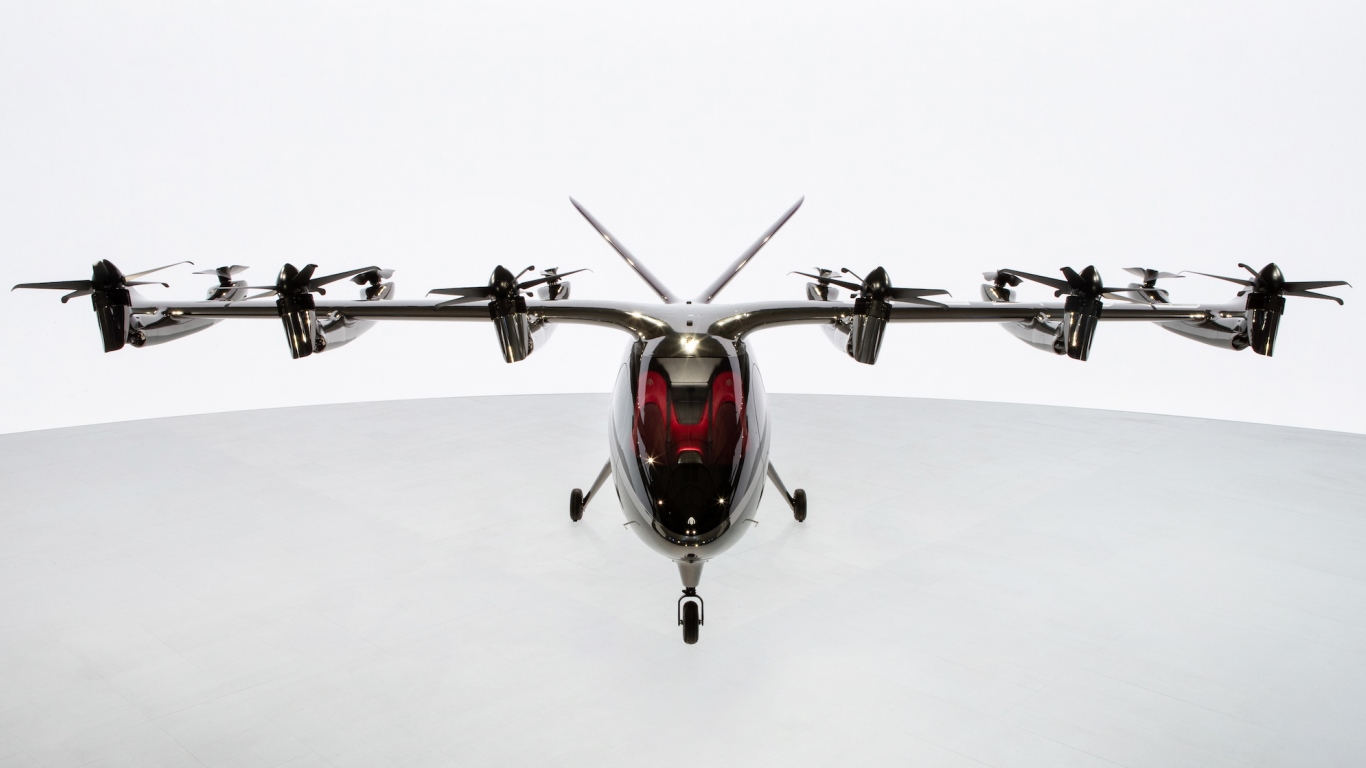
Competition from Archer Aviation (NYSE:ACHR) and others is intensifying, and urban air mobility adoption depends on infrastructure buildout, which Kazakhstan’s deal aims to support but is still a letter of intent, not binding.
Joby also needs to prove there will be consumer acceptance of, and demand for, eVTOL air taxi services. This means Joby exhibits high execution risk, a long path to profitability (possibly years away), and reliance on partnerships like Toyota (NYSE:TM) for funding. An economic slowdown could further curb investor appetite for speculative stocks.
Why This eVTOL Stock Could Still Take Flight
Despite setbacks, JOBY shows promise for patient investors. The company completed over 600 flights in 2025, expanded manufacturing with 100 new roles, and secured government backing for pilot programs.
The Kazakhstan agreement — involving aircraft sales and material sourcing — positions the country as a Central Asian hub, potentially accelerating revenue. Partnerships with Uber Technologies (NYSE:UBER) and the U.S. Air Force bolster Joby’s credibility, while having $1.5 billion in cash after the equity offering indicates Joby has the runway to hit milestones.
If urban air taxis take off, the market could reach billions, making Joby Aviation a leader in sustainable transport.
Key Takeaway
It should be noted that based on Druckenmiller’s latest 13F filing for Q2, Duquesne Family Office holds just 31,489 of Joby’s shares — unchanged from prior quarters — valued at around $440,000 at current prices. This tiny position represents around 0.01% of the nearly $4 billion portfolio, suggesting limited commitment despite the bullish X post.
Certainly Druckenmiller’s Q3 filings, which are due mid-November, could reveal changes, but as of now, Druckenmiller isn’t heavily invested. His endorsement might signal future buys, but it hasn’t translated to significant ownership yet.
Given the risks, Joby’s stock isn’t for conservative portfolios, but Druckenmiller’s nod highlights its potential. The stock’s dips could offer entry points for long-term believers betting on certification success and market growth. Aggressive investors might buy now, while others wait for clearer signs that profitability is achievable.
Contact [email protected] for any questions or corrections.
After two decades of patrolling the dark corners of suburbia as a police officer, Rich Duprey hung up his badge and gun to begin writing full time about stocks and investing. For the past 20 years, he’s been cruising the markets looking for companies to lock up as long-term holdings in a portfolio while writing extensively on the broad sectors of consumer goods, technology, and industrials. Because his experience isn’t from the typical financial analyst track, Rich is able to break down complex topics into understandable and useful action points for the average investor. His writings have appeared on The Motley Fool, InvestorPlace, Yahoo! Finance, Money Morning, and, of course, 24/7 Wall St. He has been featured in both U.S. and international publications, including MarketWatch, Financial Times, Forbes, Fast Company, and USA Today.