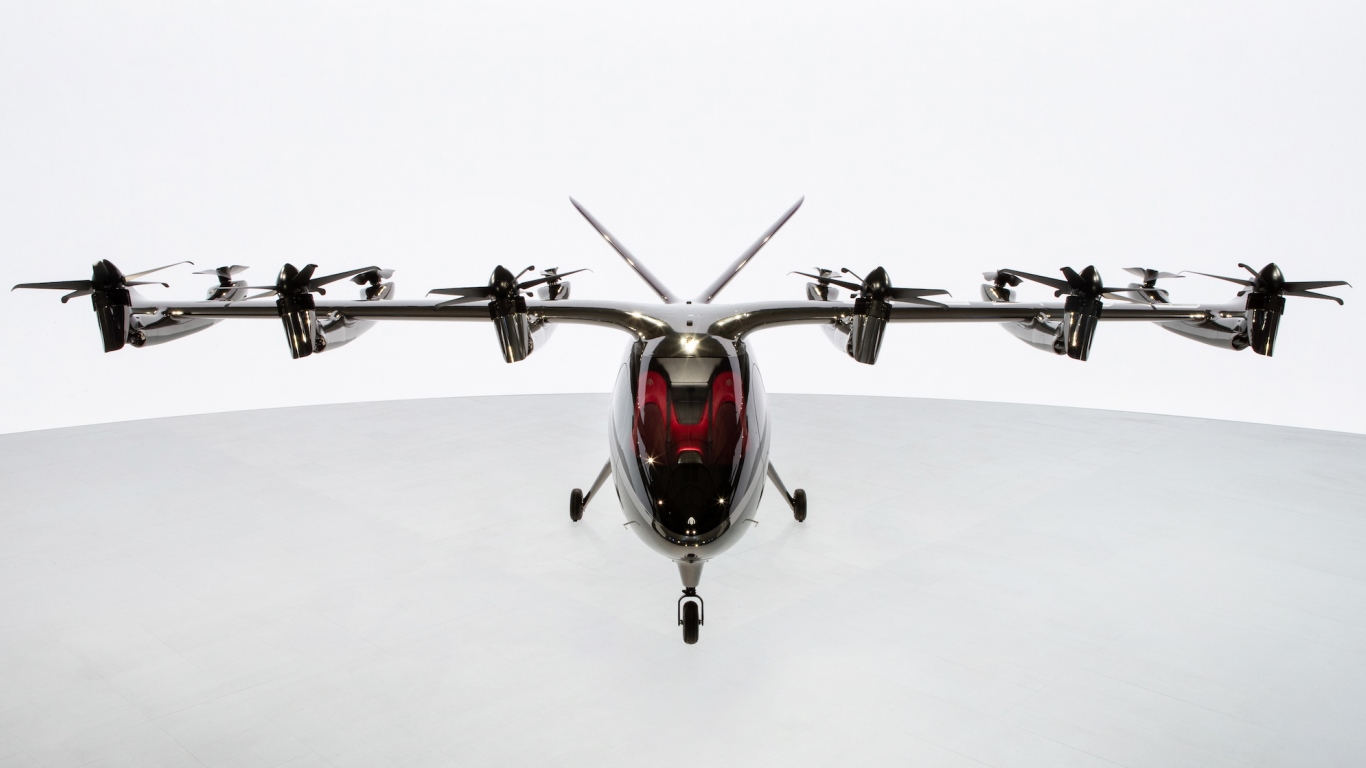
Will Joby Aviation or Archer Aviation Cash In Big on Earnings Next Week?
As investors eye next week’s earnings reports from the electric vertical takeoff and landing (eVTOL) sector, all attention turns to Joby Aviation (NYSE:JOBY | JOBY Price Prediction) and Archer Aviation (NYSE:ACHR), which release third-quarter results on Nov. 5 and Nov.…

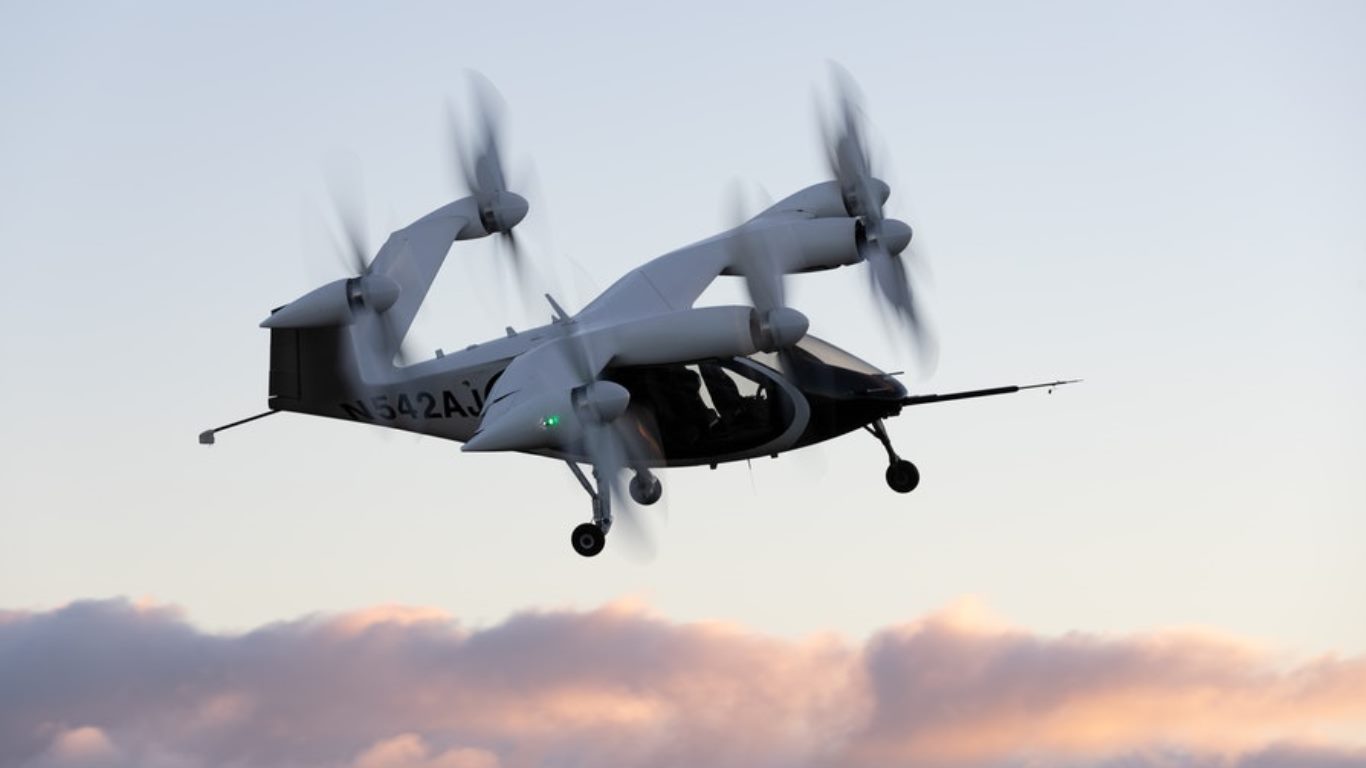
As investors eye next week’s earnings reports from the electric vertical takeoff and landing (eVTOL) sector, all attention turns to Joby Aviation (NYSE:JOBY | JOBY Price Prediction) and Archer Aviation (NYSE:ACHR), which release third-quarter results on Nov. 5 and Nov. 6, respectively.
Because both companies remain pre-revenue, burning cash on development without meaningful sales to judge profitability, traditional metrics like EPS or revenue growth hold limited sway here. Instead, analysts and traders will parse these reports for signals on operational momentum, certification timelines, and funding runway.
In a nascent industry projected to hit $29 billion by 2030 — and between $1 trillion and $5 trillion a decade later — direction trumps dollars. Joby’s update could highlight its edge in FAA testing, potentially lifting shares if it reaffirms 2026 launches in the UAE and U.S. Archer, with deeper pockets and manufacturing scale, might impress on production ramps, but delays in certification could weigh it down.
Whichever shows clearer paths to commercialization stands to gain, as eVTOL hype demands proof of execution over promises. Expect volatility: a “beat” here means forward guidance that reassures on risks like regulatory hurdles or market adoption.
Racing Toward Takeoff: Launch Strategies Unfold
Both Joby and Archer are mapping aggressive paths to commercial operations, blending domestic trials with international footholds. Joby eyes an early 2026 debut in Dubai through a partnership with the UAE government, aiming for air taxi services in high-density urban corridors. Stateside, it’s advancing vertiport infrastructure in New York and California, tied to deals with Delta Air Lines (NYSE:DAL) for potential integration into regional travel.
Archer mirrors this playbook but leans harder on global expansion. Its UAE collaboration with Abu Dhabi Aviation targets similar 2026 rollouts, while a Stellantis (NYSE:STLA)-backed manufacturing facility in Georgia positions it for U.S. East Coast deployments. Archer’s Midwest Air Route Network envisions shuttle services between Chicago and Ohio by late 2026, leveraging FAA-supervised trials starting next year.
Both firms emphasize hybrid models: Joby plans to own and operate fleets for control, while Archer focuses on aircraft sales to operators, potentially accelerating revenue but ceding some margins.
These strategies hinge on blending eVTOL with existing transport, but execution varies. Joby’s pilot program with Uber Technologies (NYSE:UBER) positions it for seamless app-based bookings, whereas Archer’s ties to United Airlines (NASDAQ:UAL) could unlock airport access. As 2025 closes, watch for updates on these milestones — delays could signal supply chain snags in battery tech or composite materials.
Deep Pockets and Heavy Hitters
Sustained investment defines eVTOL viability, and both companies boast robust support. Joby draws from Toyota‘s (NYSE:TM) $894 million commitment since 2020, funding vertical integration from design to production. Its Q2 cash pile neared $1 billion, ample for a projected 2025 burn of $500 million to $540 million and runway through 2027.
Archer counters with even stronger liquidity at $1.7 billion after Q2, bolstered by Stellantis equity and a $150 million BlackRock (NYSE:BLK) credit line. This war chest supports a 500-aircraft production goal by 2028, with Q3 estimates pegging EBITDA losses at $110 million to $130 million — manageable given it has no debt maturities until 2028.
Industry giants amplify credibility with Joby collaborating with NASA on noise reduction, and Archer offered Defense Dept. contracts. These alliances not only inject capital but validate technolohy for dual-use applications. Yet, dilution risks linger — Joby’s recent $250 million capital raise trimmed shares, a reminder that growth demands fresh funding.
Public acceptance is arguably the biggest risk. Surveys show 60% urbanites are intrigued by air taxis, but pricing likely will deter mass uptake. Too high, and demand could be below 1 million rides annually by 2030 — far short of profitability thresholds.
Certification’s Final Lap: Nearing the Checkered Flag
The FAA’s type certification process remains the gatekeeper, and both are in the home stretch. Joby hit 70% completion on stage 4 in the second quarter, with FAA pilots slated for flight tests in early 2026. Structural validations, like static load tests, are done, leaving systems integration and human factors.
Archer trails slightly, targeting a late-2025 signoff after completing conformity testing. Its Midnight aircraft has logged 500+ test flights, but FAA scrutiny on battery redundancy and autonomy could extend timelines. Both joined the FAA’s eVTOL pilot program in September, enabling supervised U.S. trials pre-certification.
White House backing adds tailwinds. A September executive order under Transportation Secretary Sean Duffy fast-tracks advanced air mobility, integrating eVTOL into airspace by 2027. Defense interest, via DoD’s Replicator initiative, funnels grants for cargo variants.
Key Takeaway
Joby Aviation is the favorite to edge out an earnings “beat,” with its certification lead and operational clarity. Archer’s liquidity shines, but slower FAA progress tempers upside enthusiasm.
Beyond beats, investors should gauge their preparation for scale. Joby’s integrated model better equips it for 2026 growth, while Archer’s partnerships suit rapid expansion if hurdles clear. That means investors should ignore the actual numbers in favor of execution signals. This could become a massive industry, but expect a lot of turbulence until that is achieved.
Contact [email protected] for any questions or corrections.
After two decades of patrolling the dark corners of suburbia as a police officer, Rich Duprey hung up his badge and gun to begin writing full time about stocks and investing. For the past 20 years, he’s been cruising the markets looking for companies to lock up as long-term holdings in a portfolio while writing extensively on the broad sectors of consumer goods, technology, and industrials. Because his experience isn’t from the typical financial analyst track, Rich is able to break down complex topics into understandable and useful action points for the average investor. His writings have appeared on The Motley Fool, InvestorPlace, Yahoo! Finance, Money Morning, and, of course, 24/7 Wall St. He has been featured in both U.S. and international publications, including MarketWatch, Financial Times, Forbes, Fast Company, and USA Today.