3 Tech Stocks That Will Beat The S&P 500 Next Year
The tech sector has been one of the most reliable industries for long-term returns. For instance, the Fidelity MSCI Information Tech ETF (NYSEARCA:FTEC) has an annualized 22.4% return over the past decade. That’s enough to outperform the S&P 500, but…


The tech sector has been one of the most reliable industries for long-term returns. For instance, the Fidelity MSCI Information Tech ETF (NYSEARCA:FTEC) has an annualized 22.4% return over the past decade. That’s enough to outperform the S&P 500, but some tech stocks are poised to fly higher than others. Investors who want to beat the S&P 500 in 2026 may want to consider these picks.
Duolingo (DUOL)
Duolingo (NASDAQ:DUOL | DUOL Price Prediction) is a momentum stock that recently hit a wall, and it’s down by more than 40% year-to-date. It has also lost more than 60% of its value compared to its 2025 high. However, Duolingo’s stock price woes aren’t connected to bad financials or any cracks in the long-term growth thesis.
Duolingo shares did get a little too hot when they were trading for $540 per share, but that’s because the company has excellent growth rates. The language learning app posted 41% year-over-year revenue growth in Q3 on the back of 50 million daily active users and a 36% annual growth rate in its daily active users. Duolingo has even expanded its profit margins during this stretch, which makes it more promising now that the stock price has dropped sharply.
The biggest concern is that ChatGPT and other language learning models can create their own language apps within seconds. Users can put in prompts and start learning a new language. While it’s a risk to consider, Duolingo’s growth rates are still impressive, and the company is investing in AI to give itself an edge. The stock may dip a bit more for the rest of the year due to negative sentiment, but it can lead to a buying opportunity that positions investors to outperform the S&P 500.
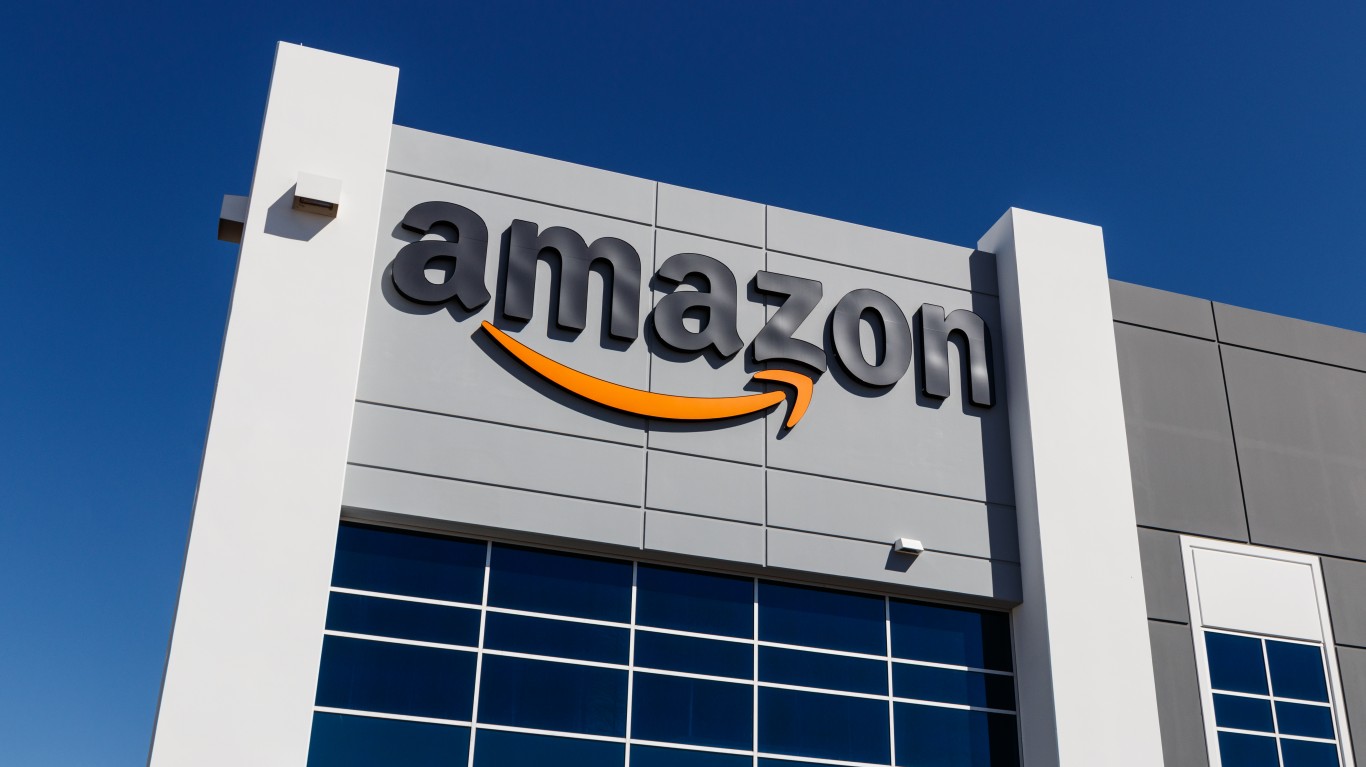
Amazon (AMZN)
Amazon (NASDAQ:AMZN) has always been a fan favorite in the stock market due to its e-commerce store and Amazon Web Services. Those two segments continue to do the heavy lifting, but Amazon’s AI investments can unlock new growth opportunities, and some investors have already noticed.
The stock has rallied by almost 50% from its 2025 lows and is up by 12% year-to-date. The company just released an AI-powered business assistant that will help business owners shop, save money, and address supply chain disruptions. Artificial intelligence can help Amazon expand into multiple industries, and its cloud computing makes it the ideal hub for AI apps.
Amazon also delivered 13% year-over-year sales growth in the third quarter, indicating that it is still gaining market share. Amazon Web Services revenue growth accelerated in the quarter, and that trend may be more common as AI demand compounds. Amazon’s existing business opportunities and artificial intelligence make it a good candidate for outperforming the S&P 500 next year.
Nvidia (NVDA)
Nvidia (NASDAQ:NVDA) has a long history of outperforming the S&P 500, and it did so again with a 39% year-to-date gain. Nvidia is at the center of the AI boom due to its unquestioned dominance in the AI chip industry. Competitors are making ground, but Nvidia remains the leader by a wide margin.
Revenue and net income continue to surge. The company’s Q2 FY26 results point to 56% year-over-year growth for its revenue and net income. While revenue only grew by 6% sequentially, its high growth rates are still likely enough to beat the S&P 500 next year. The push into robotics can also push Nvidia stock higher as more companies turn to its AI chips to power their devices. Self-driving cars also present a significant long-term tailwind for Nvidia.
Investors shouldn’t expect Nvidia to repeat its 1,300% gain over the past five years, but it trades at a reasonable 55 P/E ratio, given its net income growth.
Contact [email protected] for any questions or corrections.
Marc Guberti is a personal finance writer who has written for US News & World Report, Business Insider, Newsweek and other publications. He also hosts the Breakthrough Success Podcast which teaches listeners how to use content marketing to grow their businesses.