Bill Gates Just Dumped 65% of His Microsoft Stock. Should You Sell?
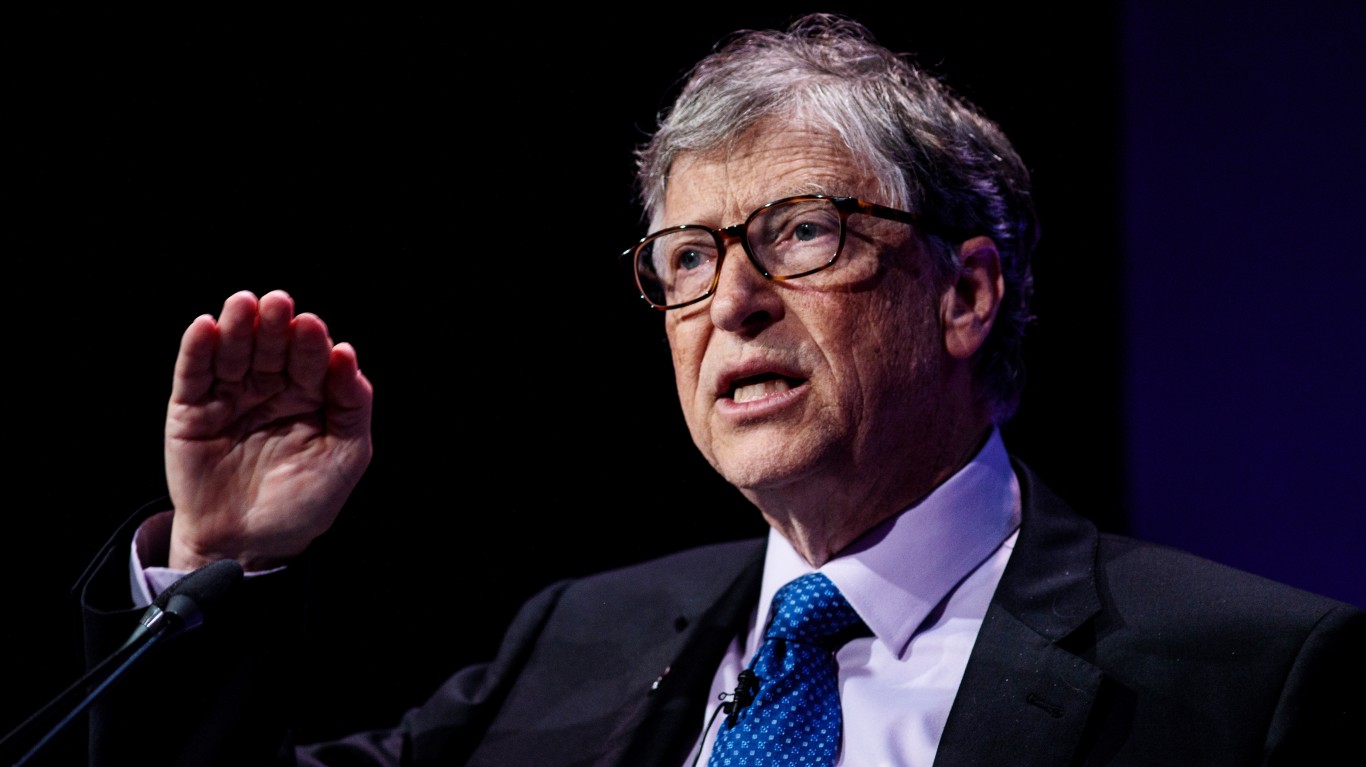
Microsoft co-founder (NASDAQ:MSFT | MSFT Price Prediction) Bill Gates once held the vast majority of his personal wealth in the company’s shares. Over decades, he gradually reduced his direct ownership through sales and massive donations to philanthropy. The Bill &…


Microsoft co-founder (NASDAQ:MSFT | MSFT Price Prediction) Bill Gates once held the vast majority of his personal wealth in the company’s shares. Over decades, he gradually reduced his direct ownership through sales and massive donations to philanthropy.
The Bill & Melinda Gates Foundation Trust — now called the Gates Foundation Trust after his ex-wife resigned from the organization — long maintained Microsoft as its largest holding, a legacy of Gates’ ongoing stock gifts. One year ago, the holdings were valued at nearly $14 billion and represented one-third of the total.
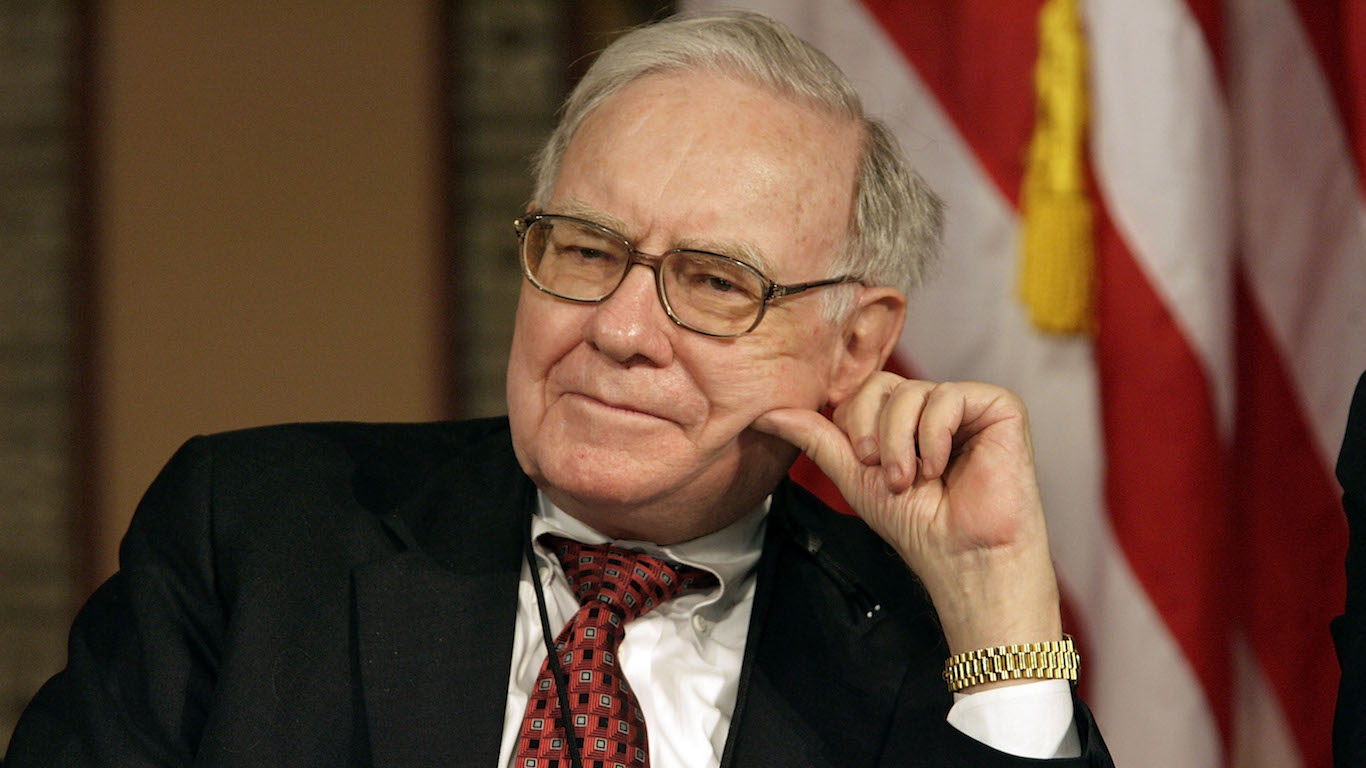
Yet in its third quarter 13F-HR filing, the Trust revealed it sold approximately 17 million shares, slashing its Microsoft position by nearly 65%. The stock, previously valued at around $13.9 billion, dropped to roughly $4.76 billion. Microsoft now ranks only fourth in the portfolio, trailing Berkshire Hathaway (NYSE:BRK-A)(NYSE:BRK-B) at $10.9 billion, Waste Management (NYSE:WM), and Canadian National Railway (NYSE:CNI).
But if the company’s founder’s foundation is dumping stock on this scale, even though Gates stepped away from operations years ago, does that signal it’s time for you to sell too?
From Windows Dominator to AI Powerhouse
Microsoft has evolved far beyond its roots as a personal computer software giant. Under CEO Satya Nadella, the company pivoted aggressively into cloud computing with Azure and positioned itself as a leader in artificial intelligence (AI) through its multibillion-dollar partnership with OpenAI and the integration of Copilot tools across Office, GitHub, and Bing.
This transformation paid off handsomely for years, pushing MSFT to repeated all-time highs in 2025. However, the stock has retreated about 12% from its late-October peak near $555 per share, trading today around $487 amid a broader rotation out of high-valuation AI names. Fears of an “AI bubble” intensified recently, with bears like Michael Burry highlighting massive capex without proportional returns yet.
Those concerns took a hit yesterday when Nvidia (NASDAQ:NVDA) reported blowout Q3 earnings, with revenue up over 60% and guidance signaling “off the charts” demand for its Blackwell AI chips. The chipmaker’s results reaffirmed that enterprise and hyperscaler spending on AI infrastructure remains robust, directly benefiting Microsoft’s Azure business, which powers much of the world’s generative AI workloads.
Why the Massive Sale Now?
The Gates Foundation Trust’s 65% reduction stands out for its size — $8.7 billion to $8.8 billion in proceeds at Q3 average prices. The Trust also trimmed other major holdings and completely exited positions in Crown Castle (NYSE:CCI) and United Parcel Service (NYSE:UPS). This wasn’t isolated to Microsoft.
Analysts largely attribute the moves to portfolio rebalancing and liquidity needs rather than a bearish bet on Microsoft specifically. The foundation plans to ramp annual grantmaking to $9 billion by 2026 and fully spend down its endowment by 2045. Reducing concentration risk in a single stock — especially one tied to the Gates family history — makes sense for a philanthropic vehicle that must generate reliable cash for global health and education initiatives.
Historical donations from Gates himself had kept Microsoft overweight for years; diversifying into stable value names like Berkshire Hathaway aligns with endowment best practices.
There’s no public evidence the sales reflect insider concerns about AI competition, valuation, or OpenAI tensions, despite occasional speculation. The Trust remains Microsoft’s fourth-largest holding with over 9 million shares, hardly a full exit.
Key Takeaway
Individual investors lack the Gates Foundation’s mandate to liquidate assets aggressively for charitable spending. Microsoft’s fundamentals remain strong: Azure growth accelerates, Copilot adoption ramps, and the company generates enormous free cash flow while trading at a forward P/E below many AI peers after its pullback.
Nvidia’s latest numbers confirm AI capex isn’t slowing, which flows straight to Microsoft’s cloud margins. Short-term volatility from rate fears or rotation is normal in a maturing bull market. Unless your thesis has fundamentally changed, the founder’s foundation trimming for non-investment reasons isn’t a sell signal — it’s simply background noise.
Contact [email protected] for any questions or corrections.
After two decades of patrolling the dark corners of suburbia as a police officer, Rich Duprey hung up his badge and gun to begin writing full time about stocks and investing. For the past 20 years, he’s been cruising the markets looking for companies to lock up as long-term holdings in a portfolio while writing extensively on the broad sectors of consumer goods, technology, and industrials. Because his experience isn’t from the typical financial analyst track, Rich is able to break down complex topics into understandable and useful action points for the average investor. His writings have appeared on The Motley Fool, InvestorPlace, Yahoo! Finance, Money Morning, and, of course, 24/7 Wall St. He has been featured in both U.S. and international publications, including MarketWatch, Financial Times, Forbes, Fast Company, and USA Today.