Dave Ramsey Tells Struggling 27-Year-Old Guardian to Cover the ‘Four Walls’ Before Attacking $35,000 Debt
Financial emergencies require strategic triage, not panicked flailing. When every bill demands attention simultaneously, knowing which to pay first becomes the difference between recovery and total collapse. On a December 4 episode of The Dave Ramsey Show, a caller named…


Financial emergencies require strategic triage, not panicked flailing. When every bill demands attention simultaneously, knowing which to pay first becomes the difference between recovery and total collapse.
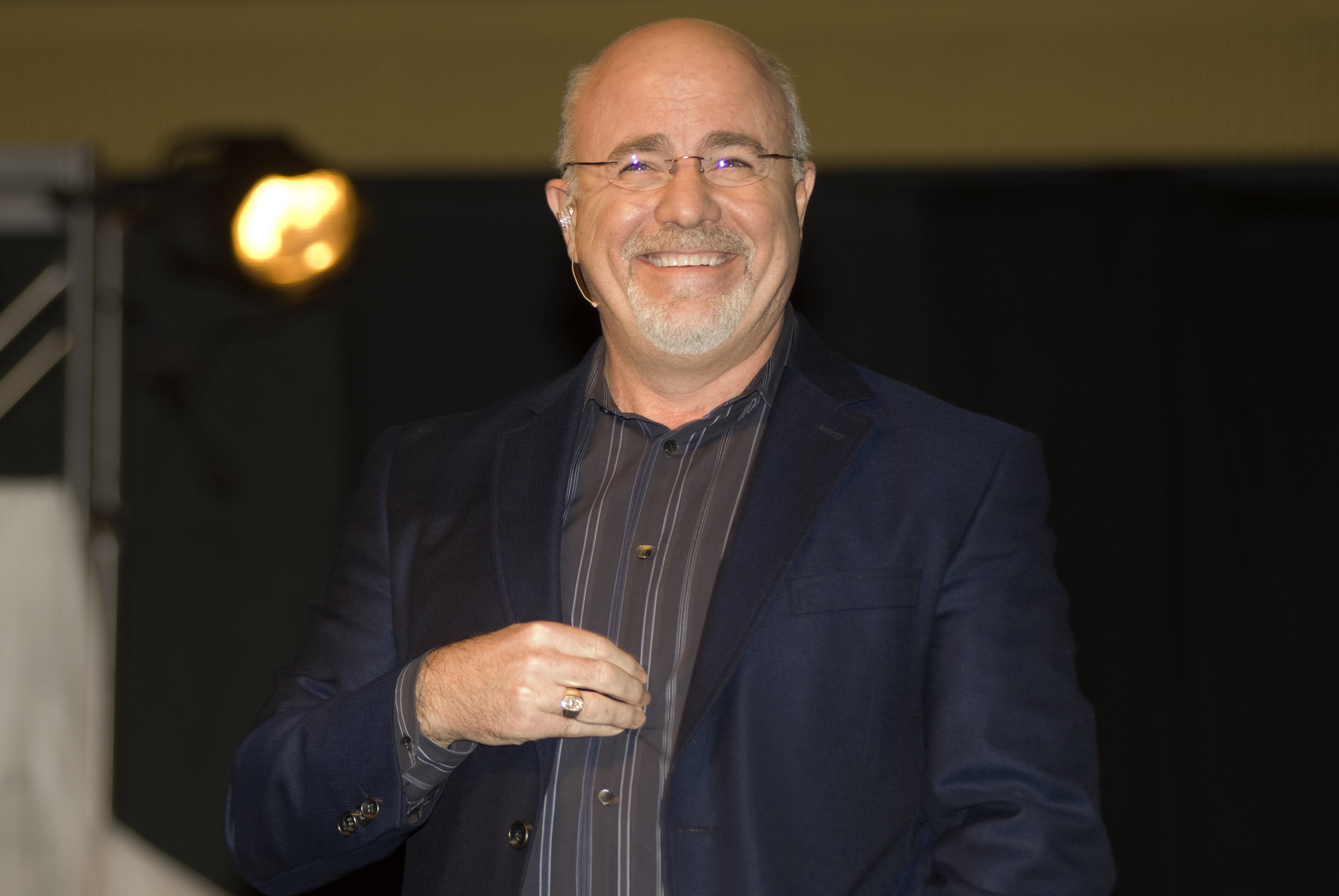
On a December 4 episode of The Dave Ramsey Show, a caller named Michael, 27, sought help after falling behind on nearly all his bills. Raising his 17-year-old brother for four years while working as a door-to-door roofing salesman, he’d accumulated $35,000 in debt from a car lease, credit cards, and charge-offs. His commission-based income ranged from $3,000 to $3,500 monthly during the slow season, barely covering his $850 rent and other expenses.
Ramsey introduced the “four walls” concept: food, utilities, shelter, and transportation must be funded first, before any debt payments. “You don’t get behind on your rent, and you don’t get behind on your food,” Ramsey instructed. Only after securing survival necessities should Michael attack debts using the smallest-to-largest method.
Ramsey provided Michael with a free premium budgeting app and encouraged adding warehouse work during roofing’s off-season. “A salesperson who knows where the money’s going to go from the sale is an excited salesperson,” Ramsey explained, predicting debt freedom by age 29 if Michael maintained focus and intensity.
Prioritization Beats Panic
Ramsey’s four-walls hierarchy is essential crisis management, establishing a decision-making framework when overwhelmed. Michael’s mistake wasn’t lack of hustle but attempting to satisfy all creditors equally while risking homelessness and hunger. That said, the underlying problem remains unaddressed: commission-only income during seasonal downturns. Teaching budget discipline to someone with structurally unstable income treats symptoms, not disease. Michael needs employment with income floors and benefits before debt acceleration makes sense. The four-walls concept buys breathing room, but lasting stability requires fixing the income foundation. Budget apps can’t solve cash flow problems caused by business model volatility.
Contact [email protected] for any questions or corrections.
Austin Smith is a financial publisher with over two decades of experience as an investor, analyst, and advisor. He covers stocks, ETFs, Artificial intelligence and personal finance for 24/7 Wall St. Previously, he spent over a decade at The Motley Fool as a senior editor for Fool.com, portfolio advisor for Millionacres, and launched The Ascent to help reader take control of their personal finances.
His work has been featured on Fool.com, NPR, CNBC, USA Today, Yahoo Finance, MSN, AOL, Marketwatch, and many other publications. He is as an advisor to private companies, and co-hosts The AI Investor Podcast with Eric Bleeker.
When not looking for investment opportunities, he can be found skiing, running, or playing soccer with his children. Learn more about Austin's investment approach here.