150 Million Americans Could Soon Get Another Stimulus Check. Will You Get One?
It’s hardly a secret that many Americans today are struggling financially. Inflation has been wreaking havoc on a lot of people’s finances since 2021. And while the Consumer Price Index was only up 3% in September, it’s important to…

This post may contain links from our sponsors and affiliates, and Flywheel Publishing may receive compensation for actions taken through them.

It’s hardly a secret that many Americans today are struggling financially.
Inflation has been wreaking havoc on a lot of people’s finances since 2021. And while the Consumer Price Index was only up 3% in September, it’s important to remember that inflation is cumulative.
Put another way, that 3% increase in September is on top of the many increases consumers have been dealing with for months on end.
Tariffs aren’t helping matters, either. In fact, they only seem to be making matters worse by driving costs up for retailers who then have to charge consumers higher prices.
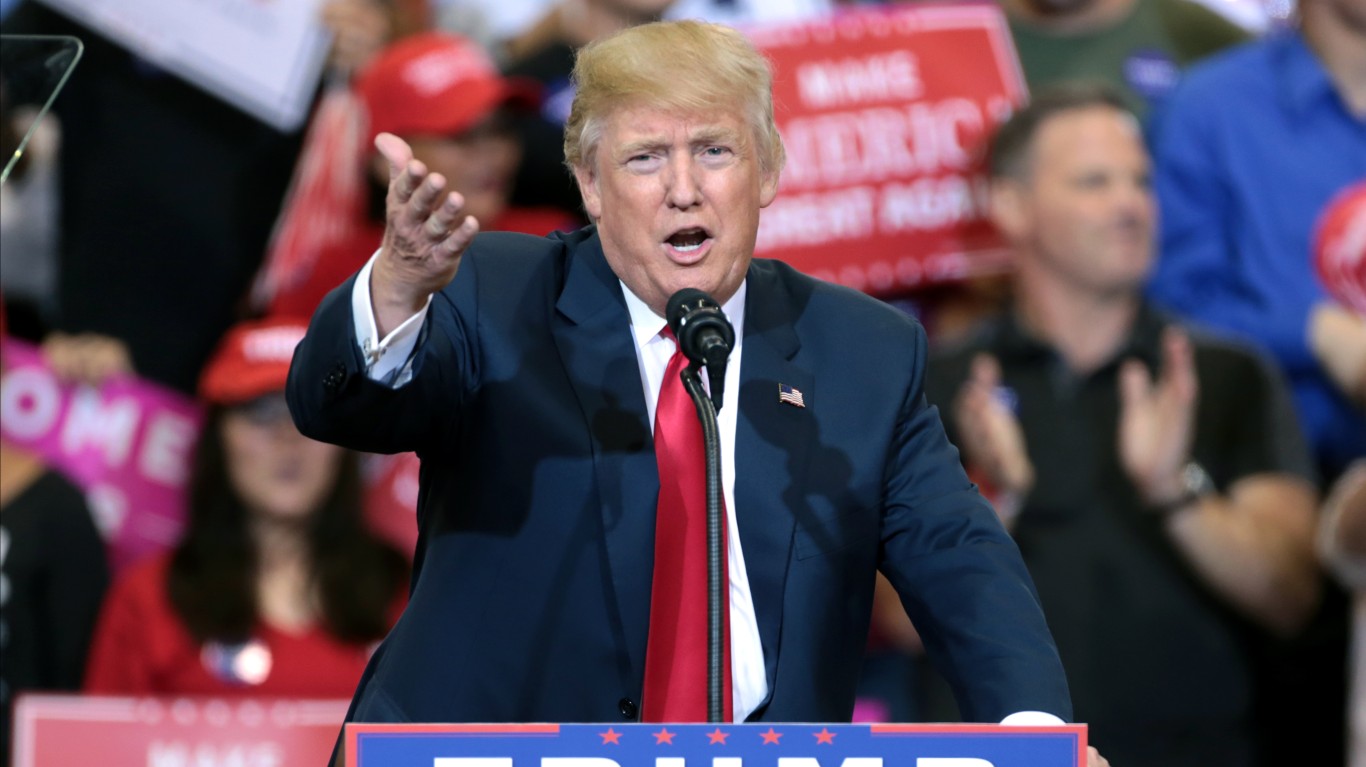
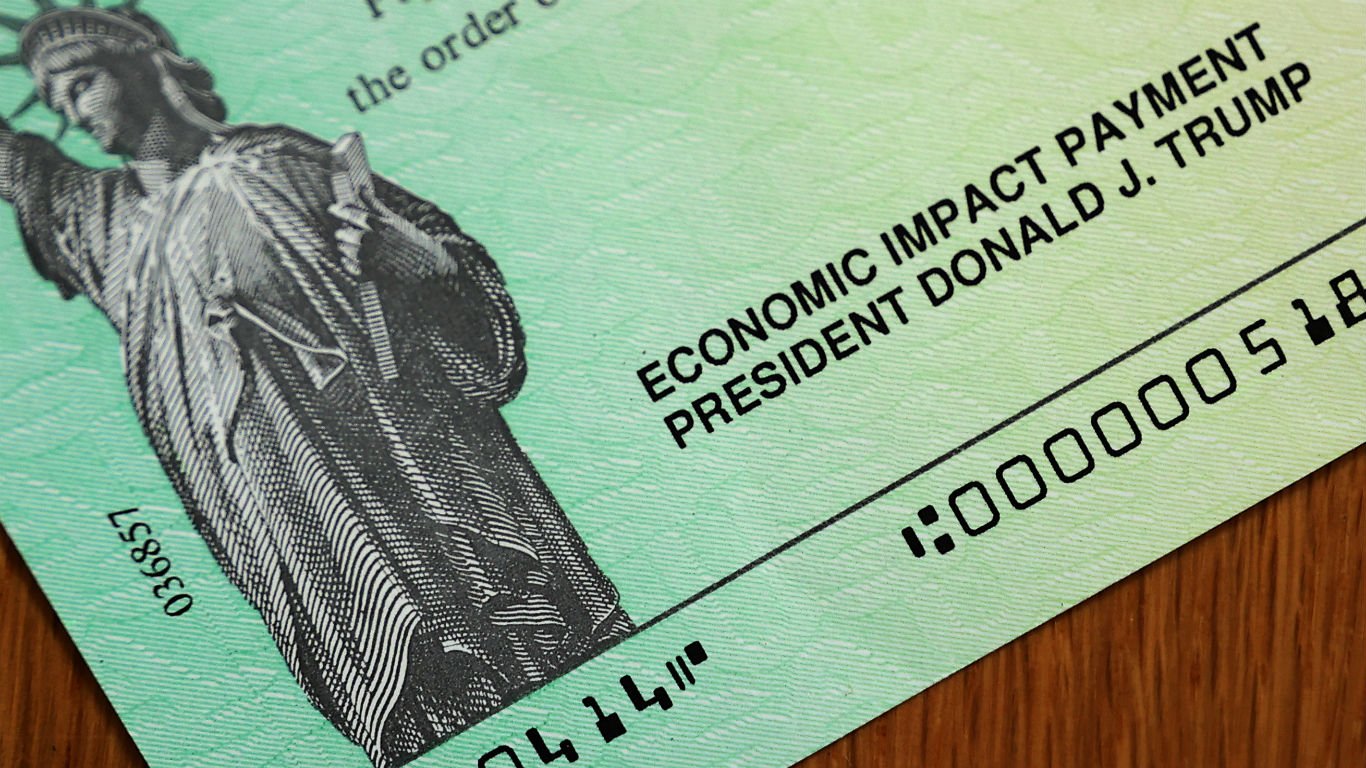
President Trump is aware that many Americans are struggling to afford their bills these days. To that end, he’s floated the idea of a tariff rebate check that could be similar to the stimulus checks Americans have received in the past.
Here’s what you need to know about Trump’s stimulus proposal — and whether you can expect to receive a check anytime soon.
What a near-term stimulus check might look like
In 2021, Americans were eligible for $1,400 stimulus checks under the American Rescue Plan. This time around, President Trump is suggesting sending out a $2,000 tariff rebate. Whether the U.S. government can afford that, however, is a different question.
The Trump administration has collected more than $220 billion in tariff revenue to date, according to CNN. However, more than 163 million Americans filed a tax return in 2024. If we do the math, it would cost the government about $326 billion to send $2,000 stimulus checks to the public, which means the money would need to come from somewhere else.
Of course, it’s not a given that every American would qualify for a tariff rebate check. During previous stimulus rounds, higher earners were excluded from receiving money.
But even after excluding higher earners, CNN says an estimated 150 million Americans would qualify for Trump’s $2,000 rebate. That would bring the cost to about $300,000 billion, which is still beyond the tariff revenue received so far.
Will Congress support another stimulus round?
President Trump does not have the power to issue a round of tariff rebate checks without approval from Congress. But whether lawmakers give him the green light is questionable.
In the past, stimulus checks have been used during periods of economic decline. During the pandemic, for example, unemployment rose to record highs, so it didn’t take much for lawmakers to approve stimulus funding to boost the economy and pull it out of its slump.
Today’s economic conditions are very different. While the unemployment rate has been creeping upward, it’s still low, relatively speaking. And while many consumers are struggling financially, the economy is not in a recession.
For this reason, lawmakers may not be so quick to write rebate checks to millions of Americans — at least not yet. So it’s probably too soon to start counting on a stimulus check for 2025, or even beyond.
Of course, if economic conditions worsen, stimulus checks may end up on the table. In the near term, it’s best not to count on one, but rather, take steps to improve your financial situation. That could mean reassessing your spending and turning to the gig economy for an income boost.
Contact [email protected] for any questions or corrections.
Maurie Backman has more than a decade of experience writing about financial topics, including retirement, investing, Social Security, and real estate. Her work has appeared on sites that include The Motley Fool, USA Today, U.S. News & World Report, and Kiplinger.
Prior to becoming a full-time financial writer, Maurie worked in the financial industry trading distressed debt. She then changed course and spent a few years designing electronic toys. After a stint in content marketing and UX, she shifted back into writing and has since covered everything from the housing market to estate planning to Medicare.
When she's not busy writing, Maurie can be found hiking, walking her dogs, driving her kids to their various sports practices and games, and curling up with a good book. She cooks on occasion and bakes way too often.