Steve Jobs-Signed Apple Check No. 1 Sells for $2.4 Million at Auction
A Steve Jobs-signed check from Apple’s earliest days just sold for $2.4 million at auction, more than doubling pre-sale estimates. The check, made out to Crampton, Remke & Miller for $175 on July 3, 1976, represents payment to the electronics…

This post may contain links from our sponsors and affiliates, and Flywheel Publishing may receive compensation for actions taken through them.
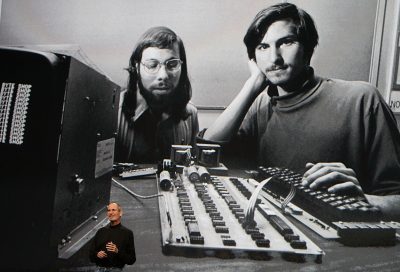
A Steve Jobs-signed check from Apple’s earliest days just sold for $2.4 million at auction, more than doubling pre-sale estimates. The check, made out to Crampton, Remke & Miller for $175 on July 3, 1976, represents payment to the electronics parts supplier that helped build Apple’s first computers. It’s signed by Jobs, co-founder Steve Wozniak, and original partner Ronald Wayne.
The auction, conducted by RR Auction, featured multiple early Apple artifacts that collectively crossed $8 million in sales. An Apple-1 prototype board fetched $2.85 million, while the Jobs-signed check became the second-highest item. These prices reflect intense collector demand for tangible pieces of Apple’s origin story.
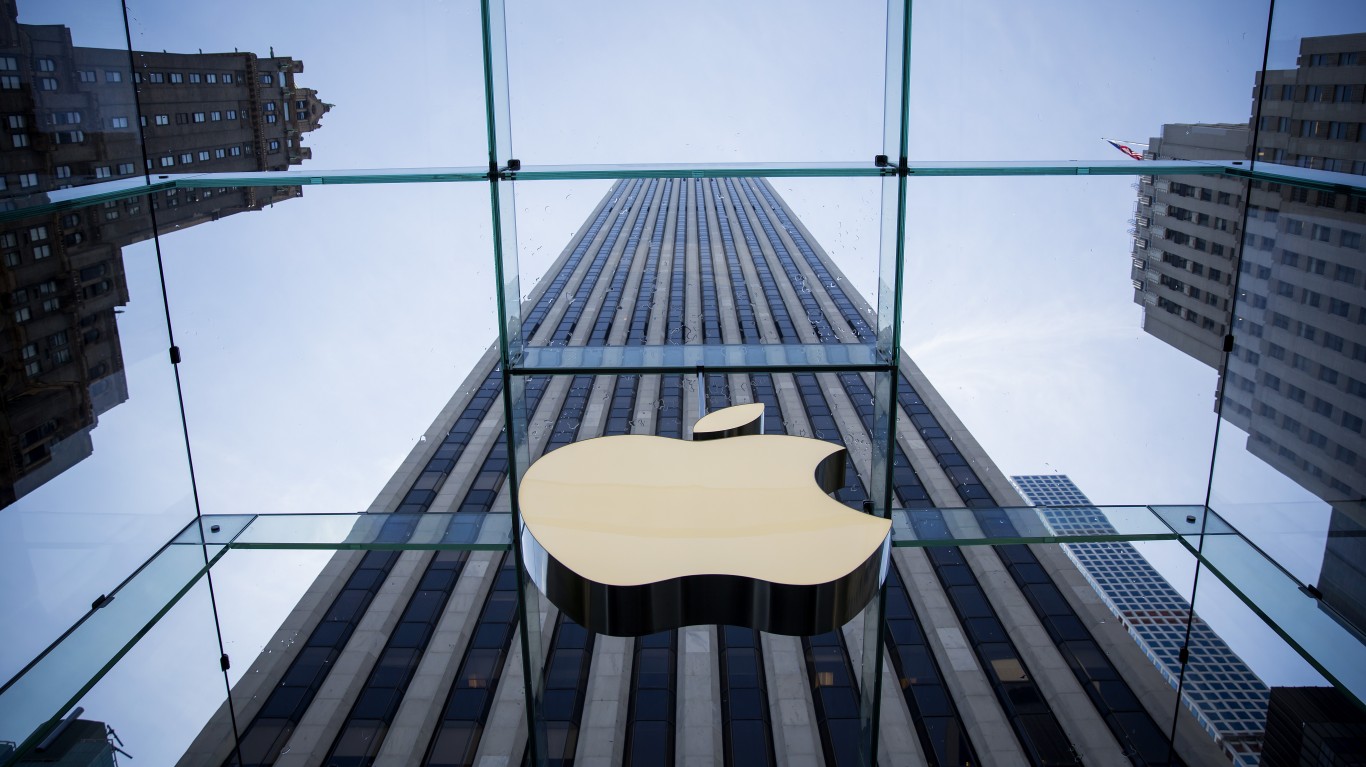
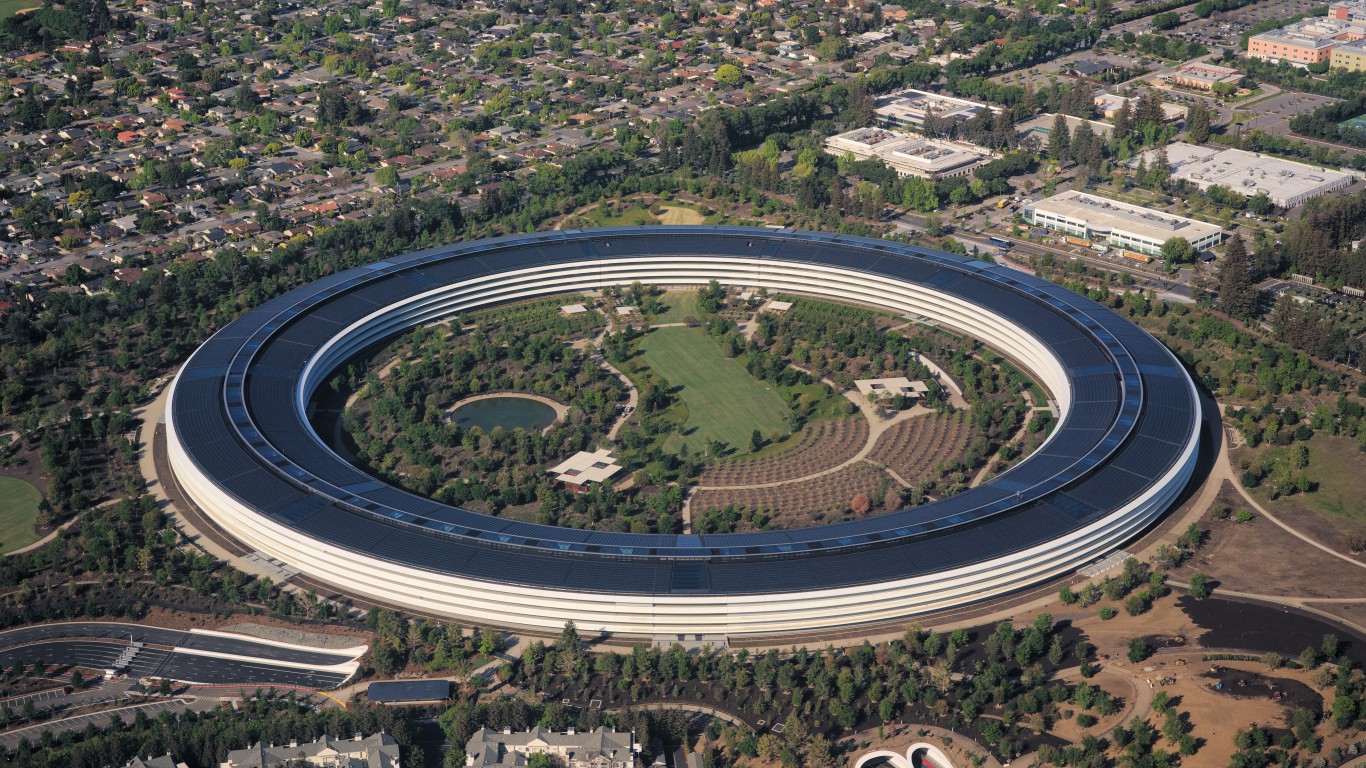
The contrast between that $175 check and Apple’s current reality is staggering. Apple (NASDAQ:AAPL | AAPL Price Prediction) now commands a $3.81 trillion market cap, making it the world’s most valuable publicly traded company. The stock trades at $259 after a 10% gain over the past year, though it’s down 5% year-to-date following a recent pullback from its $289 52-week high.
The company just reported record quarterly revenue of $143.8 billion, up 16% year-over-year, with earnings per share of $2.84 beating analyst estimates. iPhone sales hit $85.27 billion while Services revenue reached $30.01 billion. Apple returned $32 billion to shareholders in the quarter and maintains 2.5 billion active devices worldwide.
Wall Street remains bullish. JPMorgan and Morgan Stanley both hold $315 price targets on the stock, citing stronger-than-expected iPhone 17 demand. The company’s 27% profit margin and 35% operating margin demonstrate the pricing power Jobs envisioned when he signed that check 50 years ago. From a $175 parts payment to a $3.81 trillion empire, the trajectory validates why collectors pay millions for these founding documents.
Contact [email protected] for any questions or corrections.
I write to invest, and I invest to spend more time with nature. Usually all at the same time. I'm a retired equities guy who saw a recession or four, and lives for what comes out of the other side of them.
I cover stocks across the board cause even though I feel like I've seen it all, there's always another way out there to make, and lose money. I want to help you do more of the former, and none of the latter. Making money with friends is my oxygen.
Let's go!