Somehow SIVR Delivered 139% Returns And Saved Investors 40% in Fees
When inflation fears rise or equity markets stumble, investors often reach for silver. abrdn Silver ETF Trust (NYSE:SIVR) offers a straightforward way to hold physical silver without storage hassles or rollover costs. The question is whether this ETF’s cost advantage…

This post may contain links from our sponsors and affiliates, and Flywheel Publishing may receive compensation for actions taken through them.
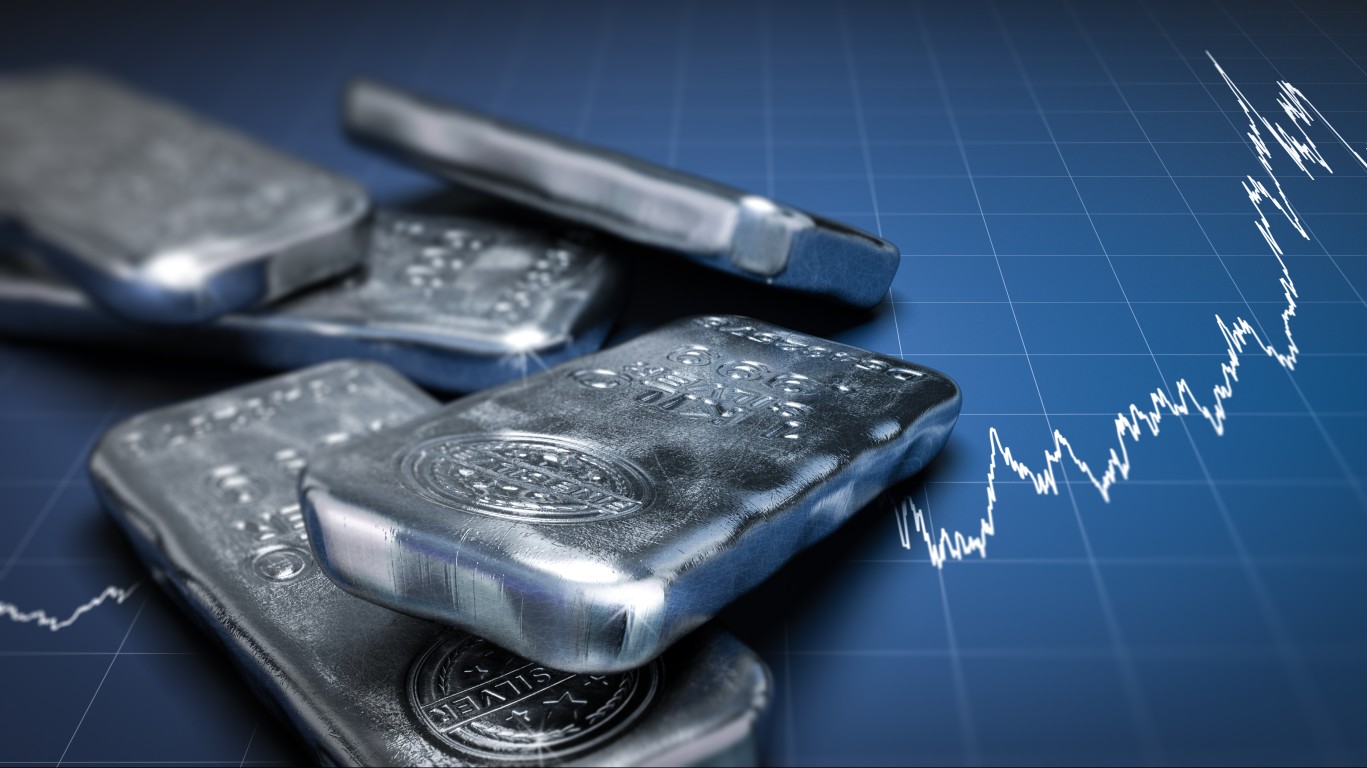
When inflation fears rise or equity markets stumble, investors often reach for silver. abrdn Silver ETF Trust (NYSE:SIVR) offers a straightforward way to hold physical silver without storage hassles or rollover costs. The question is whether this ETF’s cost advantage and structure make it a better portfolio hedge than the larger, more liquid competitor.
The Role It Plays
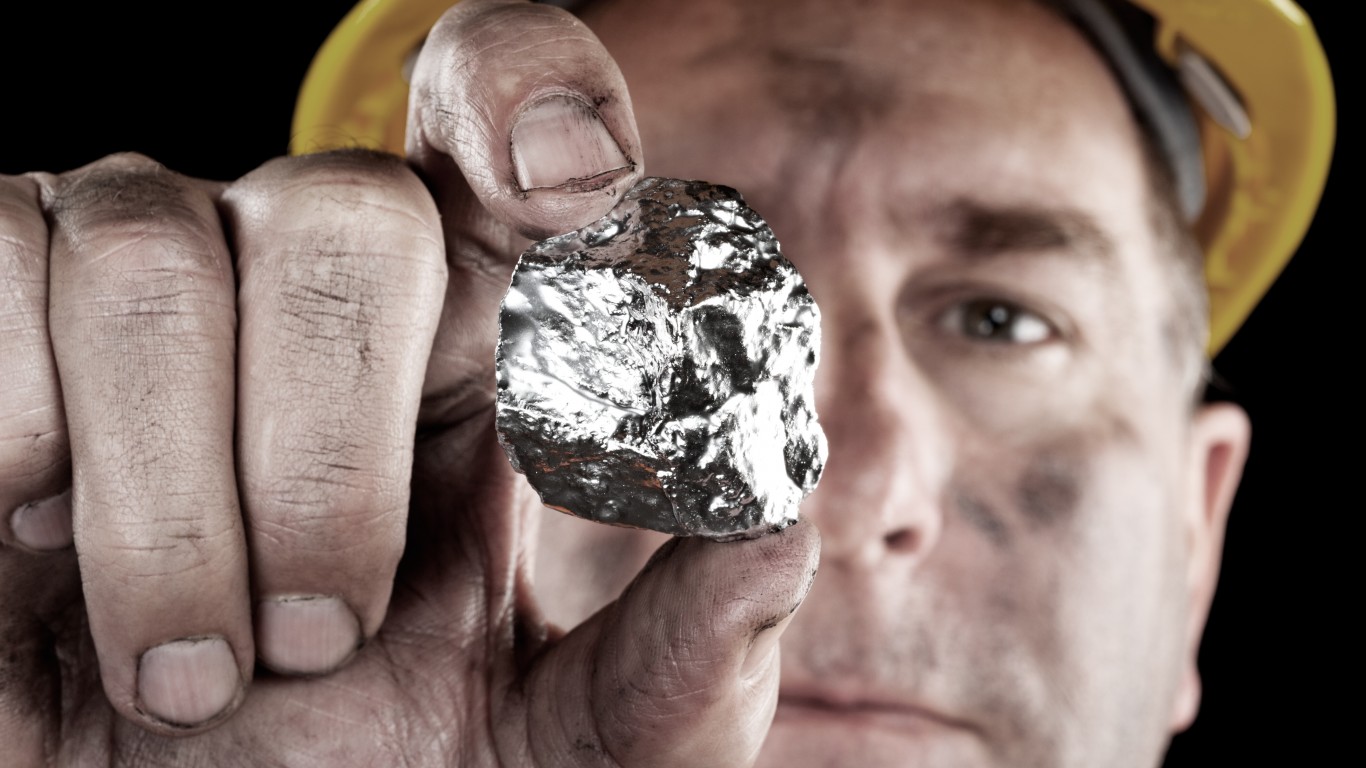
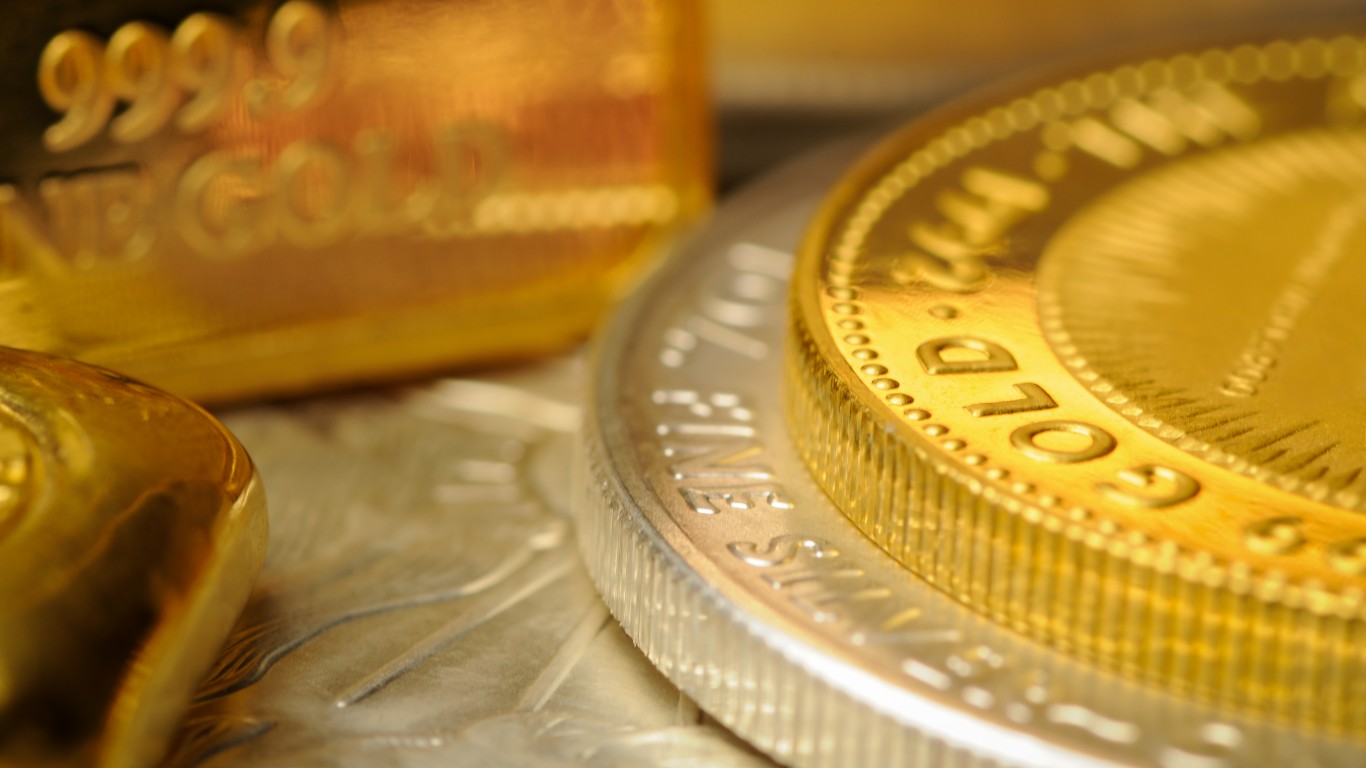
SIVR provides direct exposure to silver’s spot price movements. The fund holds physical bullion in vaults, meaning returns track the metal itself rather than mining companies or derivatives. This makes it useful as a portfolio diversifier, an inflation hedge during currency devaluation, or a tactical position when investors expect dollar weakness or industrial demand growth.
Over the past year, SIVR delivered a 139% gain as silver benefited from converging demand drivers. Industrial applications in electronics and solar panels created baseline buying pressure, while currency uncertainty pushed investors toward precious metals as defensive positions. This dual role—industrial commodity and safe-haven asset—amplified price movements and lifted the ETF alongside the physical metal.
How It Stacks Up
SIVR’s main advantage is cost efficiency. The fund’s 0.30% expense ratio undercuts the category leader by 40%, saving long-term holders $20 annually on every $10,000 invested. That difference compounds over time, making SIVR attractive for investors prioritizing fee minimization in their commodity allocation.
Performance between the two funds has been nearly identical, as both track physical silver holdings. The meaningful difference is scale and liquidity. The category leader, iShares Silver Trust (NYSEARCA:SLV), holds five times more assets, which translates to tighter bid-ask spreads and smoother execution during volatile trading sessions. For buy-and-hold investors, this gap matters less than the ongoing fee savings.
The Tradeoffs
Silver’s volatile nature became evident in early February 2026, when the ETF dropped 7% in a single week. These sharp reversals are inherent to precious metals and create drawdowns that exceed typical equity swings, requiring investors to maintain conviction through rapid price movements in either direction.
Liquidity is another consideration. SIVR’s smaller asset base means lower trading volumes, which can widen spreads during volatile sessions. For buy-and-hold investors, this matters less. For active traders, it’s a real cost.
Unlike dividend-paying stocks or bonds, SIVR generates no income. Returns depend entirely on price appreciation, which means long stretches of flat or negative performance are possible. SIVR works best as a small, tactical allocation for investors seeking commodity diversification or inflation protection, not as a core holding. The cost savings are real, but the volatility and lack of income require discipline.
Contact [email protected] for any questions or corrections.
Austin Smith is a financial publisher with over two decades of experience as an investor, analyst, and advisor. He covers stocks, ETFs, Artificial intelligence and personal finance for 24/7 Wall St. Previously, he spent over a decade at The Motley Fool as a senior editor for Fool.com, portfolio advisor for Millionacres, and launched The Ascent to help reader take control of their personal finances.
His work has been featured on Fool.com, NPR, CNBC, USA Today, Yahoo Finance, MSN, AOL, Marketwatch, and many other publications. He is as an advisor to private companies, and co-hosts The AI Investor Podcast with Eric Bleeker.
When not looking for investment opportunities, he can be found skiing, running, or playing soccer with his children. Learn more about Austin's investment approach here.