




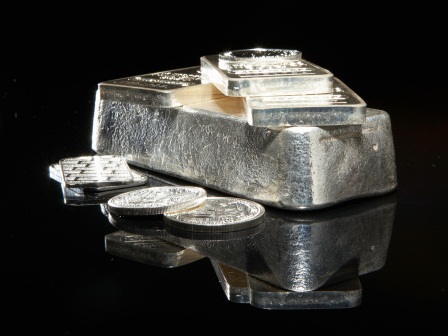
The bullish run on silver that started in 2025 reached as high as $120 in January of 2026 before a steep drop back to the high $60-$70 level. Some called it a bubble. Others have gone back to watching stocks. However, a sizable number of people are still bullish. There are several reasons why these opinions are justified, why they think the current level (mid-$80 range at the time of this writing) is a buying opportunity, and why silver mining stocks, such as Hecla Mining (NYSE: HL), Pan American Silver (NYSE: PAAS), and Coeur Mining (NYSE: CDE) may all bear watching.
Backwardation

When commodities like metals or oil have spot prices worth more than future prices, their markets are described as being in backwardation.
Although silver futures prices took a plunge, the demand for physical silver still remains at an alltime high. The differential between futures prices and spot prices opened further, increasing the backwardation ratio. While futures prices on the COMEX and LBMA were in the $60-$80 range, the Shanghai Metals Exchange was still offering spot physical silver north of $90-$110 per oz. In fact, the day after the collapse of gold and silver prices, the Shenzhen Shuibei Gold Market was selling spot silver at $136.80 while buying silver at $91.60, a huge arbitrage opportunity.
Experienced traders noted that large banks like JP Morgan Chase, UBS and Deutsche Bank, among others, had hundreds of billions of dollars’ worth of short positions that were crushing their balance sheets while the higher silver prices spiraled up. Many suspected that the price drop was manipulation engineered by the futures exchanges via collusion to help the banks get out of their short positions before the next price surge.
For example, CME Group triggered forced liquidations of hundreds of silver futures contracts in January by hiking margin requirements twice within a 4-day period.
Rock Beats Paper

Unlike with the popular children’s game of rock, paper, scissors, the physical silver market (rocK) will apparently beat futures (paper).
October 2025’s LBMA silver backwardation was the shot across the bow, signaling the burgeoning loss of confidence in the precious metals futures markets, especially for gold and silver. Silver is entering its sixth consecutive year of production shortfalls vs. demand, and the dam is breaking. Some analysts have even stated that the futures market’s days are numbered, due to the many instances of collusion with large banks, gross overstatements of actual reserves to settle orders, and blatant market manipulation on the part of LBMA, COMEX, and SHFE.
Another sign to note: while silver futures prices were down nearly 50%, miners only pulled back 20-25%. A number of analysts thought this was indicative of classic market manipulation price action designed to force the less informed buyers out of the market.
Looming Delivery Defaults

Both the SHFE and COMEX are in high risk of March silver default deliveries against futures contracts.
The futures markets are in a tenuous position for February and March as delivery contracts will be due and insufficient inventories are indicating high default risks:
- The Shanghai Futures Exchange shed 31.3 metric tons of silver inventory on February 8th, leaving it with 318.54 metric tons left. Concurrently, billionaire trader Bian Ximing has a 450 metric ton naked short against the total SHFE 318.54 metric ton inventory. A large chunk of SHFE’s depletion was due to its bailing out the LBMA in October, 2025. It is an inventory shortfall that has yet to be replaced.
- The COMEX has 366 million ounces in open interest silver contracts scheduled for March delivery. COMEX does not have that amount in inventory – it only has 102 million oz. available to settle deliveries.
Why Mining Stocks Over ETFs
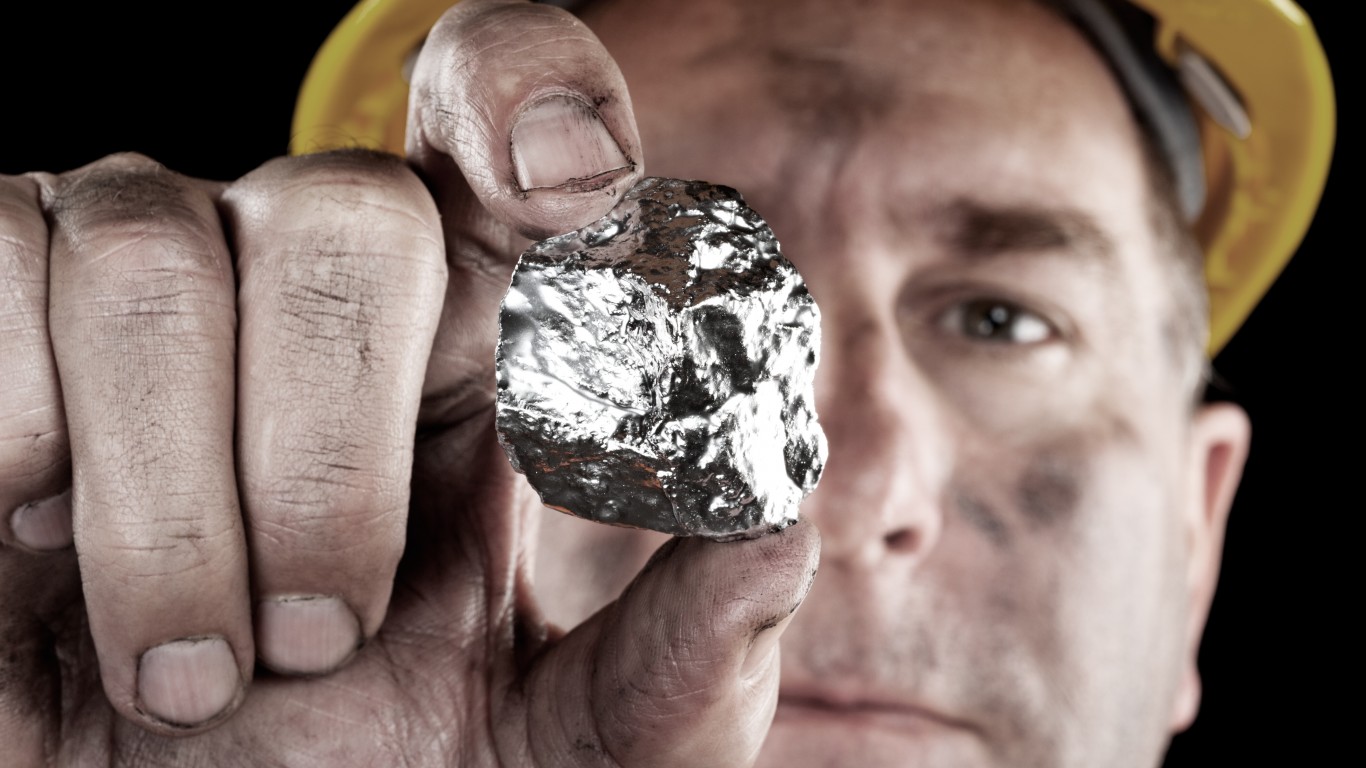
Increasing physical silver scarcity makes silver mining stocks a safer bet than ETFs going forward.
While many ETFs, such as iShares Silver Trust (NYSE: SLV) hold silver bullion, the increasing scarcity of silver bullion may eventually cause them to shut down or suspend activity to prevent investors from overpaying. This has already occurred with a number of Indian funds as well as the UBS SDIC Silver Futures Fund in China.
Silver mining stocks will still be in demand, since they are the ultimate source from which silver bullion is derived. Those stocks that own refinery operations will probably also be viable for the foreseeable future. This is why stocks like PAAS, CDE, and HL will likely continue to rise as silver’s bull run resumes.
Timing For the Next Bull Run

Due to large physical silver buying coming from China, many believe that the window of opportunity for buying silver before the next bull run will end within a week after Chinese New Year on February 17th.
Some analysts foresee silver’s price regaining back to over $100, with $120 as the next level of resistance from a technical analytical perspective. If silver cracks $120, many believe it can continue to $200 or even higher.
Due to Chinese New Year and Ramadan both falling on February 17th of this year, the consensus holds that the next wave of heavy silver buying will likely come a few days after the 17th, perhaps holding off as long as the start of the following week. After that, the roller coaster will likely continue.












 Top Gaining Stocks
 Top Losing Stocks