Forget Individual Cloud Stocks: A Single ETF Captures the Entire Boom
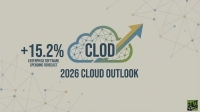
Cloud computing ETFs have had a rough start to 2026, and Themes Cloud Computing ETF (NYSEARCA:CLOD) is no exception. The fund is down nearly 19% year-to-date through the end of February, with more than 15% of that loss coming in…

This post may contain links from our sponsors and affiliates, and Flywheel Publishing may receive compensation for actions taken through them.

Cloud computing ETFs have had a rough start to 2026, and Themes Cloud Computing ETF (NYSEARCA:CLOD) is no exception. The fund is down nearly 19% year-to-date through the end of February, with more than 15% of that loss coming in February alone. That kind of drawdown raises a fair question: is the sector-wide pressure a temporary reset, or a sign that the cloud trade has further to fall?
CLOD launched in December 2023 and has limited history of its own. Comparable cloud ETFs tell a consistent story: WisdomTree Cloud Computing Fund (NASDAQ:WCLD) is off roughly 22% year-to-date, and First Trust Cloud Computing ETF (NASDAQ:SKYY) has also declined sharply over the same stretch. The sector-wide pressure is real, and CLOD is tracking it closely.
The Macro Factor That Matters Most: Real Interest Rates
Cloud and software companies are long-duration growth assets built on future earnings, which means rising real interest rates compress their valuations more than almost any other equity category. When the 10-year Treasury yield rises or inflation expectations stay elevated, the present value of those future cash flows shrinks, and share prices follow. The reverse is also true: when rates fall, growth stocks tend to re-rate quickly.
The Federal Reserve’s rate path is the single most important external variable for CLOD over the next 12 months. Investors can monitor this through the Fed’s Summary of Economic Projections, updated at each FOMC meeting, which includes the “dot plot” showing where policymakers expect rates to land. The Fed’s meeting calendar is publicly available and worth bookmarking. Any meaningful shift toward rate cuts would likely provide a tailwind to the fund’s underlying holdings.
The Micro Factor: Holdings Concentration in Unprofitable Mid-Cap SaaS
Unlike broader tech ETFs anchored to mega-caps like Microsoft or Amazon, CLOD’s comparable proxy WCLD holds 65-plus positions with no single name exceeding roughly 2.8%. That equal-weight tilt toward smaller, high-growth SaaS companies amplifies both upside and downside. Many of these companies are not yet consistently profitable, making them acutely sensitive to the rate environment and any deterioration in enterprise software spending.
The fund’s issuer page and quarterly holdings updates are the right place to monitor whether the portfolio is shifting toward more profitable names or doubling down on early-stage cloud plays. That composition shift matters more than any single stock move.
What to Watch Over the Next 12 Months
Historically, growth-heavy mid-cap SaaS portfolios have re-rated when the Fed has signaled rate cuts. The fund’s holdings composition, particularly any drift away from smaller high-growth names, is a key data point analysts have cited when assessing how differentiated CLOD’s exposure remains relative to larger cloud ETFs.
Contact [email protected] for any questions or corrections.
Austin Smith is a financial publisher with over two decades of experience as an investor, analyst, and advisor. He covers stocks, ETFs, Artificial intelligence and personal finance for 24/7 Wall St. Previously, he spent over a decade at The Motley Fool as a senior editor for Fool.com, portfolio advisor for Millionacres, and launched The Ascent to help reader take control of their personal finances.
His work has been featured on Fool.com, NPR, CNBC, USA Today, Yahoo Finance, MSN, AOL, Marketwatch, and many other publications. He is as an advisor to private companies, and co-hosts The AI Investor Podcast with Eric Bleeker.
When not looking for investment opportunities, he can be found skiing, running, or playing soccer with his children. Learn more about Austin's investment approach here.