The 2 Signals EWW Investors Must Watch Before the USMCA Review Hits
EWW is up 54% over the past year, but the past month tells a more complicated story. iShares MSCI Mexico ETF (NYSEARCA:EWW) is powered by Banxico rate cuts and a strengthening peso. Yet the fund has pulled back 7% over…

This post may contain links from our sponsors and affiliates, and Flywheel Publishing may receive compensation for actions taken through them.

EWW is up 54% over the past year, but the past month tells a more complicated story. iShares MSCI Mexico ETF (NYSEARCA:EWW) is powered by Banxico rate cuts and a strengthening peso. Yet the fund has pulled back 7% over the past month, and the VIX sits at nearly 25. That tension between a strong long-term thesis and near-term turbulence is the key dynamic shaping EWW’s outlook.
EWW tracks the MSCI Mexico IMI 25/50 Index and holds $1.9 billion in assets, making it the dominant vehicle for U.S. investors seeking Mexico exposure. The fund’s sector mix reflects Mexico’s economic structure — consumer staples at 26% and materials at 24% together anchor the fund in the domestic consumption and commodity industries that drive Mexican GDP. At an expense ratio of 0.50%, it is a cost-efficient way to access that exposure.
The Macro Factor: USMCA Trade Policy Is the Engine and the Risk
Mexico’s equity market does not trade in isolation from Washington. The country’s economic relationship with the United States, governed by the United States-Mexico-Canada Agreement (USMCA), is the single biggest external variable for EWW over the next 12 months. When trade flows are stable, Mexican exporters, industrials, and materials companies see reliable demand. When that relationship is stressed, the fund reacts quickly.
The clearest recent proof came in early 2025. “US President Donald Trump postponed new tariffs on Mexico for a month after reaching an agreement on border troops,” and EWW rebounded sharply even as the broader U.S. market fell. The fund’s industrials sector, which makes up 14% of the portfolio, is particularly sensitive to cross-border manufacturing activity. A tariff escalation would hit those holdings directly, while a stable or expanding USMCA framework supports them.
The key signal to track is the Office of the U.S. Trade Representative’s USMCA review calendar. The agreement’s formal six-year review is scheduled for 2026, and any public statements from that process will be the clearest leading indicator for EWW. The USTR publishes updates at ustr.gov, and major policy shifts typically accompany quarterly USMCA Joint Committee meetings.
The Micro Factor: Top Holdings Concentration Amplifies Every Move
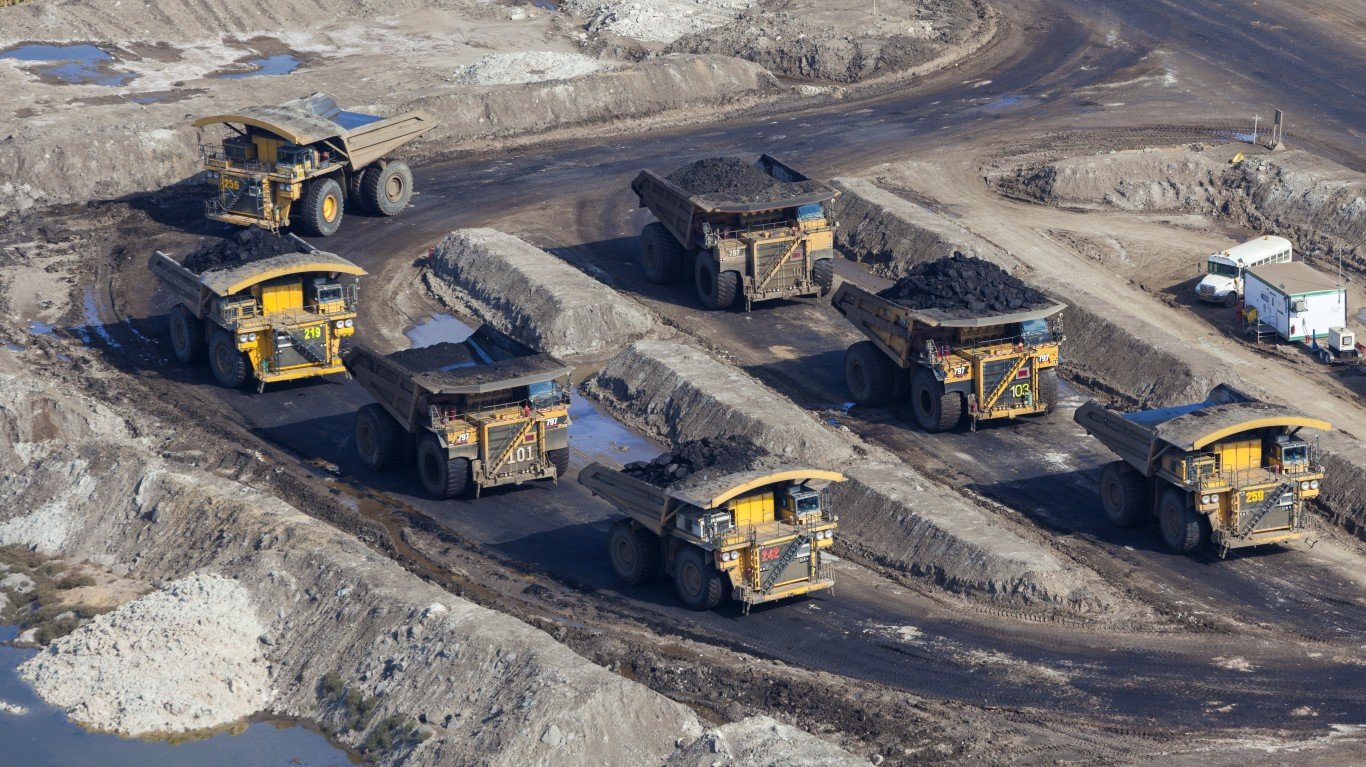
EWW’s performance is not evenly distributed across Mexico’s economy. The fund’s top holding, Grupo Mexico, carries a 12% weight, making it a copper and mining proxy sitting at the top of a broad equity ETF. That concentration means a single earnings miss or regulatory action against Grupo Mexico can move the whole fund meaningfully.
The fund’s second and third largest holdings represent very different risk profiles. Grupo Financiero Banorte, at 9%, is a rate-sensitive financial whose margins move with Banxico’s decisions. America Movil, at 7%, is a telecom driven largely by domestic revenue dynamics. Grupo Mexico’s revenues, meanwhile, are tied to global copper prices driven by Chinese industrial demand, not just USMCA dynamics. These are very different risk factors layered into what looks like a single country bet.
The peso adds another layer. The USD/MXN rate closed at 17.72. Since EWW trades in U.S. dollars but holds Mexican-peso-denominated assets, peso weakness directly reduces the fund’s NAV in dollar terms even if Mexican stocks hold steady. The peso has been a meaningful tailwind — analysts at Sahm Capital noted that “the Mexican peso appreciated more than 14% against the U.S. dollar, its best performance since 1993.” its best performance since 1993 — but that tailwind depends on Banxico holding rates at levels that keep the USD/MXN near its current level. Whether that trend continues depends heavily on Banxico’s rate path relative to the Fed.
Monitor iShares’ monthly holdings file at BlackRock’s EWW fact sheet for weight shifts in the top five names, and watch Grupo Mexico’s quarterly results as a real-time read on the fund’s largest position.
What to Watch Over the Next 12 Months
If the USMCA review proceeds without tariff escalation and Banxico holds rates at a level that keeps the peso stable, EWW’s top holdings should continue benefiting from cross-border trade flows. But if Grupo Mexico’s copper revenues weaken or Banxico cuts rates faster than the market expects, the fund’s concentration in those two names could reverse a meaningful portion of the gains built over the past year.
Contact [email protected] for any questions or corrections.
Austin Smith is a financial publisher with over two decades of experience as an investor, analyst, and advisor. He covers stocks, ETFs, Artificial intelligence and personal finance for 24/7 Wall St. Previously, he spent over a decade at The Motley Fool as a senior editor for Fool.com, portfolio advisor for Millionacres, and launched The Ascent to help reader take control of their personal finances.
His work has been featured on Fool.com, NPR, CNBC, USA Today, Yahoo Finance, MSN, AOL, Marketwatch, and many other publications. He is as an advisor to private companies, and co-hosts The AI Investor Podcast with Eric Bleeker.
When not looking for investment opportunities, he can be found skiing, running, or playing soccer with his children. Learn more about Austin's investment approach here.