




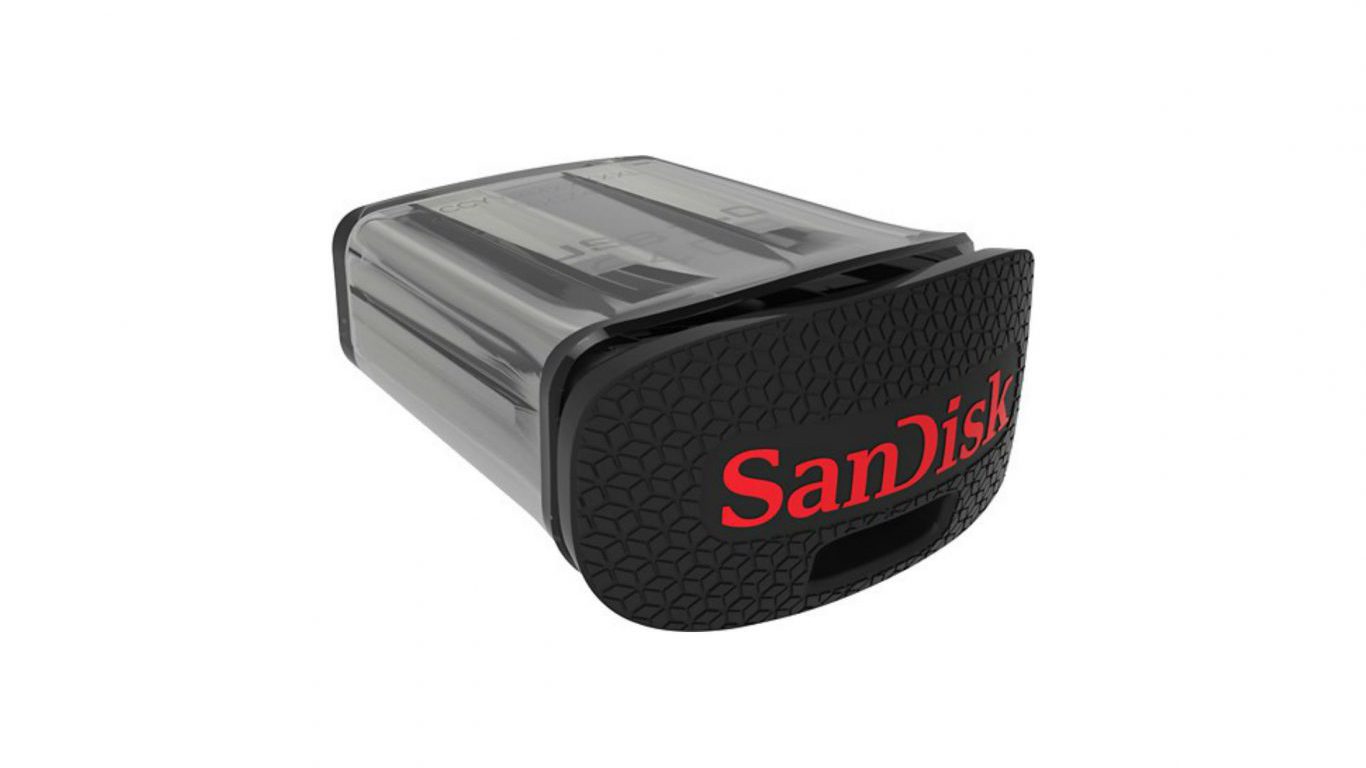
Sandisk (NASDAQ:SNDK | SNDK Price Prediction) stock is down roughly 6% in Wednesday morning trading after the company announced a $1 billion strategic equity investment in Nanya Technology, a Taiwanese memory chip manufacturer. The move is designed to secure long-term memory sourcing, but investors are split on whether that logic justifies the price tag.
SNDK shares closed Tuesday at $702.48, and the stock has been on a remarkable run heading into today. Year-to-date, shares are up nearly 196%, and the stock has gained roughly 1,226% over the past year. Still, a 6% single-session drop feels jarring even if the underlying business remains strong.
A $1 Billion Bet on Supply Security
The memory industry has been running tight on supply, and Sandisk is trying to get ahead of that problem. Securing long-term memory sourcing has become a strategic priority in a supply-constrained sector, and a direct equity stake in a Taiwanese manufacturer gives Sandisk a seat at the table rather than just a spot in the purchase order queue. The logic is simple: if you depend on external suppliers for the core input to your products, owning a piece of those suppliers is a form of insurance.
Sandisk has the financial capacity to make this move. Free cash flow reached $980 million in Q2 FY2026, up from negative $18 million just three quarters earlier. The company also holds $1.539 billion in cash and equivalents and achieved net cash positive status ahead of schedule. A $1 billion investment isn’t a desperate stretch; rather, it’s a deliberate allocation of a newly rebuilt balance sheet.
Bulls Buy the Dip, Bears Question the Timing
Bulls are actively buying the dip, citing the potential for strategic expansion and long-term supply security as reasons to be optimistic about the investment. Their case rests on Sandisk’s recent operational momentum. Q2 FY2026 revenue hit $3.025 billion, up 61% year over year, beating estimates by more than 12%. A company generating that kind of earnings acceleration arguably has room to invest aggressively in its supply chain.
Bears are debating whether this massive capital outlay represents an overextension of Sandisk’s resources, particularly given the short-term price pressure it is creating. The concern isn’t purely financial. Deploying $1 billion into a minority equity stake in a foreign manufacturer introduces execution risk, geopolitical exposure, and a long payback horizon. Those are real considerations for investors who bought SNDK stock for its leverage to the AI storage cycle, not for cross-border strategic partnerships.
The Backdrop Makes Today’s Decline Stand Out
This pullback arrives against a backdrop that had been turning constructive for Sandisk. A sector-wide memory shortage fueled fresh investor optimism earlier this month, with SNDK shares climbing sharply on renewed enthusiasm around supply tightness and AI-driven demand. Renewed buying interest in mid-March drew in investors who saw the supply shortage narrative as a favorable setup for the stock.
Forward guidance from the company reinforces the bull case on fundamentals. Q3 FY2026 guidance calls for revenue of $4.4 billion to $4.8 billion, with non-GAAP EPS of $12 to $14 and gross margins of 65% to 67%. That’s a sharp step up from Q2, and it reflects management’s confidence that demand from AI infrastructure builders will continue to accelerate. The datacenter segment alone grew 76% year over year in Q2, and hyperscaler qualifications are still expanding.
The analyst community remains broadly supportive. Of 20 analysts covering SNDK stock, 14 rate it Buy or Strong Buy, with no Sell ratings and a consensus target price of around $770. The Nanya announcement hasn’t changed the fundamental earnings trajectory. What it has done is introduce a new variable into a story that investors thought they understood.
Whether today’s sellers are right to be cautious or wrong to be spooked will likely come down to how Sandisk frames the strategic rationale in the weeks ahead. Management commentary clarifying the expected return profile and timeline on the Nanya stake will be the key signal investors need to reassess the deal.









 Top Gaining Stocks
 Top Losing Stocks