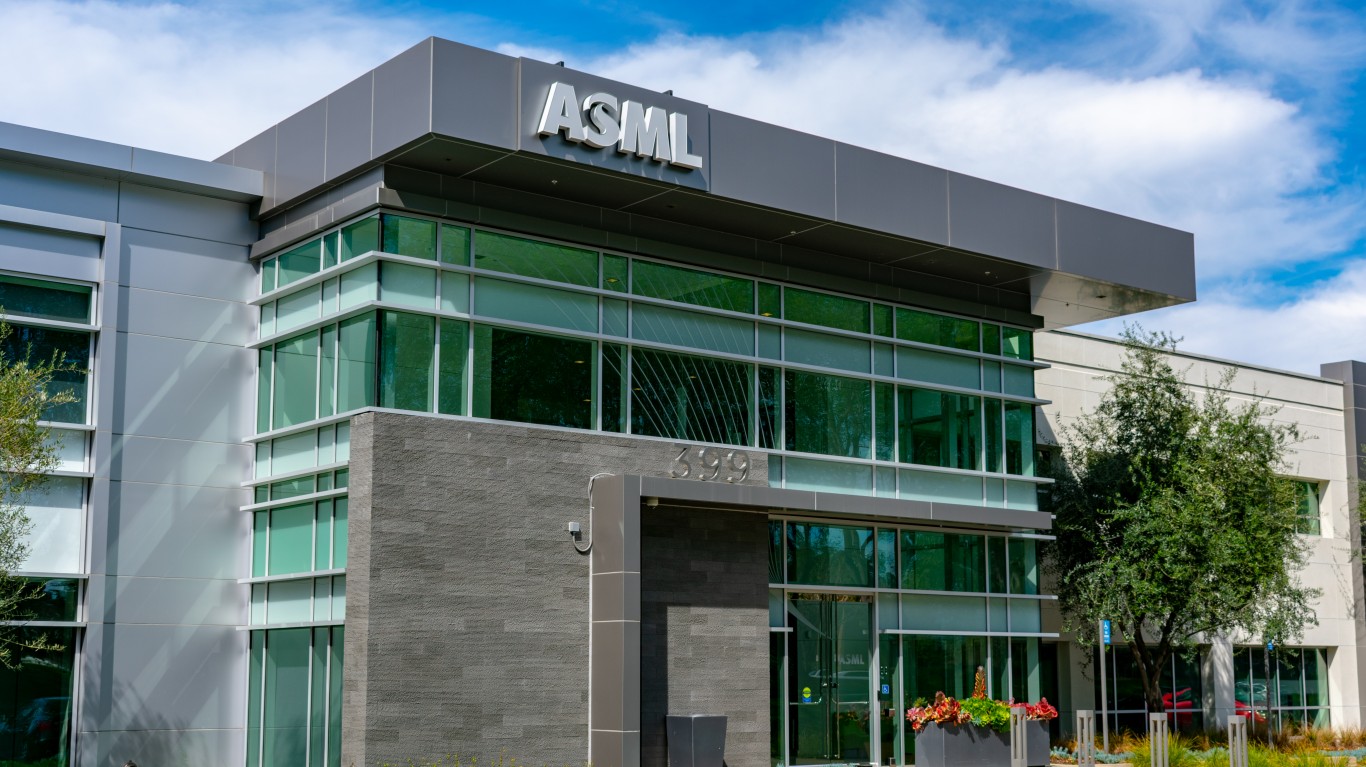
Why One Analyst Thinks ASML Is Worth $1,971
ASML Holding NV (NASDAQ:ASML | ASML Price Prediction) has had a remarkable run, gaining 91% over the past year and 16% year-to-date. The Street’s consensus price target sits at a comparatively modest $1,469.35. Bernstein is making a far bolder call.…

ASML Holding NV (NASDAQ:ASML | ASML Price Prediction) has had a remarkable run, gaining 91% over the past year and 16% year-to-date. The Street’s consensus price target sits at a comparatively modest $1,469.35.
Bernstein is making a far bolder call. The firm raised its price target on ASML to $1,971 from $1,911, maintaining an Outperform rating and naming ASML its top pick in the EU Semis sector. That target sits well above the Street consensus of $1,469.35. The question is whether ASML can realistically reach $1,971 by end of 2026.
Bernstein’s $1,971 ASML Prediction
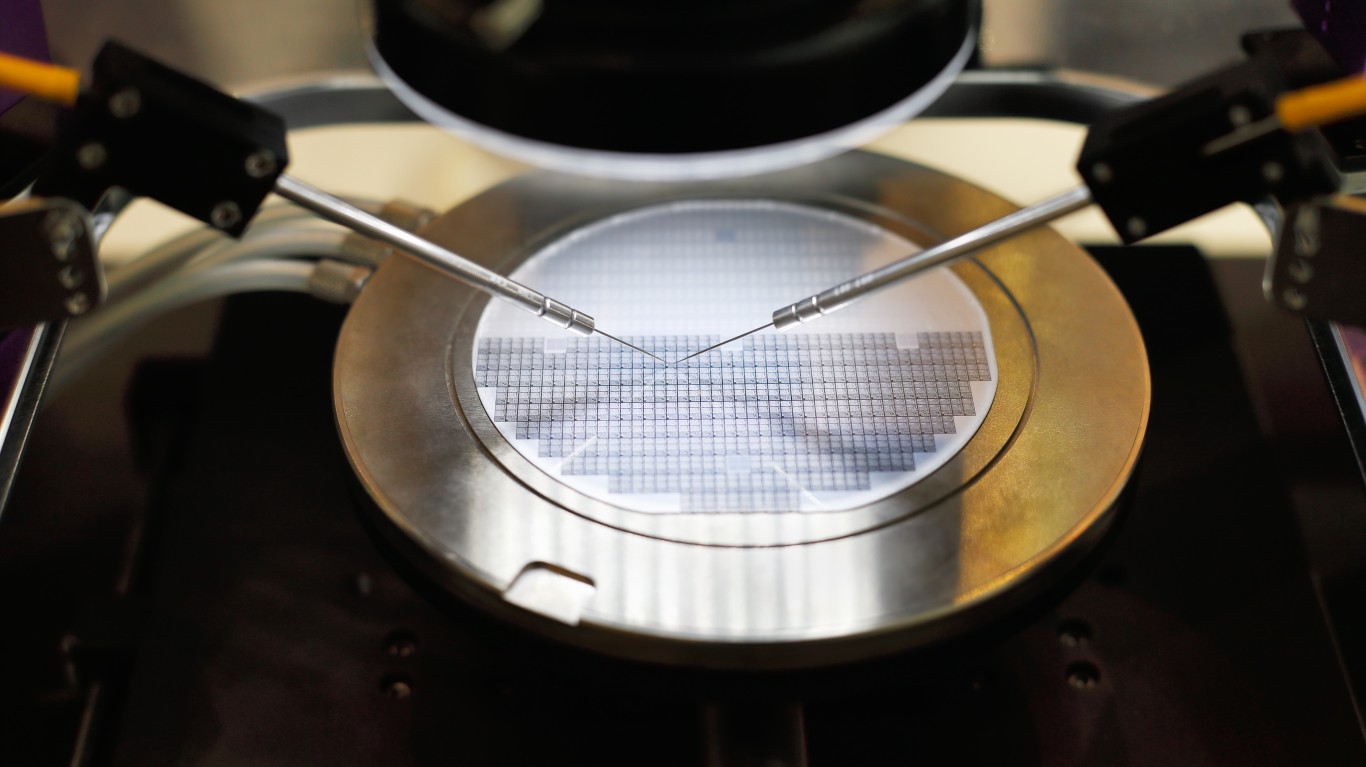
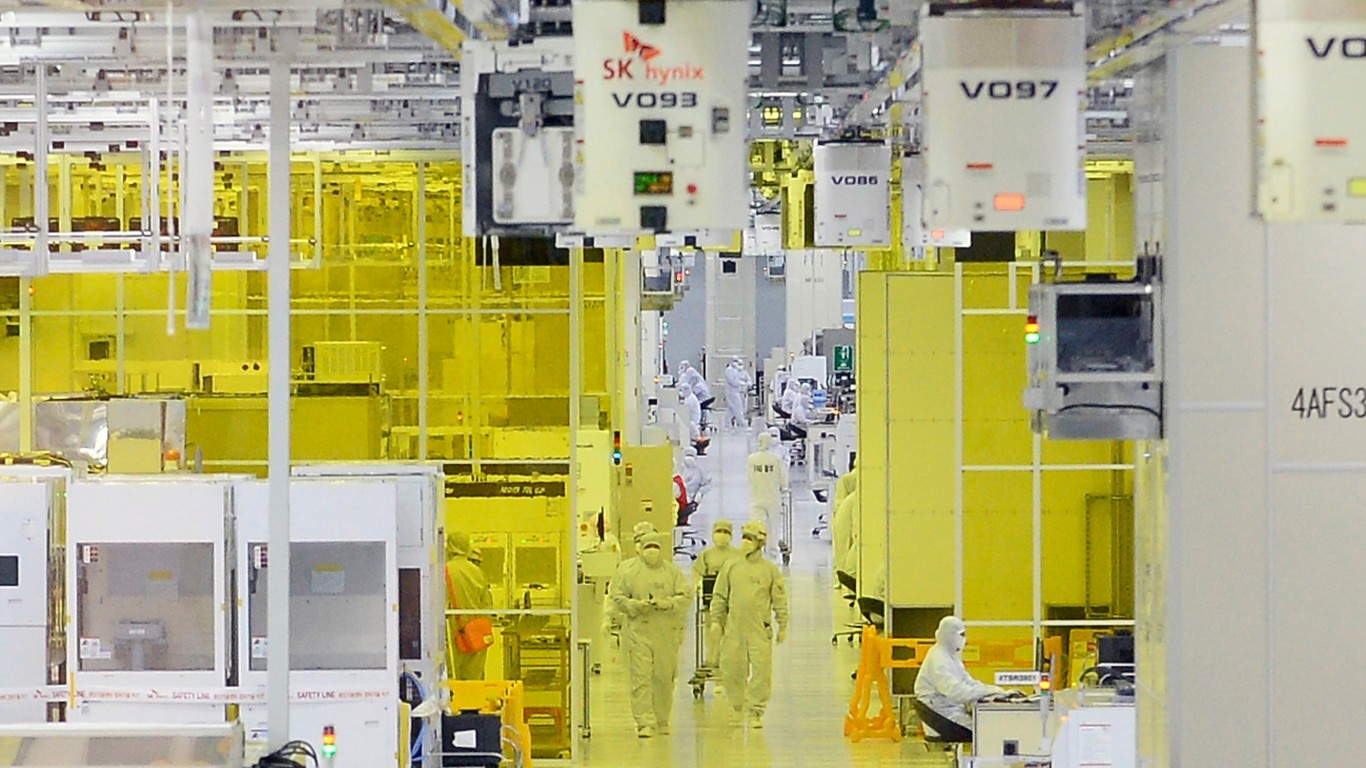
The core of Bernstein’s thesis is DRAM capacity expansion. The firm points to a widening gap between DRAM supply and demand forcing memory makers to accelerate capital spending aggressively. Bernstein forecasts ASML will ship 44 EUV machines to DRAM customers in 2028, representing 45% of total EUV shipments that year — more than double the 18 units shipped to DRAM in 2025, which represented 34% of EUV shipments at the time, pointing directly to accelerating revenue concentration in the highest-margin product line.
Key Drivers of ASML Stock Performance
- EUV adoption in DRAM: ASML’s EUV systems revenue grew 39% year-over-year to $13.47 billion in 2025, driven by reduced cost per exposure enabling broader DRAM adoption. CEO Christophe Fouquet noted that “memory customers are moving very aggressively” on capacity, directly expanding ASML’s addressable revenue.
- AI-driven demand sustainability: Advanced memory and logic segments are growing at more than 20% year-on-year, well above the historical 6-7% pace. ASML’s record Q4 2025 order intake of $15.28 billion, including $8.60 billion in EUV orders signals demand translating into contracted backlog of $45.06 billion.
- Long-term revenue expansion: ASML’s 2030 revenue target of €44 billion to €60 billion, paired with a new €12 billion share buyback program through 2028 and a 17% dividend increase to €7.50 per share, creates a compounding return structure suited for long-term retirement accounts.
What Will It Take for ASML to Reach $1,971?
With 385.4 million shares outstanding and a market cap of $547.3 billion at current prices, reaching $1,971 would place ASML’s market cap well above $750 billion. The key conditions: ASML must execute on 2026 revenue guidance of $39.49 billion to $45.30 billion, EUV shipments to memory customers must continue accelerating, and China headwinds from expected significant revenue declines must be offset by growth in Taiwan and South Korea.
Export control restrictions on China sales remain the primary risk, given China represented $11.06 billion or 29.1% of 2025 sales. Even so, Bernstein’s conviction reflects a structural shift in memory investment that positions ASML as the irreplaceable supplier at the center of the AI infrastructure buildout, making the $1,971 target a credible destination for patient retirement investors.
Contact [email protected] for any questions or corrections.
Joel South covers large-cap stocks, dividend investing, and major market trends, with a focus on earnings analysis, valuation, and turning complex data into actionable insights for investors.
He brings more than 15 years of experience as an investor and financial journalist, including 12 years at The Motley Fool, where he served as an investment analyst, Bureau Chief, and later led the Fool.com investing news desk. He has also co-hosted an investing podcast and appeared across TV and radio discussing market trends.