




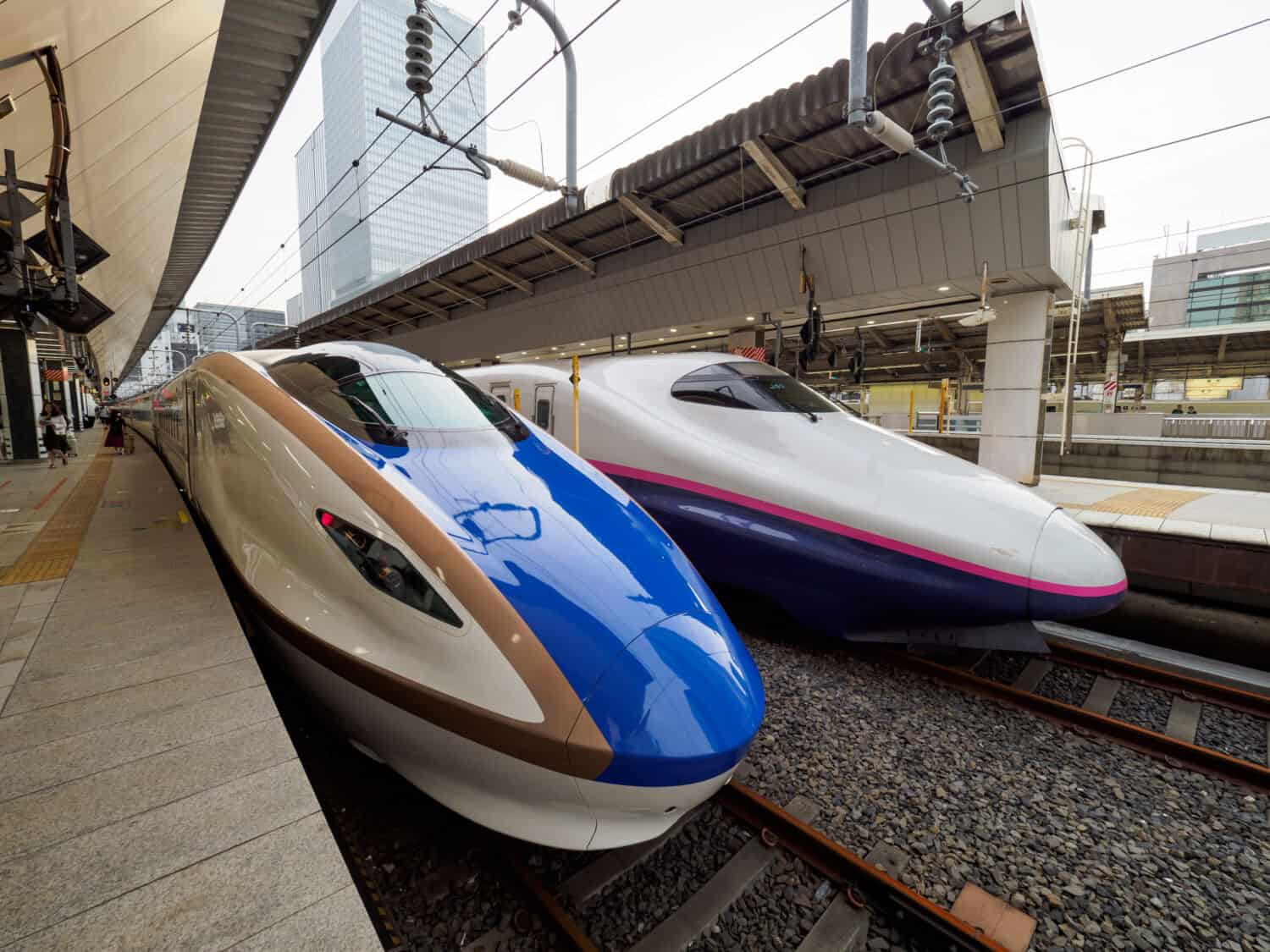
I’ve kept an eye on Kyndryl Holdings (NYSE:KD) since its IBM spinoff, and CEO Martin Schroeter has a gift for cutting through the noise.
Asked about AI return on investment, Schroeter described enterprise AI this way:
“It is like building a brand-new bullet train that can go 200 miles per hour but still running on tracks that were built for 30 miles per hour.”
Martin Schroeter, CEO, Kyndryl TV Interview
The picture he painted is highly disparate. Some enterprises are seeing genuine productivity gains: Kyndryl’s own employees have built nearly 25,000 tools and automations internally. At scale, the bottleneck is infrastructure. Many customers are struggling to get agentic AI to scale because the world’s infrastructure was built for a different era.
The data backs this up. 95% of enterprises are adopting AI, or claim to anyway, but nearly two-thirds haven’t yet implemented an AI governance framework. You can have the fastest train ever built. It doesn’t matter if the tracks can’t handle it.
Kyndryl’s answer is its new agentic service management offering, which gives enterprises a structured path to modernize infrastructure and run AI at the speed it was designed for. The company is already executing nearly 200 million automations monthly as the foundation for these services.
Hyperscaler-related revenue hit $500 million in Q3 FY2026, up 58% year-over-year, following $440 million in Q2 (up 65%) and $400 million in Q1 (up 86%). The company is on pace to exceed its $1.8 billion FY2026 hyperscaler revenue target. About a quarter of all signings now include AI-related content.
Mission-critical infrastructure work, the “hearts and lungs” of enterprise firms, remains pretty stable despite broader market volatility, geopolitical uncertainty, and the situation in the Middle East, which he noted is creating slight shifts toward ensuring operational resiliency. That matches what he said on the Q4 earnings call: “The nature of our business, providing mission-critical services under multi-year contracts means that we are significantly insulated from, although not immune to, macro factors.”
The stock is down 50% year-to-date and 60% over the past year, driven by a February accounting disclosure, leadership transitions, and multiple securities class action lawsuits. The AI story is compelling, the governance story is not.
If you’re evaluating KD, the bull case rests entirely on whether management can rebuild credibility while the hyperscaler revenue engine keeps accelerating. The forward P/E of 6x against a $14 analyst price target suggests the market is pricing in significant execution risk, not dismissing the business entirely.
The bullet train metaphor works on two levels. Enterprise AI really is constrained by legacy infrastructure, and that’s Kyndryl’s opportunity. But right now, Kyndryl itself is running on tracks that need repair before investors can feel the full speed of what Schroeter is building.
Even though I like following Kyndryl, I’m unlikely to buy the stock. That doesn’t make the CEO wrong about enterprise AI. To adapt an old saying: 20 year old enterprise processes can remain irrational longer than your AI startup can remain solvent.











 Top Gaining Stocks
 Top Losing Stocks