




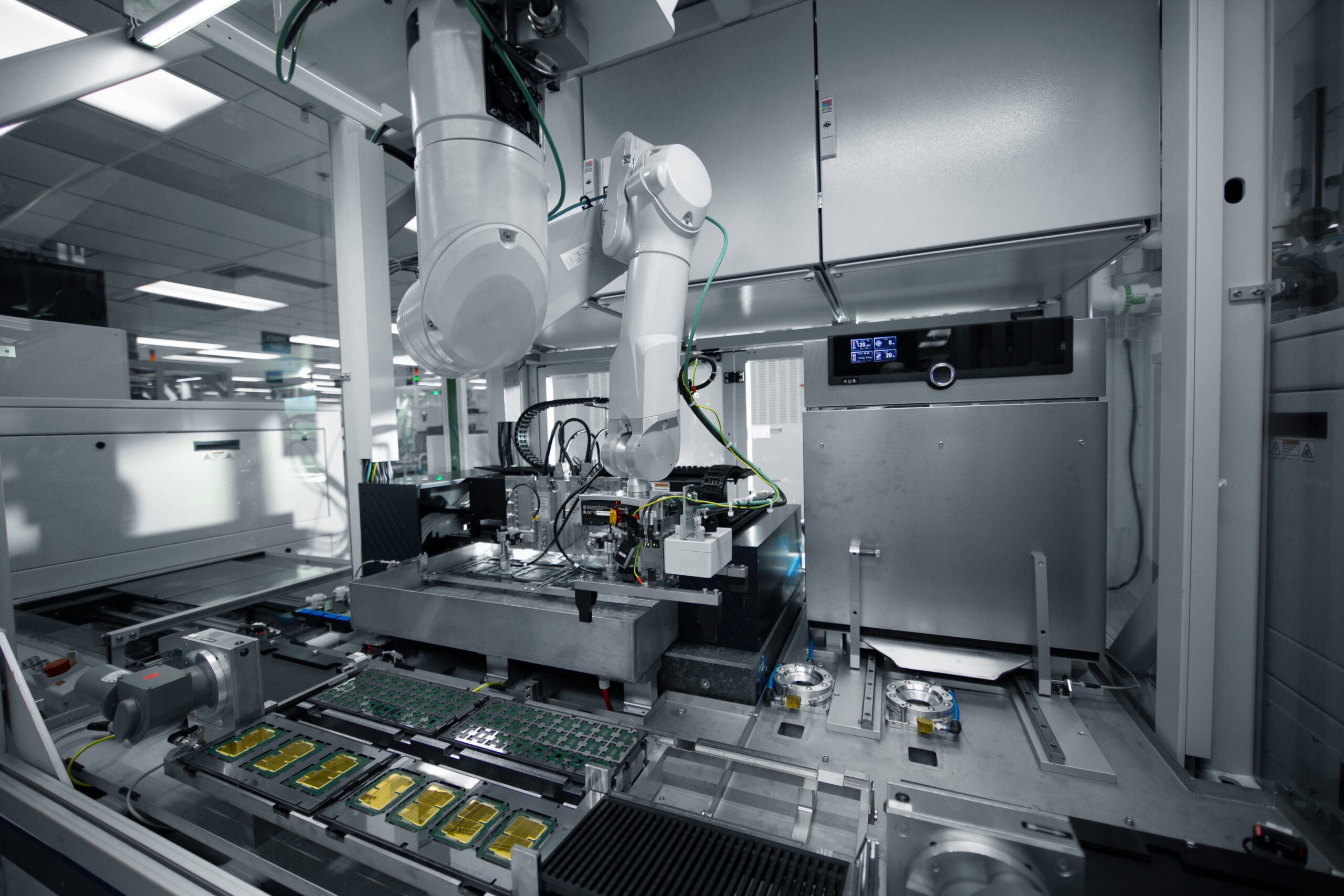
Fresh off reports Intel (NASDAQ:INTC | INTC Price Prediction) is in advanced talks with Google and Amazon (NASDAQ:AMZN) for advanced packaging services on custom AI chips, the chipmaker is back again reporting yet another boost to its foundry ambitions.
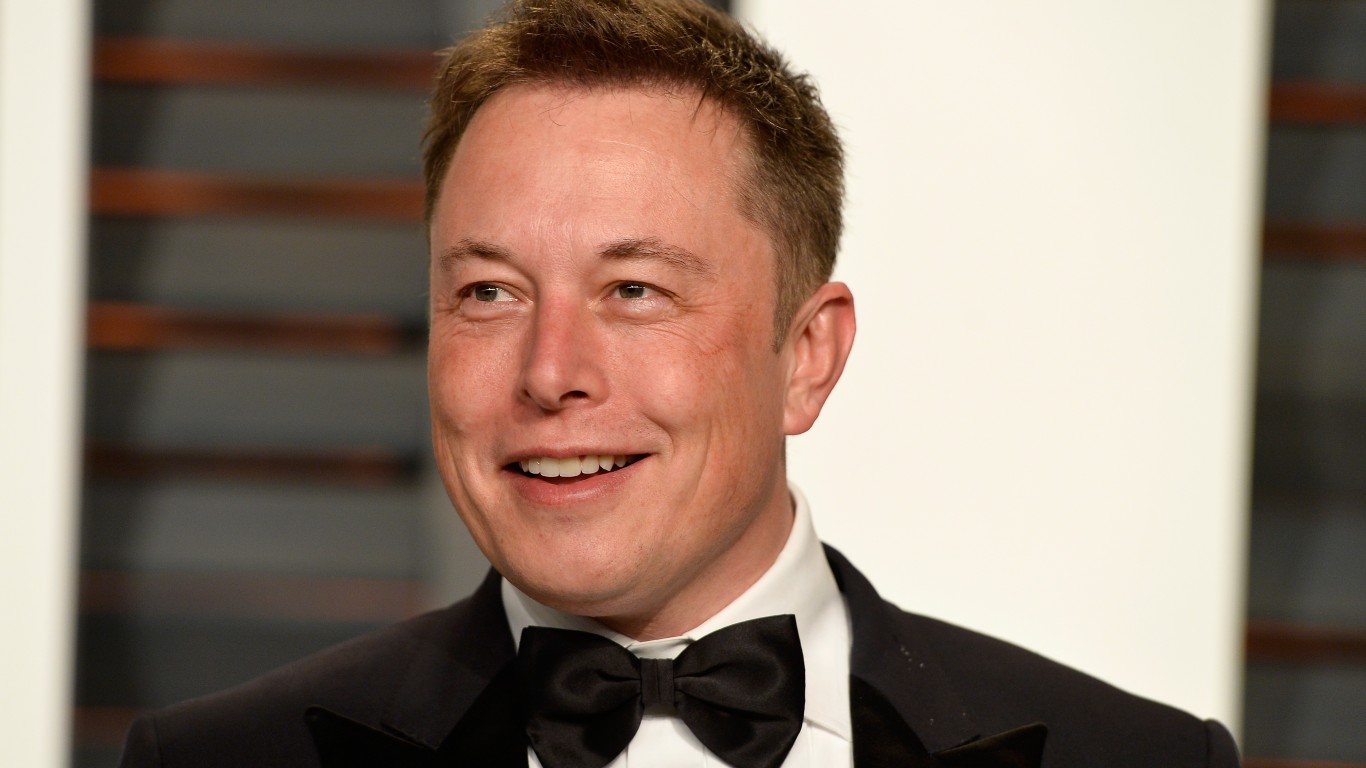
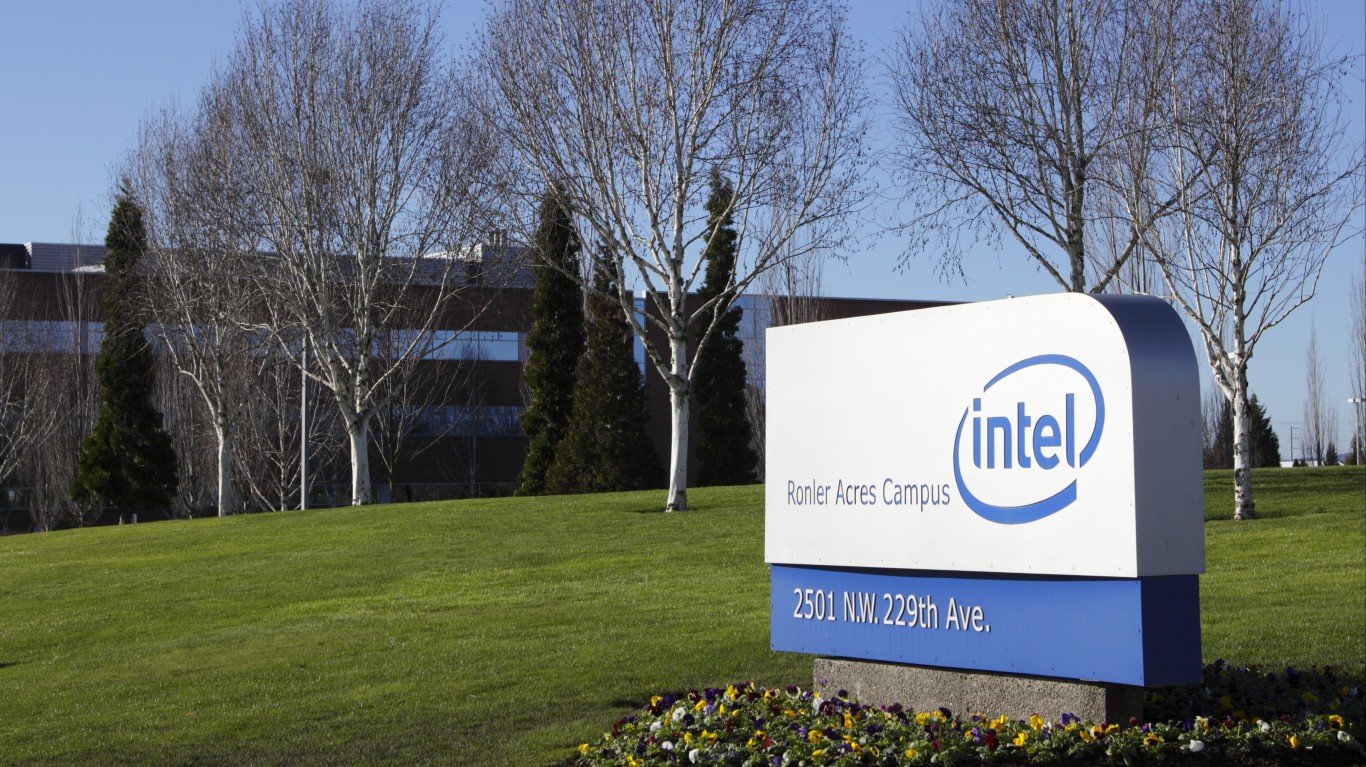
Intel announced today that it is joining Elon Musk’s Terafab project with SpaceX, xAI, and Tesla (NASDAQ:TSLA), and investors took notice. Shares are up 2% heading into noon trading. Is this finally the inflection point where Intel’s foundry business starts delivering for shareholders?
The $25 Billion Terafab Project
Intel made the announcement directly on X this morning: “Intel is proud to join the Terafab project with @SpaceX, @xAI, and @Tesla to help refactor silicon fab technology.” The project, unveiled by Musk in March, calls for two advanced chip factories in Austin, Tex., at an estimated $20 billion to $25 billion cost. Its stated goal is to produce 1 terawatt per year of compute power for AI, robotics, and space applications — combining logic, memory, and advanced packaging under one roof.
Intel’s role centers on what it does best: design, fabrication, and packaging at scale. The company’s post explicitly ties its contribution to accelerating Terafab’s 1 TW per year target using its “ultra-high-performance chips.” In plain English, this isn’t Tesla or SpaceX building a rival fab from scratch. It’s an Intel Foundry expansion in Austin with Musk’s companies as anchor customers. That means Intel just landed a marquee, high-volume partner for its 18A and future nodes — exactly the kind of external validation the foundry has chased for years.
Why This Deal Advances Intel’s Foundry Ambitions
Let’s put the numbers in context. Intel’s full-year 2025 foundry revenue reached $17.8 billion, up 3% year-over-year. Q4 alone delivered $4.5 billion, also up 4%. Yet external customer revenue for the full year totaled just $307 million, including $222 million in Q4. The majority of the foundry’s business was internal production for Intel’s own CPUs. The unit still posted a $10.3 billion operating loss for 2025, driven by 18A ramp costs.
Terafab changes the math. A project of this scale could push external revenue into the billions annually once wafers start flowing. Intel already holds a $15 billion foundry backlog; this deal adds credible, long-term demand from companies that need massive volumes for Dojo AI chips, Optimus robots, and Starship avionics. It also leverages Intel’s existing Austin campus infrastructure, reducing new capex outlays. Granted, the foundry remains unprofitable today, but every major external win like this narrows the gap to breakeven faster than internal volume alone ever could.
How Intel Stacks Up Against Taiwan Semi and Samsung
No company operates in isolation, so here’s the side-by-side view using 2025 data:
- Revenue scale: Taiwan Semiconductor Manufacturing (NYSE:TSM) generated $122.54 billion (69.9% market share). Samsung Foundry hit roughly $13 billion to $14 billion annualized run-rate (7.1% share). Intel Foundry’s $17.8 billion looks competitive on paper — but $17.5 billion of it was internal. External revenue? Just 1.7% of Taiwan Semi’s total.
- Profitability: Intel’s rivals both turned profits on advanced nodes while its foundry lost $2.5 billion in Q4 2025 alone and $10.3 billion for the year.
- Process leadership: Taiwan Semiconductor leads at 2nm and below. Intel’s 18A node (in ramp now) and 14A (2026–2027) target parity, with U.S.-based capacity as a key differentiator for government and hyperscaler customers wary of Taiwan risk.
The Terafab partnership gives Intel a domestic, high-profile showcase that neither Taiwan Semi nor Samsung can match for U.S.-centric AI projects. It also positions Intel to capture advanced packaging revenue — EMIB and Foveros — where margins can hit 40%.
Key Takeaway
This Terafab win is real progress for Intel’s foundry ambitions. It validates the 18A technology roadmap, adds a high-volume external customer, and could accelerate the shift from $307 million in 2025 external revenue toward the billion-dollar deals needed for sustainable returns. That said, the unit still bleeds cash, forward P/E sits above 100, and the dividend remains suspended. No matter how you slice it, Intel’s turnaround hinges on executing these ramps without further delays.
Smart investors should treat this as a catalyst, not a finished story. Intel reports earnings on April 23, so look out for updated backlog figures and 18A yield data. If external revenue starts climbing toward 10% to 15% of foundry totals by year-end, the foundry business could finally flip from drag to driver. In any case, this deal gives long-term Intel investors a clearer path to upside — provided it delivers the wafers on time.









 Top Gaining Stocks
 Top Losing Stocks