Buy This ETF as Silver’s Next Leg up Can Be Even More Explosive
Gold has surged dramatically over the past decade, but silver is still priced as though the world hasn’t noticed. With gold trading around $4,742 per ounce and silver around $74 per ounce, the gold-to-silver ratio sits near 63:1. That number…


Gold has surged dramatically over the past decade, but silver is still priced as though the world hasn’t noticed. With gold trading around $4,742 per ounce and silver around $74 per ounce, the gold-to-silver ratio sits near 63:1. That number matters enormously, because history suggests it has no business being there.
The 100-year average gold-silver ratio is roughly 40:1, and the long-run historical average stretches back to approximately 15:1. A reversion toward even the 100-year average would put silver at around $117 per ounce. A move toward the deeper historical norm would push it to over $300 per ounce. Those are not predictions, but they illustrate the asymmetry baked into silver at current prices relative to gold.
What SLV Is Actually Built to Capture
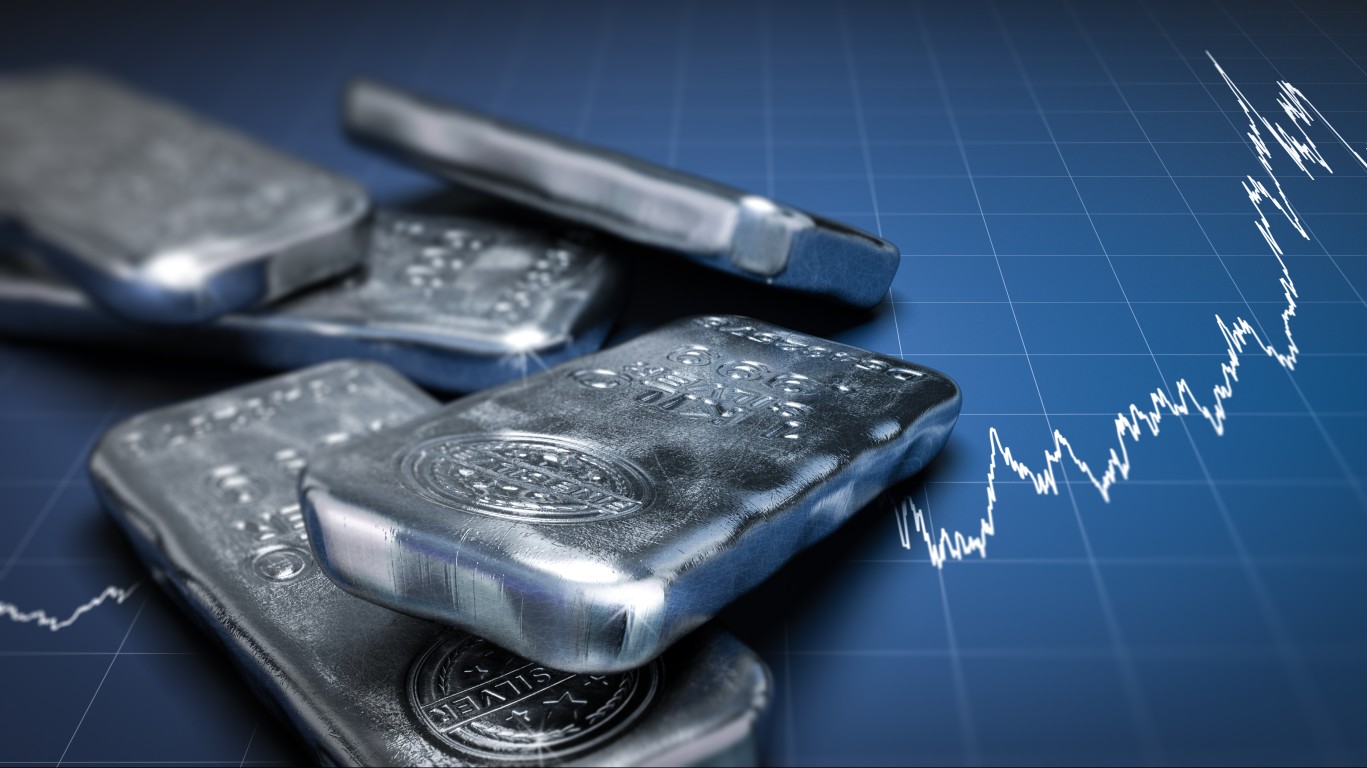
iShares Silver Trust (NYSEARCA:SLV) is a physically-backed fund that holds silver bullion in vaults, with JPMorgan Chase Bank serving as custodian. Each share represents a fractional claim on real silver. The return engine is pure price appreciation: SLV pays a 0% dividend yield, charges a 0.50% annual expense ratio, and currently holds approximately $35.7 billion in net assets. The fund has been operating since April 2006.
Silver’s appeal goes beyond the monetary store-of-value argument. Roughly half of annual silver demand comes from industrial applications: solar panels, electric vehicles, semiconductors, and electronics. The Silver Institute projects 2026 will mark the sixth consecutive year of structural market deficit. Supply simply cannot keep pace with industrial consumption, which creates a floor under prices that pure monetary metals like gold don’t have.
The Case for an Explosive Second Move
SLV has already delivered. Over the past year, the fund returned 128%, compared to roughly 50% for gold over the same period. Over five years, SLV returned 178% versus gold’s 166%. Silver consistently amplifies gold’s moves, which is exactly the characteristic that makes the ratio gap so compelling.
The current ratio of around 63:1 means silver would need to roughly double just to reach the 100-year average, assuming gold holds its current price. If gold continues climbing, the math compounds further. This is the core argument for SLV as a portfolio position: the fund doesn’t just offer silver exposure, it offers leveraged sensitivity to a ratio that is historically stretched in silver’s favor.
Silver and gold prices surged following President Donald Trump’s announcement of a two-week ceasefire and the reopening of the Strait of Hormuz. Analysts cautioned that the ceasefire appears fragile, suggesting continued volatility for metals. Fragile geopolitical conditions historically sustain precious metals demand.
The Tradeoffs Are Real and Worth Understanding
Silver’s volatility is the product, by design. SLV pulled back by double digits in a single month earlier in 2026, even after its extraordinary run. Analysts described silver as having “acted more like a meme investment than a safe haven.” That characterization is unfair to the fundamentals, but it captures the psychological experience of holding SLV through drawdowns.
The IRS classifies SLV as a collectible, meaning long-term capital gains face a 28% tax rate rather than the standard 20% maximum for equities. Investors holding in taxable accounts give up a real portion of any gain. Pairing SLV with a tax-advantaged account structure softens this considerably.
Reddit sentiment on wallstreetbets ran predominantly bearish in early April, with sentiment scores clustering in the 18-25 range. Retail pessimism near a historically stretched ratio is often where the best entry points form, not the worst.
For investors who understand that silver’s next move toward historical ratio norms could be parabolic, the path there will include sharp, uncomfortable pullbacks along the way.
Contact [email protected] for any questions or corrections.
Omor Ibne Ehsan is a writer at 24/7 Wall St. He is a self-taught investor with a focus on growth, cyclical, and dividend equities that have strong fundamentals, value, and long-term potential. He also has an interest in high-risk, high-reward investments such as penny stocks.