Elon Musk vs. Jeff Bezos: The Three-Way War for the Future of Space-Based AI
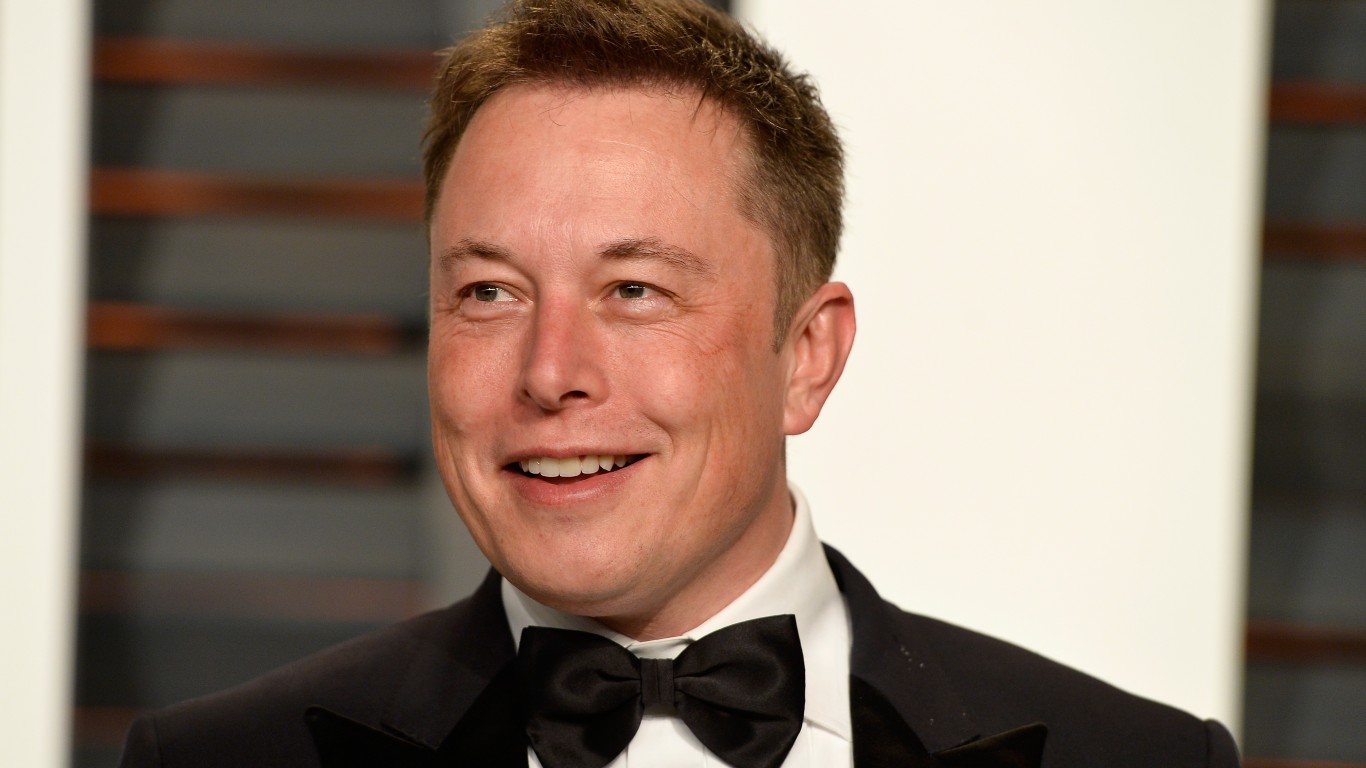
On March 21, 2026, at the old Seaholm Power Plant in Austin, Elon Musk unveiled Terafab, a project to build 1 terawatt of AI compute capacity annually. Six weeks later, Intel (NASDAQ:INTC | INTC Price Prediction) signed on as foundational…

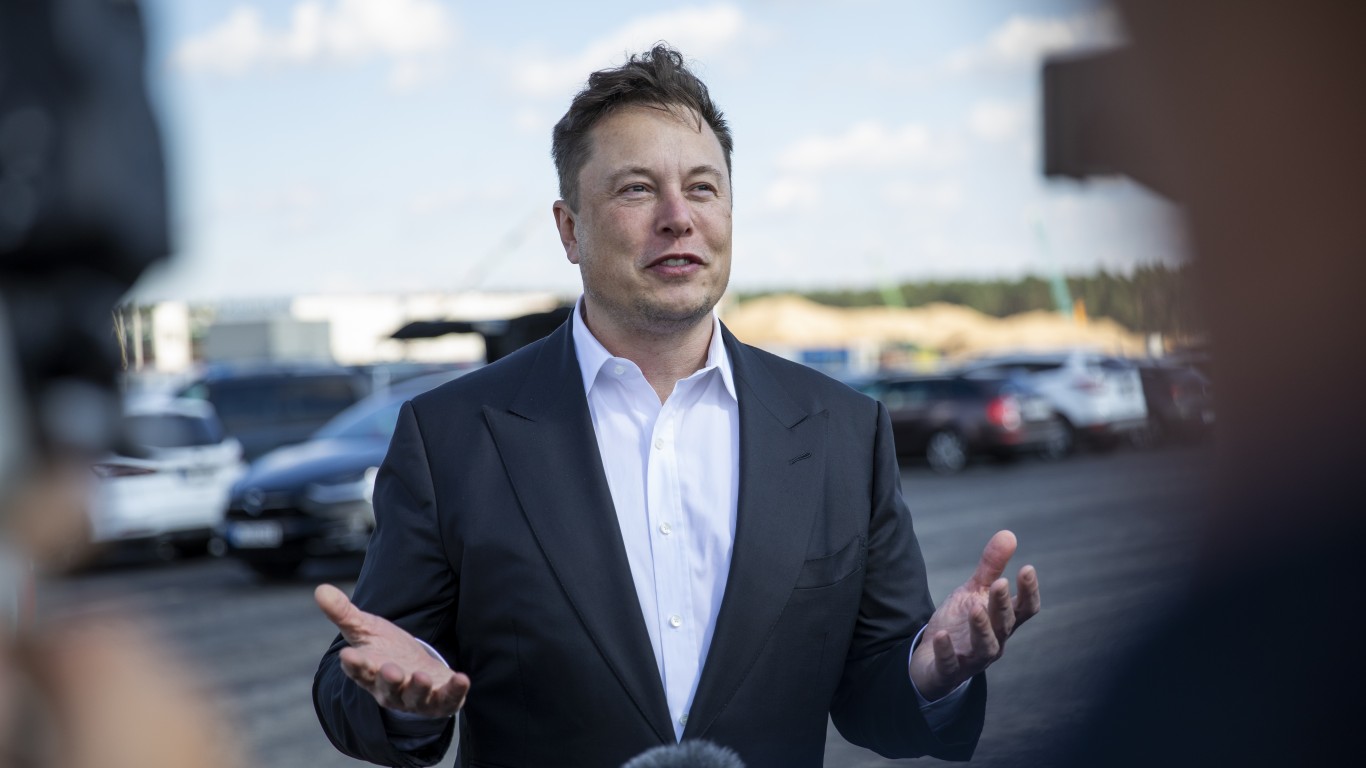
On March 21, 2026, at the old Seaholm Power Plant in Austin, Elon Musk unveiled Terafab, a project to build 1 terawatt of AI compute capacity annually.
Six weeks later, Intel (NASDAQ:INTC | INTC Price Prediction) signed on as foundational manufacturing partner, and shares rose 150.45% from April 1 through May 13. Jeff Bezos filed Blue Origin’s Project Sunrise with the FCC for 51,600 AI data-center satellites, and Alphabet’s Project Suncatcher, built with Planet Labs, aims for prototype TPU satellites in early 2027. The orbital AI war has become a procurement order.
The Visible Change
Three of the most valuable companies on Earth are moving compute off the ground.
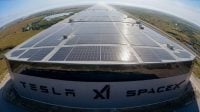
Tesla (NASDAQ:TSLA) put $2 billion into SpaceX equity and broke ground on a semiconductor fab at Gigafactory Texas. SpaceX filed with the FCC on January 30, 2026 for up to 1 million orbital data-center satellites, each roughly 170 meters long with 100 kW of onboard power. Amazon (NASDAQ:AMZN) CEO Andy Jassy told investors the company will “invest about $200 billion in capital expenditures across Amazon in 2026”, partly to scale Amazon Leo. Alphabet (NASDAQ:GOOGL) guided 2026 capex to $175 billion to $185 billion. Solar irradiance tipped the cost curve: 5 to 8 times Earth-surface levels in orbit, with passive radiator cooling and continuous power. Musk projects orbital compute beats terrestrial on cost within two to three years.
The Hidden Cost
Tesla’s Grimes County megafab carries an initial $55 billion price tag with a full buildout pegged anywhere from $119 billion to $13 trillion, drawing up to 10 GW, roughly 1% of US grid capacity. Tesla’s automotive revenue fell 10% in 2025, and the original $20 billion 2026 capex plan did not include Terafab. Morgan Stanley’s Andrew Percoco called it a “Herculean task” at $35 billion to $45 billion, with chips not expected before 2028. Prediction markets signal concern: Polymarket gives a Tesla-SpaceX merger announcement by year-end 35% odds, suggesting the cap-table math may not work without consolidation.
A million-satellite constellation would dump roughly 360 metric tons of aluminum oxide into the mesosphere annually, a 646% increase over natural levels on reentry. 2022 reentries already lifted atmospheric aluminum 29.5% above natural. Aluminum oxide catalyzes chlorine reactions that destroy stratospheric ozone. The Montreal Protocol exists because of this chemistry.
Who Pays Most
Rural Texans near Gibbons Creek Reservoir absorb the water draw, tax abatement fight, and a fab footprint of roughly 100 million square feet across several thousand acres. The NAACP has flagged data-center siting in historically Black communities. Retail Tesla holders absorb capex that has stretched past the original budget while TSLA sits down 0.99% year to date. The broader public inherits any atmospheric externality nobody voted on. Astronomer John Barentine has warned of “debilitating” effects on ground-based research.
Watch two signals over the next two quarters: whether the FCC opens a formal environmental review of the SpaceX million-satellite filing, and whether Tesla discloses a separate Terafab funding vehicle on its Q2 earnings report. Either move tells you who is writing the check.
Contact [email protected] for any questions or corrections.
Don Lair writes about options income, dividend strategy, and the kind of boring-but-durable investing that actually funds retirement. He's the founder of FITools.com, an independent contributor to 24/7 Wall St., and a former writer for The Motley Fool.