Jeff Hook’s Blunt Warning: Private Equity Fees Are Destroying Returns for Retail Investors
Investment banker and researcher Jeff Hook went on the Rational Reminder Podcast and offered one of the bluntest assessments of private equity any practitioner has put on tape this year. "If was enforced like it should be enforced, there would…

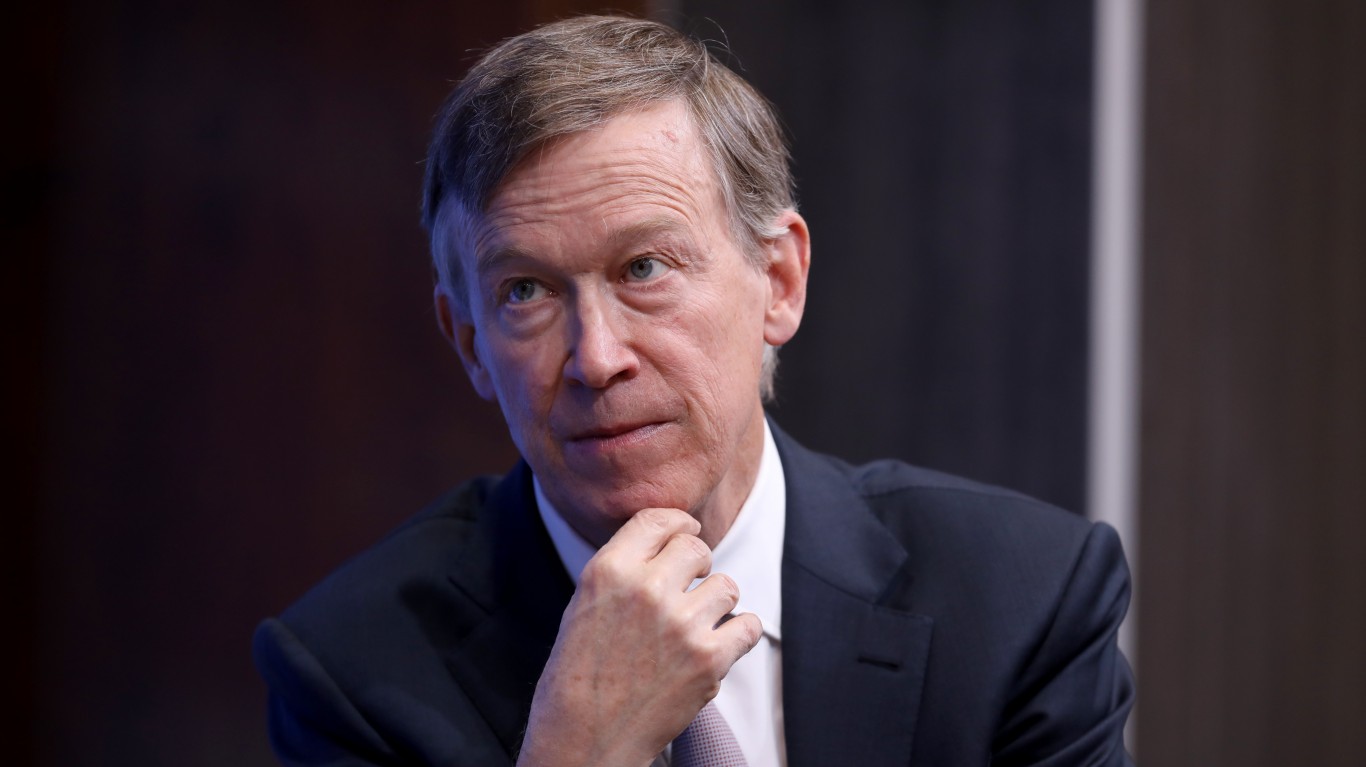
Investment banker and researcher Jeff Hook went on the Rational Reminder Podcast and offered one of the bluntest assessments of private equity any practitioner has put on tape this year. "If [fiduciary obligation] was enforced like it should be enforced, there would be very little private equity and private real estate outstanding. Most of the money would’ve gone to some kind of index ETF or some public equivalent," Hook said on episode 409.
That is a striking claim from someone whose career sits inside the deal economy. Here’s why he believes it, and what it means for the retail investor now being marketed semi-liquid private funds at a record pace.
The Fee Drag Thesis
Hook’s research has focused on private credit, where he found returns that do not justify the fee load once you account for leverage and risk. When Cliffwater, a major private credit consultant, pushed back with a critique focused on business development companies, Hook said BDCs are "kind of similar to private credit funds" but with "significant differences." His team could not determine "whether he fully accounted for the fees that the BDCs charge or whether he was just calculating the returns that were gross of fees." Hook’s team invited a formal rebuttal in a peer-reviewed journal, and "we never heard from him."
The math is unforgiving. A typical private equity fund runs a 2% management fee plus 20% carried interest. Compare that to Vanguard S&P 500 ETF (NYSEARCA:VOO), which carries a net expense ratio of 0.03% per its most recent fact sheet. The public index has not been a slouch either. SPDR S&P 500 ETF Trust (NYSEARCA:SPY) is up 24.31% over the past year and 259.46% over the past decade, while the Invesco QQQ Trust (NASDAQ:QQQ) has returned 562.98% over ten years.
Why Retail Keeps Getting Pitched Anyway
Host Benjamin Felix flagged the structural issue: "the amount that has been paid from private funds" keeps going "up, up, up," creating an environment where "if wealth managers are being compensated to place dollars in these funds, that would be an incentive to do that."
Hook’s read is that retail investors do not understand the actual return data because "they’ve just all been pushing us for so many years" through favorable media coverage. Distribution economics explain much of the proliferation of interval funds, tender-offer funds, and retail BDCs.
The 5% to 6% Cap
For investors who still want exposure, Hook recommends keeping exotic alternatives to 5 or 6% of a portfolio at most. That is a meaningful concession from a critic and a useful guardrail. It treats private equity as a satellite position rather than a core allocation, which is roughly how endowments treated it before the asset class got repackaged for individuals.
What to Watch
Watch the disclosure fights. When a major consultant declines to publish a formal rebuttal, as Hook noted, the burden of proof should shift back to the sponsors. Until net-of-fee, risk-adjusted data is standardized, the default position for most investors is the boring one: a broad index fund at three basis points.
Contact [email protected] for any questions or corrections.
Don Lair writes about options income, dividend strategy, and the kind of boring-but-durable investing that actually funds retirement. He's the founder of FITools.com, an independent contributor to 24/7 Wall St., and a former writer for The Motley Fool.