We Asked 3 AI Models if XRP Could Outperform Solana by End of 2026
XRP (CRYPTO: XRP) is trading at $1.38 today, down 62% from its 2025 high, while Solana (CRYPTO: SOL) hovers around $84, down over 70% from its own peak. Both coins are recovering, have institutional money building behind them, and have…

This post may contain links from our sponsors and affiliates, and Flywheel Publishing may receive compensation for actions taken through them.

XRP (CRYPTO: XRP) is trading at $1.38 today, down 62% from its 2025 high, while Solana (CRYPTO: SOL) hovers around $84, down over 70% from its own peak. Both coins are recovering, have institutional money building behind them, and have catalysts that could push them significantly higher before the year ends.
So we asked ChatGPT, Grok, and Google Gemini if XRP can outperform Solana by the end of 2026. The three models gave three different answers, and the disagreement between the models is where our analysis starts.
What Each AI Model Predicted for XRP and Solana by Year End
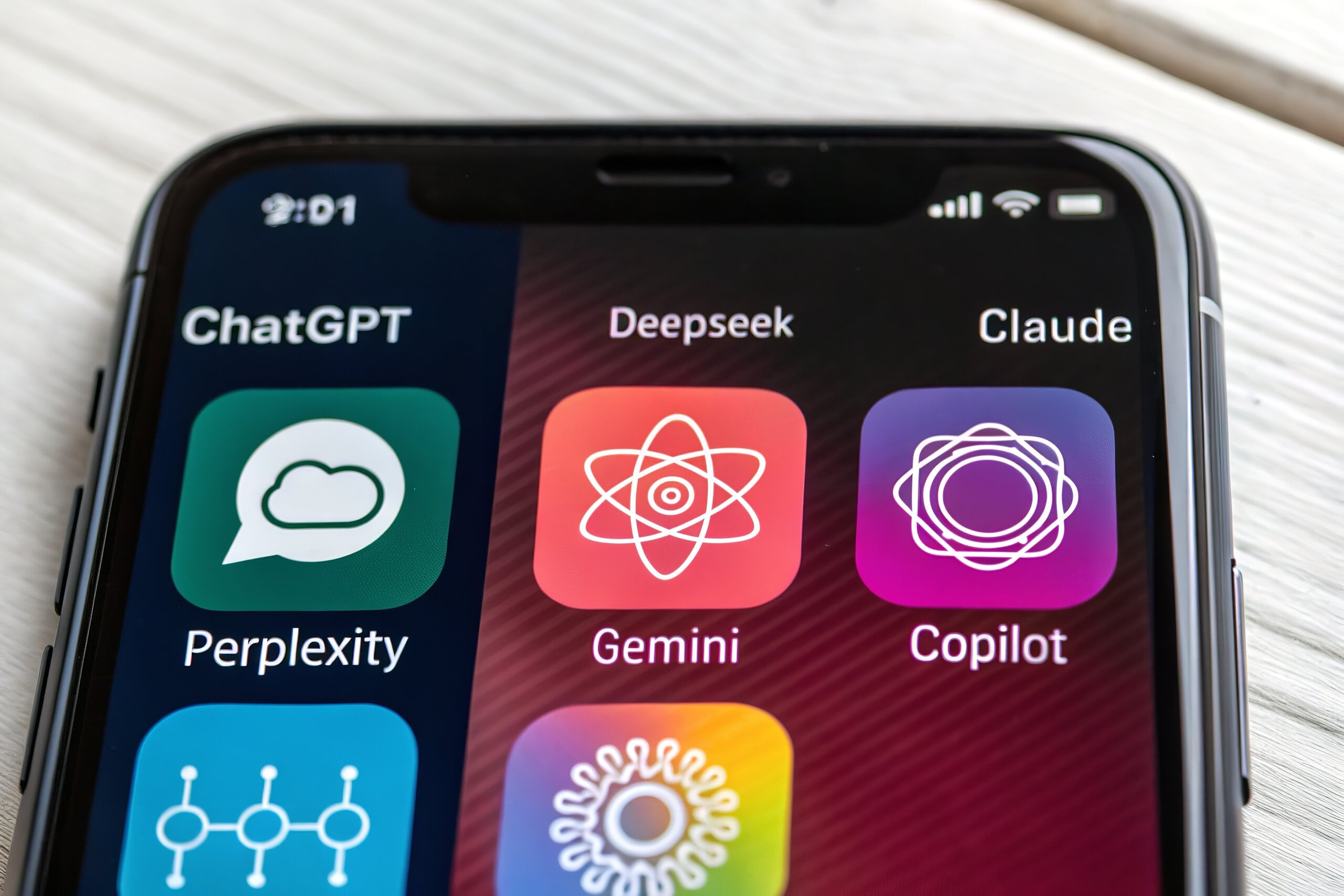
The table below shows the specific forecasts of each AI model.
| Model | XRP Year-End Target | Solana Year-End Target |
| ChatGPT | $3.00–$4.00 | $150–$350 |
| Grok | $6.00–$8.00 | $90–$160 |
| Gemini | $3.00–$15.00 | $300–$800 |
ChatGPT
ChatGPT put XRP’s base case at $3, citing capital rotation from Bitcoin into large-cap altcoins with strong regulatory narratives, and its bull forecast at $4—describing it as a modest goal relative to XRP’s historical cycle moves.
The AI predicts Solana could hit $120 to $350 if Solana’s dominance as the highest-performance smart contract chain and its real user activity in DeFi and payments continues.
In ChatGPT’s model, SOL outperforms XRP in percentage terms unless XRP’s regulatory catalysts land and Solana stalls below $260.
Grok
Grok is the most XRP-friendly model. The AI model puts XRP’s ceiling at $8, a 480% gain from today’s price, driven by growing banking adoption and regulatory clarity from the CLARITY Act.
For Solana, Grok’s prediction sits between $90 and $160, reflecting a range where the Alpenglow upgrade delivers but ETF inflows stay moderate.
In Grok’s framework, XRP outperforms SOL in every scenario except a scenario where Firedancer and Alpenglow combine to push SOL past $300.
Gemini
Gemini is the most aggressive model for both assets. It puts XRP anywhere from $3 to $15 depending on whether the CLARITY Act passes and banking adoption scales from pilots to real volume.
On the other hand, Gemini projects that Solana could reach $300 to $800, based on the combination of Firedancer’s 1 million-transactions-per-second upgrade and spot ETF inflows already exceeding $1.1 billion in AUM.
What Catalysts Could Help XRP Outperform Solana?
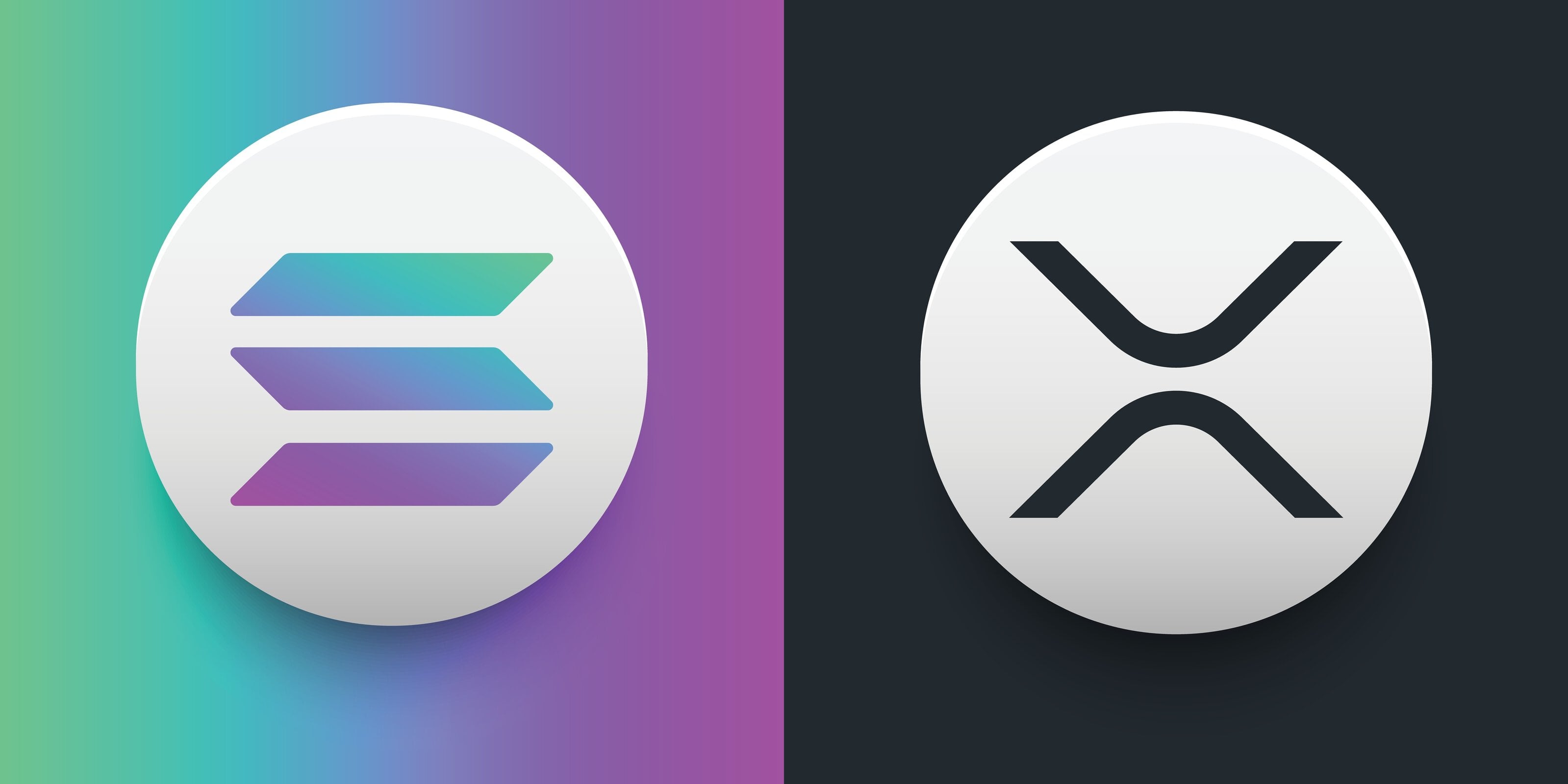
XRP’s price performance depends on regulation and institutional settlement. Every major catalyst on XRP’s side is either a legal event or an institutional flow event. Here are the three that matter most.
The CLARITY Act
The CLARITY Act cleared the Senate Banking Committee with a 15-9 bipartisan vote on May 14, 2026. If it reaches Trump’s desk before the July 4 deadline, it will permanently classify XRP as a digital commodity under federal law—removing the single legal barrier that has been preventing pension funds, insurance companies, and sovereign wealth funds from holding XRP at scale.
Standard Chartered projects that passage triggers $4 to $8 billion in cumulative XRP ETF inflows by year-end. Without it, those institutions stay on the sidelines and the possibility of XRP outperforming Solana disappears entirely.
XRP ETF Inflows Accelerating
Since Spot XRP ETFs launched late last year, they have already pulled in $1.325 billion in cumulative inflows. And even though there is strong demand, it’s almost entirely retail-driven.
Bloomberg Intelligence confirmed that 84% of XRP ETF inflows have come from retail investors, with institutional allocators still waiting for passage of the CLARITY Act before committing to large positions.
When the CLARITY Act finally passes, the institutional inflow channel opens for the first time. That’s the demand shock none of the AI models are fully accounting for in their base cases.
Ripple’s Banking Infrastructure
Ripple closed 10 major bank deals in 2026, including Deutsche Bank, Société Générale, JPMorgan, and Mastercard’s $9 trillion payment network. While the infrastructure is in place, what’s missing is the legal clarity that would turn these partners from RLUSD settlers into XRP settlers.
Once the CLARITY Act resolves that, Ripple’s existing network of over 300 banking partners becomes the distribution channel for XRP demand and none of that requires any new partnership announcements.
What Catalysts Could Help Solana Outperform XRP?
Solana’s catalysts are already running and several of them are compounding simultaneously right now.
The Alpenglow Upgrade
The Alpenglow upgrade entered community validator testing on May 11, 2026, targeting sub-150ms transaction finality and a path toward 1 million transactions per second. If the upgrade ships to mainnet by the end of Q3, Solana would become the fastest settlement layer in existence by a wide margin.
Gemini’s $300 to $500 year-end target depends directly on this upgrade landing, arguing it positions SOL as the premier institutional settlement layer for global payments—a market far larger than the DeFi and memecoin economy that currently drives most of its revenue.
DeFi Dominance and Real Network Activity
Solana has 27.1 million active addresses, leads the entire crypto market in DeFi transaction volume, and has been the preferred chain for consumer-facing crypto applications for two straight years.
Visa is expanding stablecoin settlements through the Solana network, Meta is routing USDC creator payments on-chain and Western Union is live on Solana. These are live integrations generating real transaction volume every day. Unlike XRP’s banking partnerships, Solana’s network activity doesn’t require a regulatory event to keep compounding.
Spot SOL ETFs Already Building AUM
Over $1.1 billion is already held in spot Solana ETFs, and Solana’s commodity classification became permanent under the March 17 SEC-CFTC joint ruling—the same ruling that classified XRP. The difference is that XRP’s classification under that ruling is interpretive guidance.
If the Alpenglow upgrade ships on time and altcoin season rotates in following any Bitcoin breakout above $90,000, Solana’s ETF infrastructure becomes the fastest route for institutional capital to move into SOL at scale.
Could XRP Outperform Solana by the End of 2026?
We think Solana could outperform XRP by year-end, but not by as much as the AI models suggest. We take this position because most of Solana’s catalysts are already running. The Alpenglow upgrade is in testing, DeFi activity is compounding, and its ETF inflows don’t need a Senate vote to keep building. XRP’s price performance largely hinges on the CLARITY Act, and that bill has a deadline that may or may not be met.
That said, if the CLARITY Act clears before August, XRP becomes the better trade. The regulatory clarity would trigger institutional inflows that Solana already has and XRP doesn’t. In such a scenario, Grok’s $6-$8 XRP price target could be reached. Until then, Solana is the safer bet and XRP has the bigger potential, but only if the CLARITY Act passes.
Contact [email protected] for any questions or corrections.
Sam Daodu is a crypto analyst who's spent nearly a decade making blockchain understandable—no easy task when most whitepapers read like fever dreams. He writes for 24/7 Wall St., covering Bitcoin, altcoins, and crypto market analysis for investors. Before crypto, he was a tech writer (back when explaining "the cloud" was peak innovation). Since 2018, he's written for CoinTelegraph, Yahoo Finance, The Block, Cryptonews, Zypto, Rain, and more—basically anywhere people want crypto news without the headache. Sam runs MacLabs Marketing, a content agency for crypto brands tired of sounding like AI wrote their website. He also publishes free crypto education on his site for Web3 enthusiasts who think "gas fees" is a typo. When he's not writing or staring at charts, Sam's either: - Watching anime (currently convinced One Piece has better tokenomics than most altcoins) - At the gym sculpting himself into a Greek god - Listening to the music your mum warned you only bad boys listen to Connect: LinkedIn | Email | MacLabs Marketing