XOVR ETF: Watch Hyperscaler AI Capex Before Summer 2026 Earnings Season
The ERShares Private-Public Crossover ETF (NYSEARCA:XOVR) sits at an awkward crossroad heading into summer 2026. Shares trade near $19.08, down 5% year-to-date even as the public-side AI mega-caps it holds have ripped higher. That disconnect matters because XOVR is the…

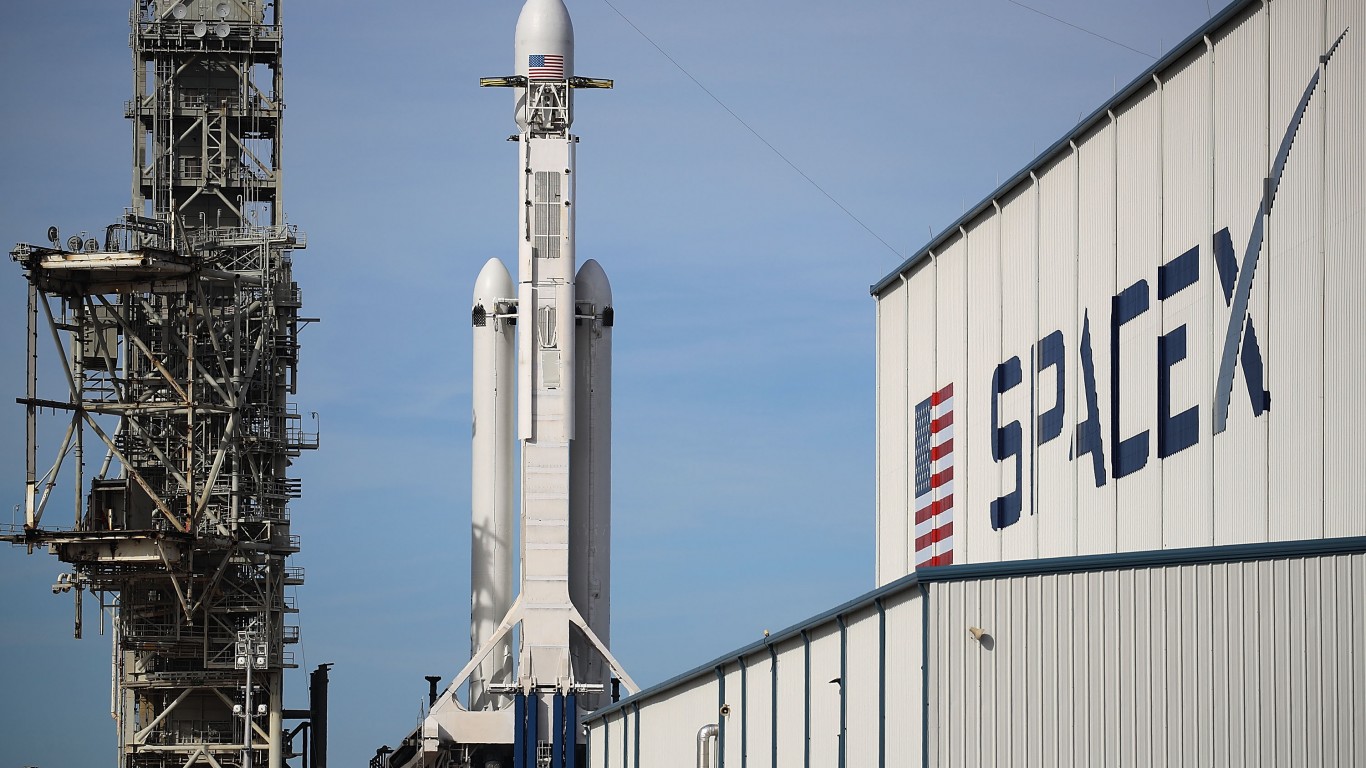
The ERShares Private-Public Crossover ETF (NYSEARCA:XOVR) sits at an awkward crossroad heading into summer 2026. Shares trade near $19.08, down 5% year-to-date even as the public-side AI mega-caps it holds have ripped higher. That disconnect matters because XOVR is the rare ETF that pairs late-stage private growth (SpaceX is the publicly known anchor) with public AI infrastructure beneficiaries, and the gap between those two engines is widening in ways holders need to track.
The fund’s public sleeve concentrates in NVIDIA (NASDAQ:NVDA | NVDA Price Prediction), Alphabet (NASDAQ:GOOGL), Meta Platforms (NASDAQ:META), and AppLovin (NASDAQ:APP). Year-to-date, GOOGL is up 24% and NVDA is up 18%, while META is down 9% and APP is down 29%. XOVR trailing that basket tells you the private sleeve and weighting decisions are doing real work on returns beyond mega-cap beta.
The macro signal with the most leverage: hyperscaler AI capex
The single variable with the most pull on this fund over the next twelve months is hyperscaler AI capital spending. The capex commitments dwarf anything the sector has guided to in prior cycles. Alphabet guided to $175 to $185 billion of 2026 capex, with Q1 alone hitting $35.67 billion (more than double the prior year). Meta raised its 2026 capex range to $125 to $145 billion, up from $115 to $135 billion just one quarter earlier.
That spend flows directly into NVIDIA’s Data Center segment, which generated $62.31 billion in Q4 FY26 (75% YoY growth) and is now 92% of total revenue. Networking alone grew 263% YoY. NVIDIA carries $95.2 billion in supply commitments and guided Q1 FY27 to roughly $78 billion, explicitly excluding China data center compute. If even one hyperscaler trims 2027 capex guidance, NVDA’s earnings power, and by extension XOVR’s largest public anchor, would re-rate fast.
What to watch: quarterly capex commentary from Alphabet, Meta, Microsoft, and Amazon, plus NVIDIA’s August Q2 FY27 print. The signal to act on is any sequential reduction in 2026 or 2027 capex guides. The CME FedWatch tool and the BEA’s monthly Core PCE release round out the macro dashboard, since growth-stock and private-growth valuations both ride the discount rate.
The fund-specific factor: how SpaceX gets marked
XOVR’s defining feature is its private allocation, with SpaceX the headline holding. Private positions are revalued only when new funding rounds, secondary tenders, or independent valuation events occur. That introduces a structural lag and a step-function risk that pure public-equity ETFs lack by construction.
The macro setup makes this especially live right now. The 10-year Treasury yield sits at 4.6%, the 99.6th percentile of its 12-month range, while the Fed funds upper bound is roughly 4% after 75 basis points of cuts since September 2025. Long rates that high compress private-growth discount rates; easing short rates partially offset. Core PCE at the 90.9th percentile of its 12-month range keeps the Fed cautious, which keeps the math tight. The next SpaceX secondary print will reset XOVR’s NAV in a single mark.
What to watch: ERShares’ monthly holdings disclosures and any SpaceX tender coverage in the financial press. A sharp upward mark could lift XOVR several percentage points overnight; a flat or down round would do the opposite.
The two tells that matter
The macro tell is hyperscaler capex direction. Any cut drags NVDA and the rest of XOVR’s public sleeve. The fund-specific tell is the next SpaceX revaluation in ERShares’ disclosures, which can move NAV independent of public markets. Investors who want the AI infrastructure thesis without the private mark-to-market timing risk can compare XOVR’s blended profile to pure-public AI ETFs, which strip out the SpaceX optionality and the lag that comes with it.
Contact [email protected] for any questions or corrections.
I am a long time investor and student of business, and believe finding good companies that can become great investments is the best game on earth. After 20 years of writing and researching the public markets it is clear that individuals have never had more tools and information to take control of their financial lives. From ETFs and $0 commissions to cryptos and prediction markets there has never been a greater democratization of access to investing.
I write to help people understand the investments available to them so they can make the best choice for their portfolio, whether they're starting out or looking for income in retirement.