SpaceX Is About to IPO. History Says a 55% Stock Drop Could Be Coming Next.
While SpaceX’s anticipated public debut has Wall Street salivating over what could be the most consequential IPO in a decade, the historical record offers a sobering warning. The company filed its S-1 in May, outlining three business segments: Space (Falcon…


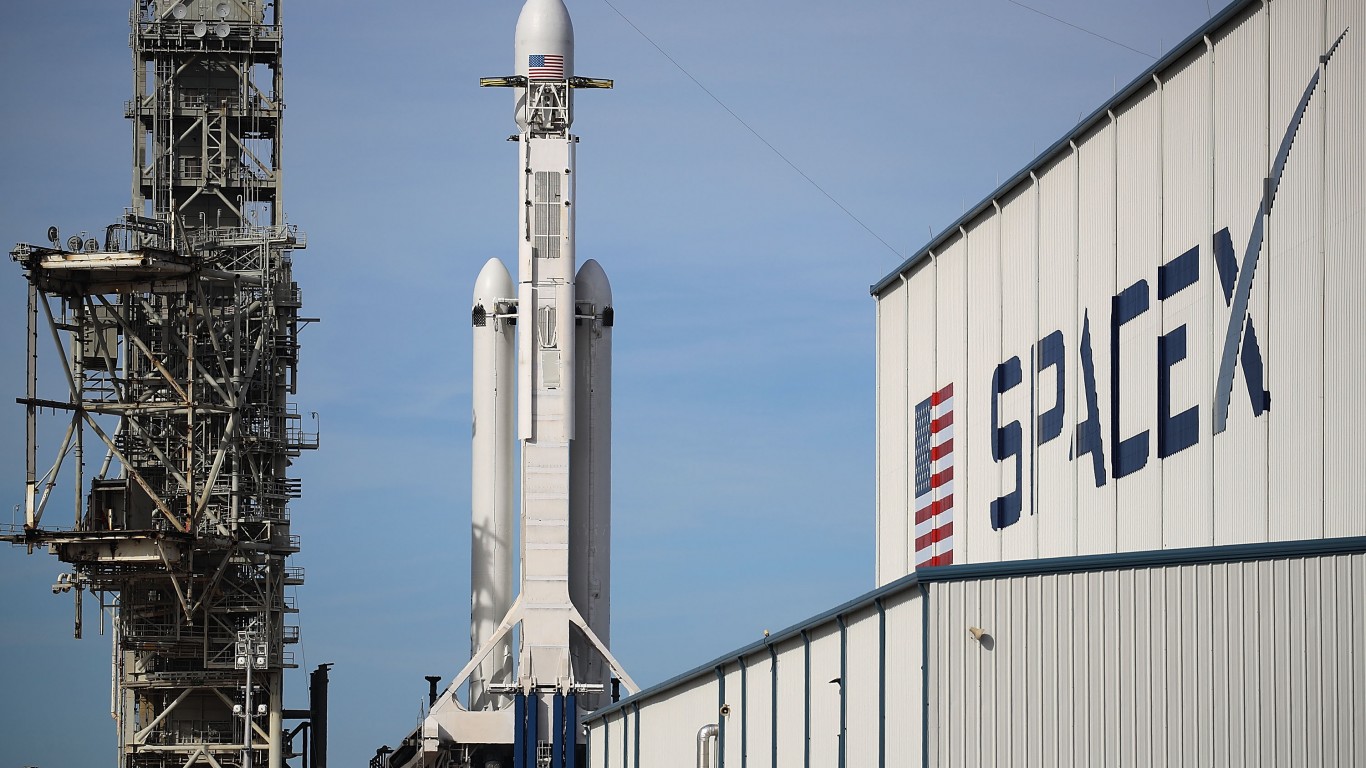
While SpaceX’s anticipated public debut has Wall Street salivating over what could be the most consequential IPO in a decade, the historical record offers a sobering warning. The company filed its S-1 in May, outlining three business segments: Space (Falcon and Starship launch services), Connectivity (the Starlink broadband network), and AI (X and Grok subscriptions). SpaceX’s first-quarter 2026 revenue rose 15% year over year (YoY), an increase of $627 million, driven almost entirely by Starlink subscriber growth while the Space segment actually contracted on fewer launch missions.
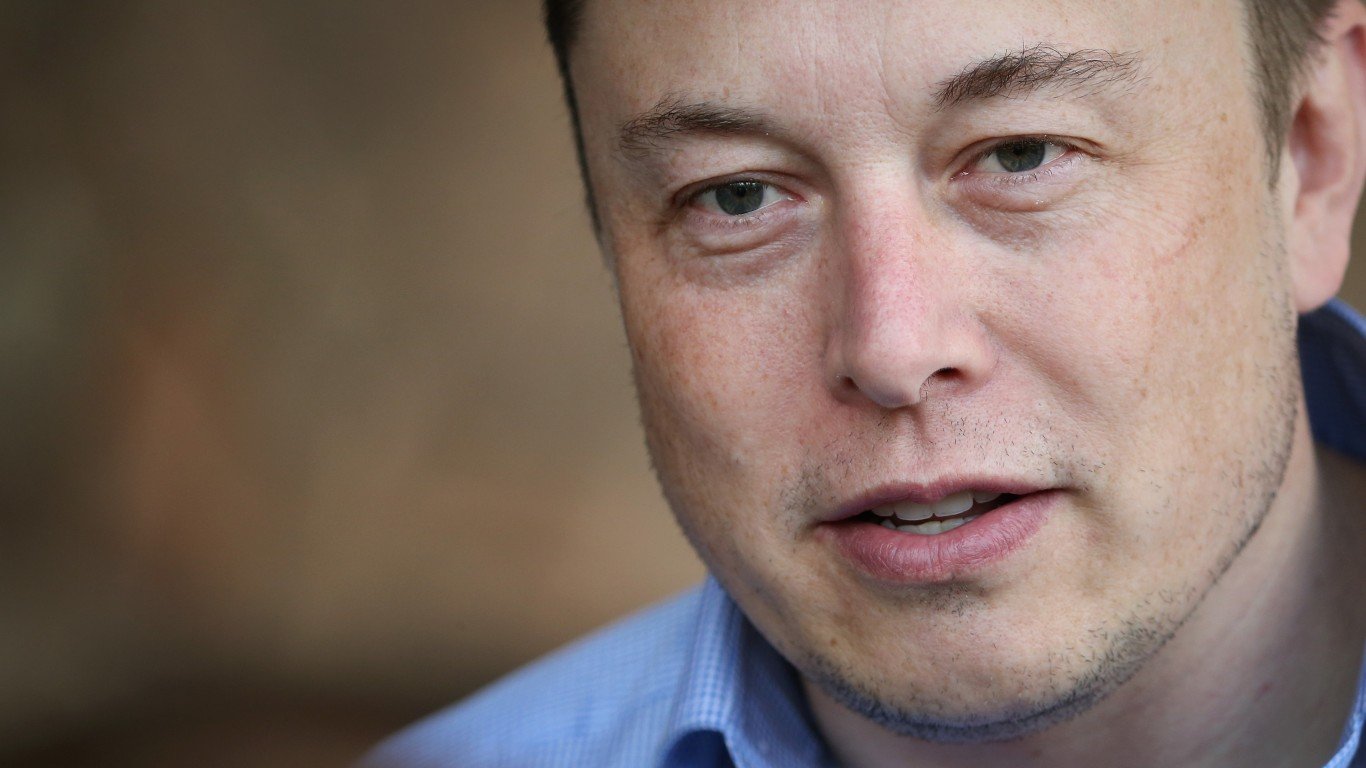
The headline numbers are real, and so is the corporate structure that investors would inherit. SpaceX intends to list under a dual-class arrangement with Class A carrying one vote per share, Class B carrying ten votes, and Class C carrying none. Tesla (NASDAQ:TSLA | TSLA Price Prediction) CEO Elon Musk will serve as Chief Executive Officer, Chief Technical Officer, and Chairman, with control over director elections under NASDAQ’s “controlled company” rules.
However, the most important data point for anyone buying the IPO sits outside of the SpaceX S-1 entirely. It lives in a Truist study cataloguing what tends to happen to marquee public debuts in their first 12 months.
The 55% Number Wall Street Should Be Watching
As reported by an X post from Josh Schafer, Truist’s Keith Lerner studied 30 major IPOs, and the standout figure is the average maximum first-year drawdown of -55%. The best-case maximum drawdown in the study was -20%. The worst was -90%, and they apply to some of the most celebrated names of the past decade.
The interim path is just as instructive. Across the group, the average return was +4% after one week, +4% after one month, +20% after three months, +1% after six months, and +14% after 12 months. That 12-month average looks respectable on its own.
The median, however, was -9%, meaning a typical major IPO lost value over its first year. The positive average was carried by a handful of outsized winners, and that gap between mean and median is where the cautionary tale lives.
Arm Holdings: The Outlier That Proves the Rule
The +14% 12-month average was led by names like Zoom Communications (NASDAQ:ZOOM), Palantir Technologies (NASDAQ:PLTR), MongoDB, and Arm Holdings (NASDAQ:ARM). Arm is the most recent example, and its post-IPO chart is exactly the volatility study a SpaceX buyer should review. The stock was priced in September 2023, vaulted on AI hype, and has since rewarded patient holders with a five-year return of 533% from its IPO close.

The journey has been anything but linear. ARM stock changed hands at $165.84 on November 5, 2025, then fell to $97.05 by February 4, 2026, a peak-to-trough swing of 41% in three months. It then rallied back to $222.12 by May 6, after prior 24/7 Wall St. coverage of the February earnings reaction caught the lower end of that range.
That round trip happened to a company posting Q4 FY2026 revenue of $1.49 billion, up 20% YoY, with non-GAAP diluted EPS of $0.60 and full-year free cash flow of $882 million. The valuation gut-check is the punchline: Arm carries a P/E ratio of 474x and a price-to-sales ratio of 87x, against an analyst target price of $241.19. Even dominant franchises can absorb brutal drawdowns when the multiple races ahead of the fundamentals.

Why SpaceX’s First-Year Volatility Could Be Amplified
Several SpaceX-specific factors could make the historical pattern more pronounced rather than less. The S-1 discloses that the company does not insure its in-orbit satellites and warns that investors could lose all or part of their investment in the Class A common stock. SpaceX’s AI segment generated revenue of $818 million in Q1 2026 but posted a loss from operations of $2.47 billion, with research and development expenses up 126% YoY as the company expanded its data center footprint.
Yet, the bull case is worth considering. SpaceX’s Connectivity segment delivered $11.39 billion in 2025 revenue with 50% YoY growth and segment adjusted EBITDA of $7.17 billion. The Space segment has been adjusted EBITDA positive on a sustained basis since 2018, the company has raised over $9 billion in equity capital since its 2002 founding, and a five-for-one stock split was approved in May.
The Long Memory Takeaway
Lerner’s data offers a realistic framework rather than a doomsday call. The average major IPO buyer endured a 55% drawdown at some point in year one, and the typical IPO actually lost value over 12 months. Even Arm Holdings, one of the study’s biggest winners, gave back 41% in three months on its way to a 533% multi-year gain.
Long term, Wall Street has typically historically rewarded patient owners of dominant franchises, and SpaceX may eventually join that list. The path there, however, tends to be far more volatile than launch-day headlines suggest. Investors who want exposure can consider sizing their positions to survive a drawdown closer to the study’s average than its best case.
That framework matters more than any single price target. History doesn’t promise a 55% drop in SpaceX stock, but it does suggest that such a drawdown would be entirely normal.
Contact [email protected] for any questions or corrections.
David Moadel is financial writer specializing in stocks, ETFs, options, precious metals, and Bitcoin. David has written well over 1,000 articles for leading online publications, helping investors understand markets, income strategies, and risk.His work has appeared in The Motley Fool, InvestorPlace, U.S. News & World Report, TipRanks, ValueWalk, Benzinga, Market Realist, TalkMarkets, Finmasters, 24/7 Wall St., and others.With a master’s degree in education, David has taught at the elementary, high school, and college levels. That teaching background shapes his writing style: clear, educational, and practical. David has also built a loyal social-media audience by providing trustworthy financial content on YouTube, X/Twitter, and StockTwits.