Trump Just Signed a Scaled-Back AI Executive Order: What the Voluntary 30-Day Review Means for Big Tech
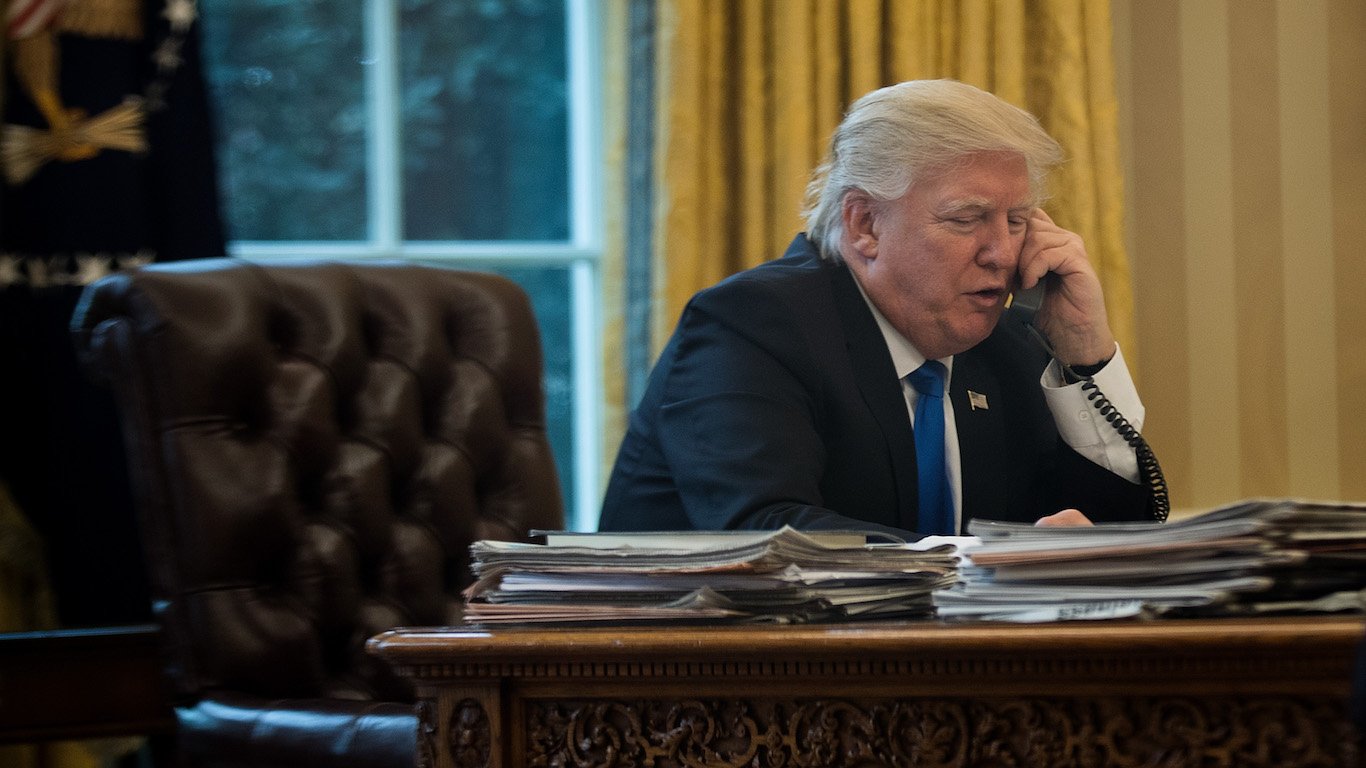
President Trump privately signed an artificial intelligence executive order that landed considerably softer than what Big Tech and its lobbyists had been bracing for. CNBC’s Megan Cassella, reporting on the development June 2, 2026, said the document “appears to be…

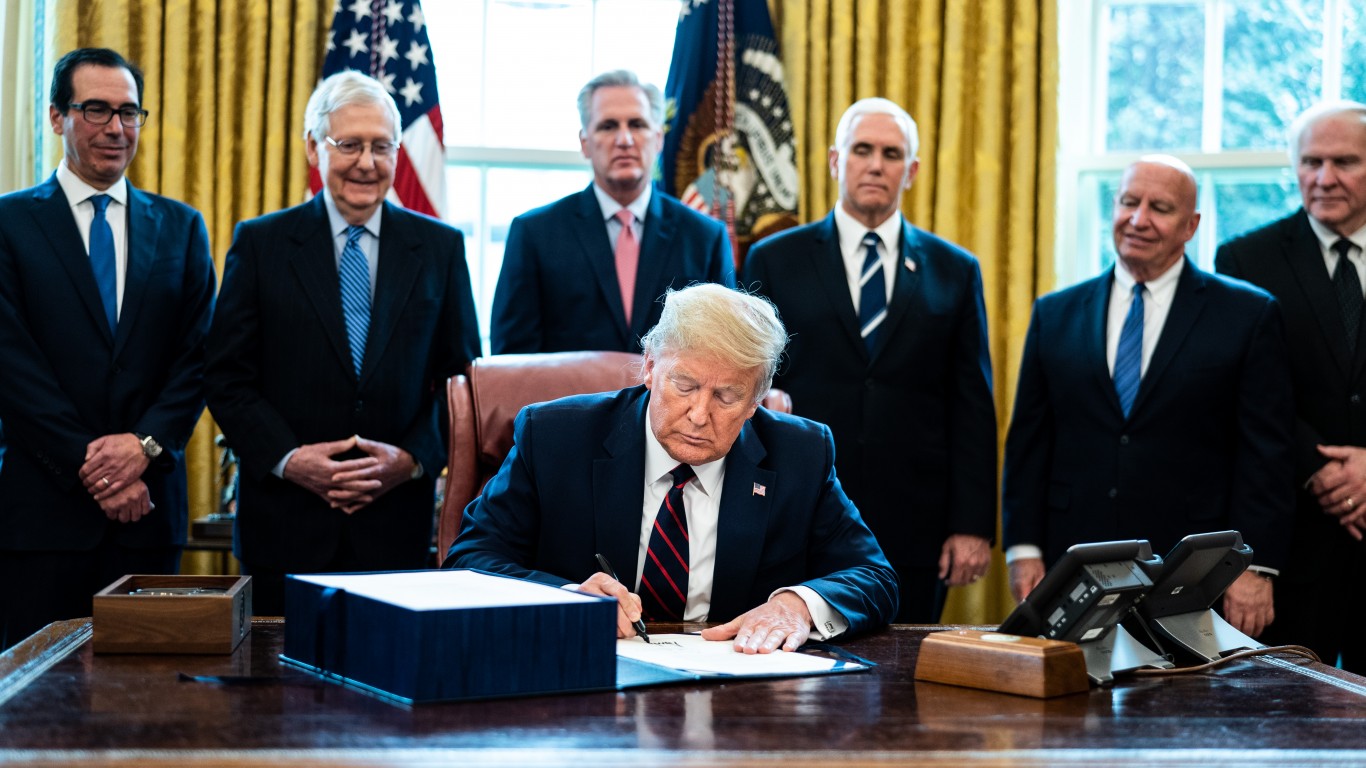
President Trump privately signed an artificial intelligence executive order that landed considerably softer than what Big Tech and its lobbyists had been bracing for.
CNBC’s Megan Cassella, reporting on the development June 2, 2026, said the document “appears to be a scaled back, slightly weaker version than what we had initially been expecting.” The White House had already scrapped an earlier draft two weeks ago following industry pushback, and the final version reflects that negotiation.
The mechanism it sets up is voluntary. AI developers can opt in to a process that flags certain models as “covered frontier models,” after which the federal government gets up to a 30-day early access window before those models are released to other trusted partners. The original proposal asked for 90 days. Crucially, the text states that “nothing shall be construed to authorize the creation of a mandatory governmental licensing, preclearance or permitting requirement” for these systems. For the five companies that dominate the AI capex narrative, that is the headline.
A 30-day voluntary window with no preclearance
Cassella’s phrasing matters. The framework, she said, is one “through which the developers will be able to engage with the federal government to determine which models under development will meet a new designation of covered frontier models.” Developers choose what to submit. They negotiate which partners receive early access. The government inspects. Then the model ships.
That posture is consistent with the administration’s broader stance under Executive Order 14179, Removing Barriers to American Leadership in Artificial Intelligence, which revoked prior AI policies viewed as innovation barriers. Voluntary regimes also reduce the legal overhang sitting on top of capex commitments.
The chip layer gets a tail risk removed
NVIDIA (NASDAQ:NVDA | NVDA Price Prediction) sits at the apex of any AI policy story. The company just reported Q1 FY2027 revenue of $81.61 billion, up 85.2% year over year, with Data Center revenue of $75.25 billion and Q2 guidance of $91 billion per its earnings filing. CEO Jensen Huang has called the buildout “the largest infrastructure expansion in human history.”
Furthermore, shares are up 8.2% over the past month and 13.7% year to date. Analysts have a $309 average target on NVDA stock. The voluntary framework removes a tail risk. Retail is split, though. Reddit’s r/investing has been chewing on Michael Burry’s “Fugazi” critique of the Elon Musk-Nvidia AI deal, and r/stockmarket is flagging H200 GPU rental prices down 38%. Demand worries are the live debate.
Hyperscaler capex was always going to win
The voluntary structure also vindicates the spending plans the hyperscalers had already committed to. Microsoft (NASDAQ:MSFT) disclosed an AI business at a $37 billion annual run rate, up 123% year over year, with commercial RPO of $627 billion.
Moreover, Alphabet (NASDAQ:GOOGL) guided 2026 capex to $175 billion to $185 billion and reported a Google Cloud backlog above $460 billion. Amazon (NASDAQ:AMZN) plans roughly $200 billion in capex this year, with AWS growing 28%, its fastest in 15 quarters. You don’t need to redraw any of these numbers. A mandatory licensing regime might have forced a rethink of the model release calendar. Voluntary engagement, with the developer choosing the partners, does not.
Meta’s frontier ambitions get the same green light
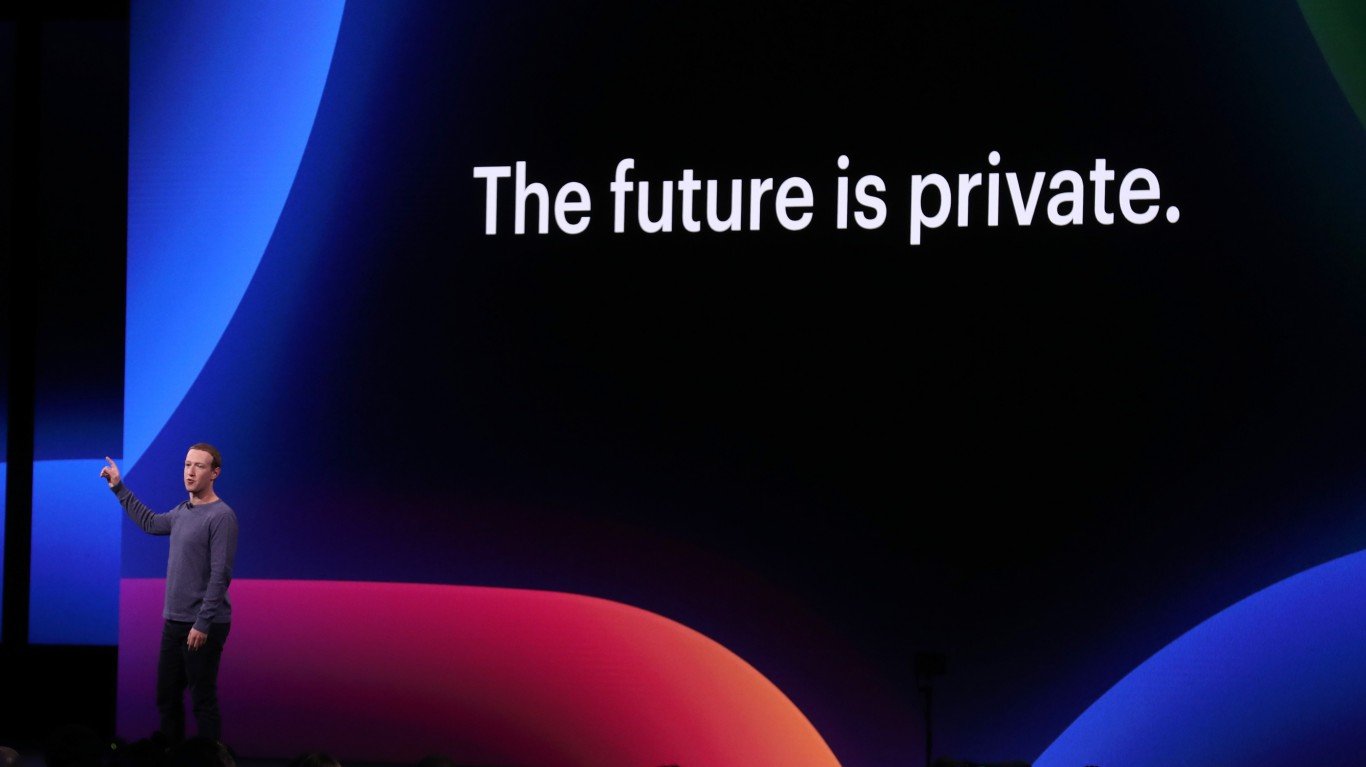
Meta Platforms (NASDAQ:META) shipped the first model from Meta Superintelligence Labs last quarter and raised 2026 capex guidance to $125 billion to $145 billion. Mark Zuckerberg’s stated goal of “personal superintelligence to billions of people” assumes the freedom to push frontier weights into production on Meta’s own timeline.
The 30-day voluntary review does not block that. Meta shares are down 4% year to date, dragged by Reality Labs losses of $4.03 billion. The takeaway across all five names is consistent. Washington just removed an asterisk. Whether the underlying AI demand curve can absorb the capex these companies have promised is the question that remains, and that is a market question.
Contact [email protected] for any questions or corrections.
Omor Ibne Ehsan is a writer at 24/7 Wall St. He is a self-taught investor with a focus on growth, cyclical, and dividend equities that have strong fundamentals, value, and long-term potential. He also has an interest in high-risk, high-reward investments such as penny stocks.