Why Tortoise AI Infrastructure ETF (TCAI) Is One the Best AI ETFs
Data centers used to top out at around 50 megawatts. The next wave of facilities will draw more than a gigawatt apiece, consuming more power than entire cities the size of San Francisco. That shift is rewiring the economics of…


Data centers used to top out at around 50 megawatts. The next wave of facilities will draw more than a gigawatt apiece, consuming more power than entire cities the size of San Francisco. That shift is rewiring the economics of utilities, optical networking vendors, and electrical contractors all at once, and it is the structural bet behind the Tortoise AI Infrastructure ETF (NYSEARCA:TCAI).
TCAI is the eighth fund covered in 24/7 Wall St.’s companion series to Eric Bleeker’s AI ETF video breakdown, and it earns its slot precisely because most AI funds skip the part of the stack that keeps the GPUs humming: power generation, transmission, cooling, and the optical links that move data between buildings. If you already own a broad AI fund heavy in NVIDIA and the hyperscalers, this is the fund that fills the gap.
Watch Eric Bleeker’s Full AI ETF Breakdown
If this video isn’t visible, you can view it at: https://www.youtube.com/watch?v=r43CbeJ43P4
The full ranking and the reasoning behind why TCAI made Bleeker’s shortlist of four AI ETFs anyone in this space needs to know is laid out in the 24/7 Wall St. video, alongside Roundhill’s CHAT, the Robo Global Robotics and Automation ETF, and the VanEck Semiconductor ETF.
Why a Targeted Infrastructure Fund Matters Now
The Department of Energy projects data centers will account for up to 12% of U.S. electrical demand by 2028. Lawrence Berkeley National Laboratory pegs the trajectory from 1.9% of U.S. electricity consumption in 2018 to 4.4% in 2023, with a path toward double digits before the decade ends. A single hyperscale site can now draw over a gigawatt, equivalent to powering roughly 750,000 homes.
That demand has to be served by somebody. Utilities are queuing transmission projects, independent power producers are signing long-dated contracts directly with hyperscalers, and electrical contractors are booking multi-year backlogs. None of that flows through a chip designer’s income statement. It flows through the companies TCAI is built around.
What TCAI Actually Owns
TCAI is small. Bleeker noted assets under management of roughly $114 million as of filming, which is a fraction of what the headline AI ETFs carry. The tradeoff for that smaller footprint is concentration in a specific thesis rather than another repackaging of the Magnificent Seven.
The portfolio splits roughly into three buckets that, together, form what Bleeker calls the “complete package” for the infrastructure buildout:
- Inside the data center. Optical networking and connectivity vendors that move traffic between racks, buildings, and metros. Ciena (NYSE:CIEN | CIEN Price Prediction) is the marquee name here, and Bleeker flagged it as a stock he had separately recommended in the AI investor portfolio. Ciena shares trade around $536, with the stock having more than doubled year to date as orders for high-capacity optical gear stacked up.
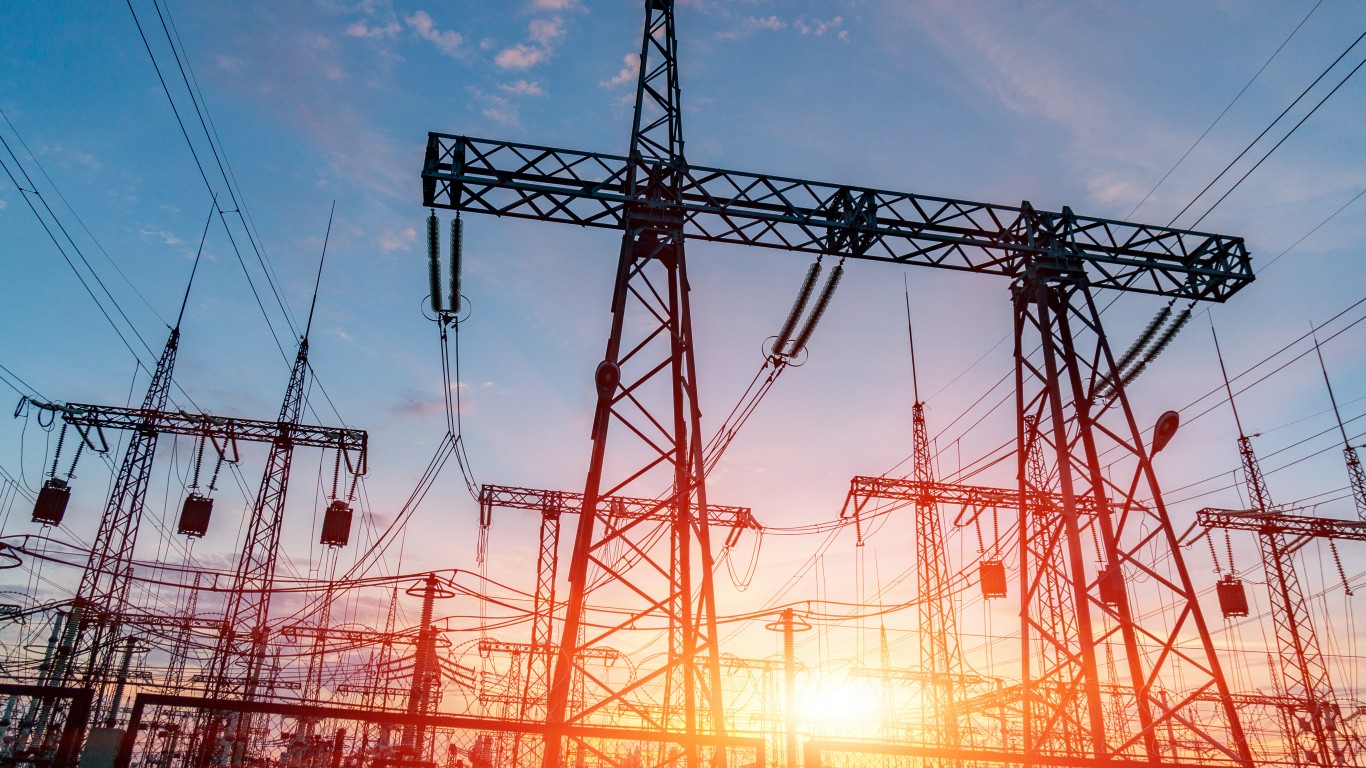
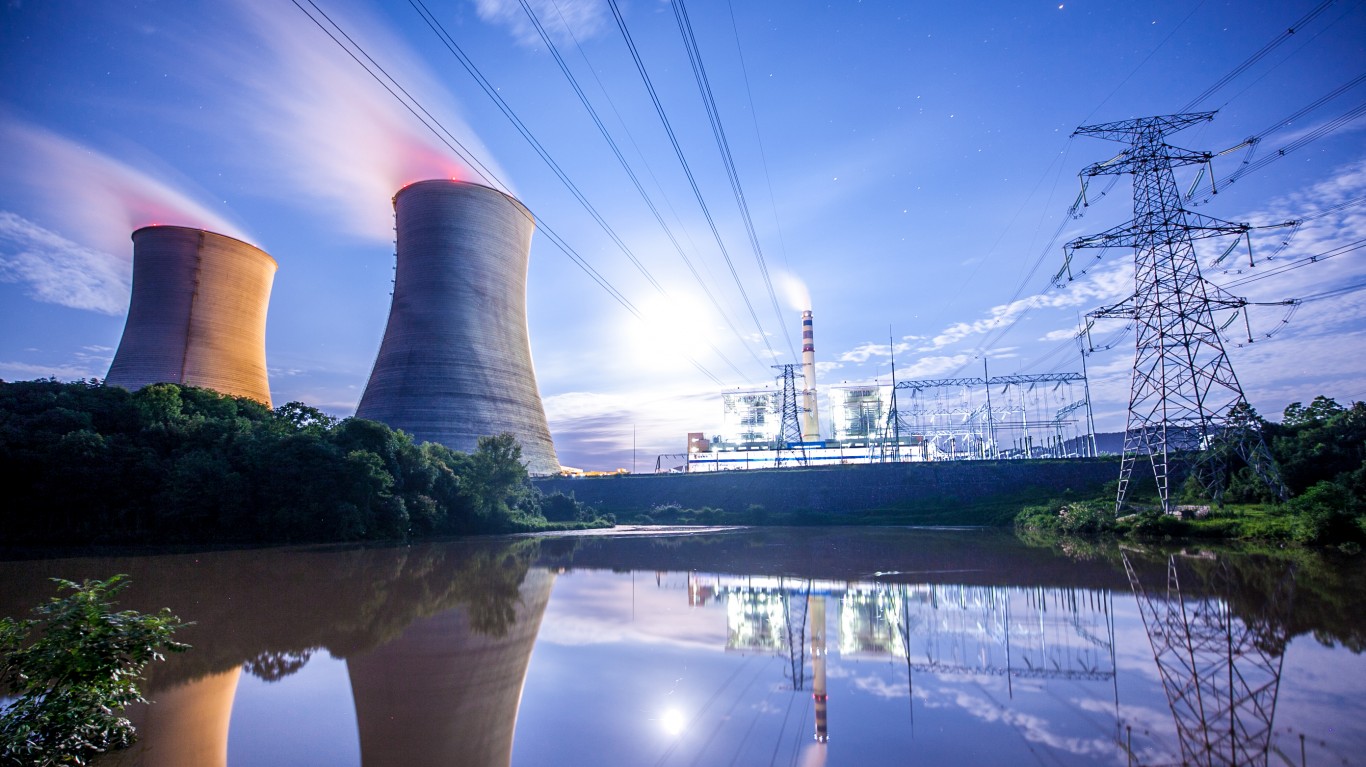
- Powering the data center. Independent power producers with the rare ability to deliver firm, carbon-light electricity at gigawatt scale. Constellation Energy (NASDAQ:CEG) is the cornerstone of this bucket, described in the transcript as a leading independent power producer with a large amount of nuclear capacity. The stock has cooled, sitting near $265 after a 25% pullback year to date, but it still trades roughly five times its 2022 level. That round trip is exactly the volatility a single-stock picker eats but a basket softens.
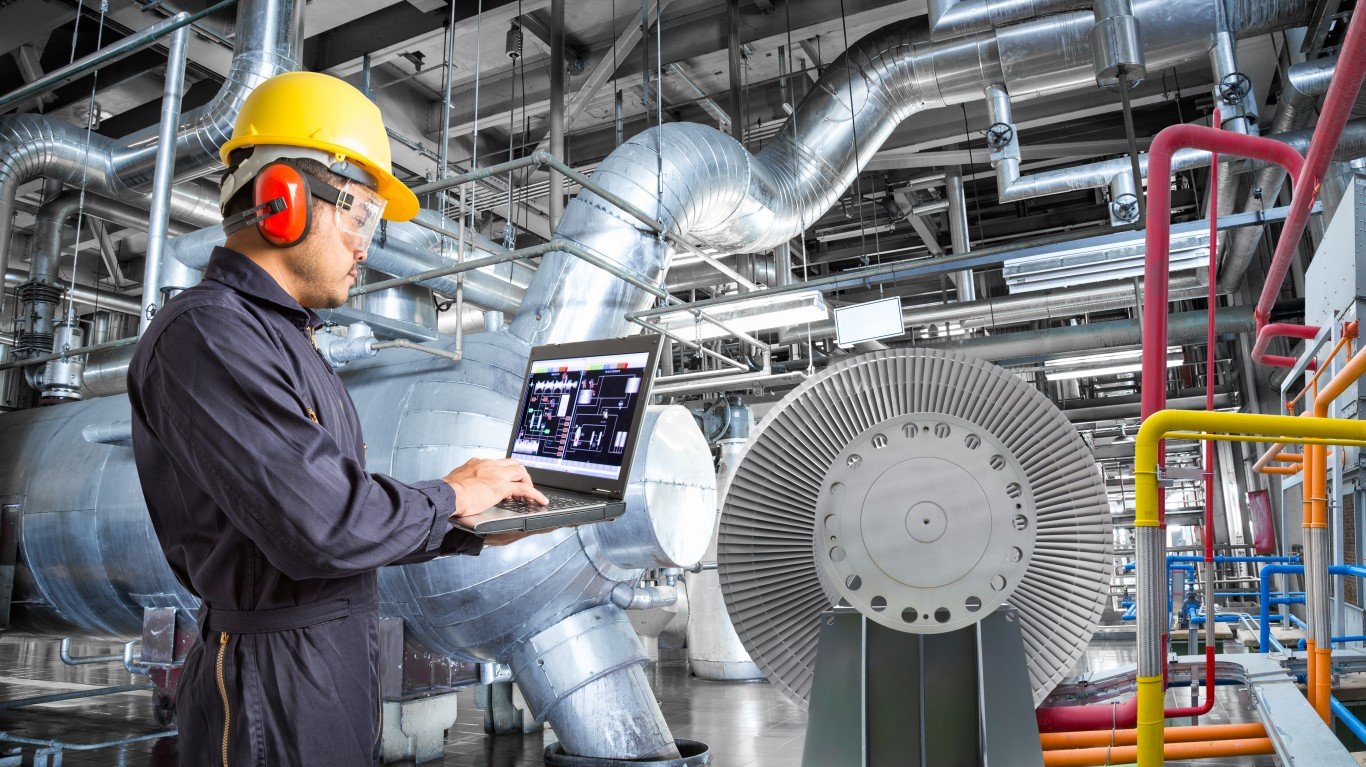
- Building the power infrastructure. Thermal management, switchgear, and the electrical contractors that physically build the substations and feeders. Vertiv (NYSE:VRT) anchors the cooling and power-distribution exposure, and Quanta Services (NYSE:PWR) is the engineering and construction muscle behind transmission upgrades. As Bleeker put it, these are essential for power infrastructure.
The investment logic running through all three buckets is that the bottleneck for AI in 2026 is interconnect, electricity, and the people pouring concrete and pulling cable. TCAI is the rare fund where the holdings actually map to that bottleneck.
The Performance Backdrop
TCAI shares change hands around $55, up roughly 85% year to date and 118% over the past year. That kind of move tells you two things. First, the market has already begun rerating the power-and-pipes side of the AI trade. Second, a fund this concentrated will move in both directions with force when sentiment shifts on any one of its anchor positions, as the recent 17% one-month drawdown in Constellation illustrates.
Tradeoffs Worth Naming
Three things deserve attention before adding TCAI to a portfolio.
The fund is new and small. A $114 million AUM base means tighter spreads and shallower liquidity than the megacap-heavy AI funds. That is acceptable for long-horizon positioning, less so for traders sizing larger blocks.
Concentration cuts both ways. The whole point of TCAI is that it avoids diluting the infrastructure thesis with another helping of Apple and Microsoft. The flip side is that a regulatory setback for nuclear relicensing, a slowdown in hyperscaler capex, or a transmission-cost reset by state utility commissions hits this fund harder than a diversified tech ETF. State legislatures from California to Maryland are already moving on large-load tariffs that could reshape data center economics.
Finally, Tortoise works best in a group of ETFs. To see Eric’s preferred strategy for getting exposure across AI ETFs, watch the full video where he outlines his strategy.
Who This Fund Fits
TCAI is built for the investor who already has exposure to chips and the hyperscalers and now wants the second-order beneficiaries of the buildout: the utility selling the megawatt, the contractor building the substation, the cooling vendor keeping the GPUs from melting, and the optical specialist linking it all together. It is the picks-and-shovels expression of AI.
For readers who want a single AI fund and prefer the diversification of a broader basket, the higher-AUM funds Bleeker covers elsewhere in the series fit better. For readers who believe the next bottleneck for AI is electrons and steel rather than silicon, TCAI is the most direct way to put capital against that view.
Contact [email protected] for any questions or corrections.
Eric Bleeker, CFA has been investing for more than 20 years. He began his career working at Microsoft before joining Motley Fool, one of the largest publishers of financial research. In his 15 years at Motley Fool Eric served as the General Manager for Fool.com and led coverage in the Technology & Telecom sector. In addition, he was a featured columnist and has hosted dozens of investing seminars attended by more than a million total investors. Eric has more than 1,000 financial bylines to his name and has been featured in The Wall Street Journal, CNBC, Fox Business, and many other leading publications. He is currently focused on artificial intelligence investing and is a CFA Charterholoder.