A Hot Inflation Report and a Strong Jobs Report Just Trapped Trump’s New Fed Chair
Kevin Warsh took over the Federal Reserve to lower interest rates. Two government reports in the past week made that much harder, just days before his first meeting in charge. Kevin Warsh stepped into one of the hardest jobs in…

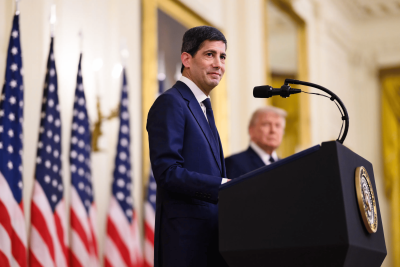
Kevin Warsh took over the Federal Reserve to lower interest rates. Two government reports in the past week made that much harder, just days before his first meeting in charge.
Kevin Warsh stepped into one of the hardest jobs in Washington in late May, when he was sworn in as the new chair of the Federal Reserve, the central bank that sets the country’s interest rate policy. President Trump picked him in large part because Warsh was seen as someone who would push to lower rates and make borrowing cheaper.
Then the economy handed him a problem. Two major reports landed in the past week, and both point away from the rate cuts Trump wants.
The jobs report said the economy is fine
The first was the May jobs report, released June 5. Employers added 172,000 jobs, more than double what forecasters expected, and the unemployment rate held steady at 4.3%. Figures for March and April were both revised higher.
A weak job market is the usual reason for the Fed to cut rates. This report did the opposite of making that case. One economist summed it up by saying there was no sign the job market needs any help at all.
The inflation report said prices are heating up
The second report landed Wednesday. The Consumer Price Index, the government’s main measure of inflation, showed prices rose 4.2% over the past year. That is the highest reading since 2023 and the first time inflation has topped 4% in three years. It was also the third month in a row that the annual rate climbed, driven mostly by a jump in energy prices.
Rising inflation is the classic reason for the Fed to hold rates steady or even raise them, not cut. So the two reports together box Warsh in. One says the economy does not need help, and the other says cutting now could pour fuel on inflation.
Why this is a trap
Here is the bind. Warsh was widely viewed as Trump’s market-friendly choice, someone expected to favor lower rates. Trump has said as much, suggesting earlier that Warsh would not have gotten the job if he had wanted to raise rates.
Now the first economic data of Warsh’s tenure argues against cutting, and in some corners even revives talk of a hike. That puts him in a tough spot with the man who appointed him.
Trump is still pushing for cuts
Trump has not backed off. In a recent NBC interview, he said there is “no reason to raise interest rates,” and argued that higher rates try to kill a successful economy rather than reward it. He said he wants Warsh to do whatever he wants, while leaving little doubt about what he thinks that should be.
The Fed is designed to operate independently of the White House, so it can make unpopular decisions without political interference. That independence is exactly what is being tested in Warsh’s opening weeks.
All eyes on June 17
Warsh’s first meeting as chair runs June 16 and 17, with the rate decision and his first press conference on the 17th. The Fed has held its benchmark rate at a range of 3.50% to 3.75% for several meetings, and most investors expect no change this time either.
That alone would fall short of Trump’s call for cuts. What markets will study even more closely is the tone Warsh sets and the language he uses, for clues about where rates head for the rest of 2026.
What to watch
A few cautions are worth keeping in mind. The strong jobs headline masked some softness, including a rising share of people stuck in long-term unemployment. And the inflation spike was driven heavily by energy prices, which can reverse quickly. If prices cool over the summer, the pressure on Warsh could ease.
For now, though, the new Fed chair is caught between an economy that looks too strong to need cuts and a president who wants them anyway. His first big decision is only days away.
Contact [email protected] for any questions or corrections.
Don Lair writes about options income, dividend strategy, and the kind of boring-but-durable investing that actually funds retirement. He's the founder of FITools.com, an independent contributor to 24/7 Wall St., and a former writer for The Motley Fool.