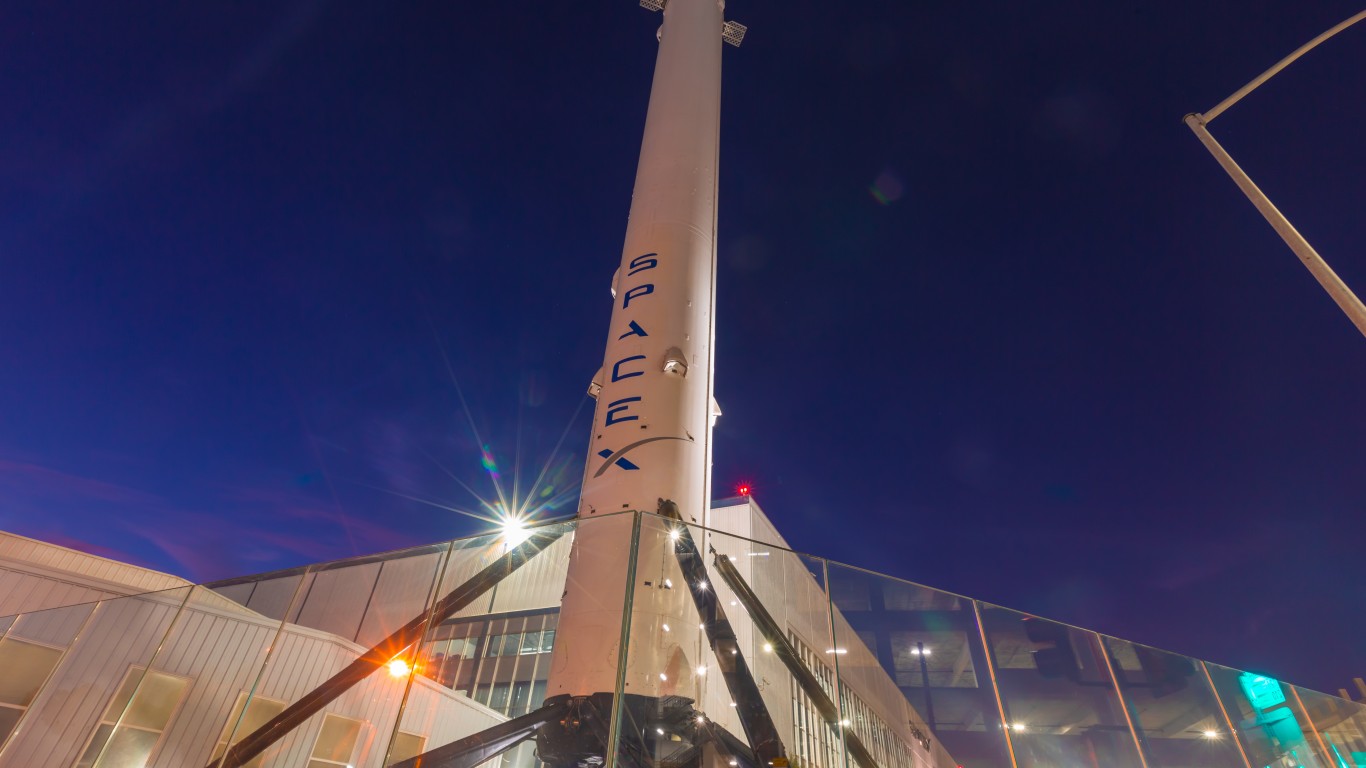
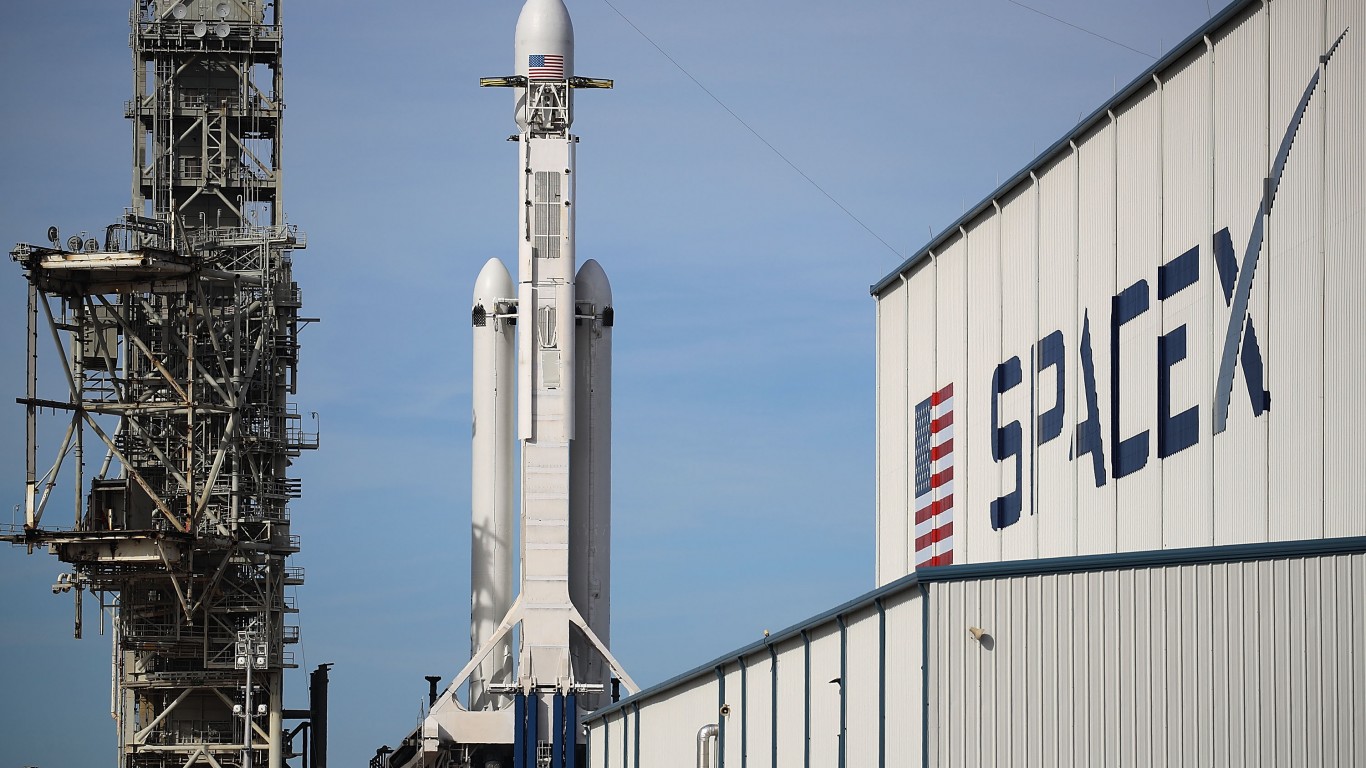
SpaceX IPOs on Friday. The 55% rule says don’t chase it.
For much of the past month, Wall Street has been chanting the same three letters: SPCX, the Nasdaq ticker SpaceX intends to use when it begins trading on June 12, 2026. Retail investors have piled into the Destiny Tech100 vehicle,…


For much of the past month, Wall Street has been chanting the same three letters: SPCX, the Nasdaq ticker SpaceX intends to use when it begins trading on June 12, 2026. Retail investors have piled into the Destiny Tech100 vehicle, prediction markets have lit up, and r/wallstreetbets has turned a single post titled “$8 to $2500 while shitting” into a 4,298-upvote shrine to opening-day euphoria. But the long memory of the IPO market keeps tolling the same warning bell. The hottest debuts of the last decade have rarely behaved themselves in year one, and a podcast clip this week put the pattern into numbers that should make every IPO-day buyer pause.
On a recent Rich Habits Podcast episode, host Austin Hankwitz crunched the hottest IPOs of the last 10 to 15 years and produced a stat that cuts against the current mood. The average 12-month return was roughly 14%. The average maximum drawdown along the way was a 55% peak-to-trough decline, with a median of 54%. In plain English: if you bought the hottest IPOs of the modern era on day one, your stock was, on average, cut in half at some point before delivering a mediocre full-year gain.
The historical record reflects that math closely when you put real names against it. As we have noted in prior IPO coverage, the first-year tape rarely flatters the loudest debuts.
The Receipts From 2012 To 2019
Consider Meta Platforms (NASDAQ:META | META Price Prediction), the social-media titan formerly known as Facebook and Hankwitz’s exemplar. The stock priced at $38 in May 2012, and by September 4, 2012, shares had skidded to $17.59, a 54% drawdown in barely four months. Hankwitz said a 54% max drawdown that took 14 months to recover, despite being a “massive, cool, fun, sexy name.” Long-term holders were of course richly rewarded. Meta trades near $570.98 today, a 393% ten-year gain. Day-one buyers just had to survive the first chapter to enjoy the rest. The latest figures are confirmed in Meta’s Q1 2026 SEC filing.
Snap (NYSE:SNAP) is the cautionary version. The Snapchat parent debuted at $17 in March 2017, then collapsed to $4.99 by late December 2018, an 80% drawdown from its first trading print. Nine years later, Snap still has not made IPO-day buyers whole. Market cap sits at $9.36 billion, the analyst target price is $7.63, and the stock recently traded at $5.38. Sometimes the rebound is the bigger story. Sometimes there is no rebound.
Uber (NYSE:UBER) splits the difference. The ride-hail giant priced at $45 in May 2019, then slid to $31.37 by November 1, 2019, down roughly 25% against its opening trade, and kept rattling lower into 2020 before doing real work. Pinterest (NYSE:PINS) walked the boomerang path. It vaulted to roughly $89 in 2021 before crashing back, and the visual-search platform now trades at just $21.77, a 68% drop over five years.
Four names, four ways to lose half your money in year one. That is the pattern Hankwitz is putting in front of the SpaceX class.
Why The Pattern Repeats
Hankwitz’s mechanical explanation is portfolio rotation. To fund IPO allocations, investors “sell their Micron that’s up 250%”, which means the marginal buyer of a hot debut is also the marginal seller of last year’s winner. The euphoria fades within weeks, and a 3 to 4 month window often delivers a 30% to 50% drop as lockups loosen, insiders trim, and the institutional float thickens. I have been watching IPO seasons since the 2012 Facebook flop, and the rhythm has not really changed. Benjamin Graham’s old line still earns its keep: “IPO does not only stand for initial public offering, but it also stands for it’s probably overpriced.”
The Valuation Gut-Check
SpaceX is being marketed, per Hankwitz, at $135 per share, with reported pricing implying roughly 100x 2025 revenue. Polymarket pegs a 94% probability of opening above the IPO price and a 61% probability of closing the first day in the $150 to $200 range. For comparison, Meta now trades at about 20x earnings with a free-cash-flow yield near 3.7% after a decade of compounding. The cleanest IPO winners eventually grow into their multiple. The first-year price action is whether you sit through that growth or get shaken out at the bottom of it.
What To Watch
Hankwitz’s prescription is plain. “Take a deep breath. Give it some time, add it to the watch list… and as the stock settles, gets more predictable, then feel free to dollar cost average, assuming you have a deep conviction in the business.” Do not sell a strong existing position to fund a euphoric IPO. Mark the 3 to 4 month window when lockups and rotation typically rattle the chart. Reddit sentiment on SPCX has already flipped, with the score sliding from 82 (very bullish) on May 25 to 32 (bearish) by June 10, even as activity spikes. Crowds rarely buy the dip they are creating.
Wall Street still heads higher over the decades to come, and the real IPO winners of the next ten years are almost certainly hiding inside this class. The 55% drawdown rule is a posture. Long memory says the first-year chart is brutal and the long-term chart is generous. Position accordingly.
Contact [email protected] for any questions or corrections.
I've been writing about stocks and personal finance for 20+ years. I believe all great companies are tech companies in the long run, and I invest accordingly.