3 Billionaires Dumped Alphabet in Q1. 2 Billionaires Bought More. The Winners Are Clear
When 13F filings for Q1 2026 hit in May, the smart-money positioning on Alphabet (NASDAQ:GOOGL | GOOGL Price Prediction) split clean down the middle. On the sell side, Stanley Druckenmiller exited his entire 385,000-share position (roughly $153 million), Brad Gerstner’s…


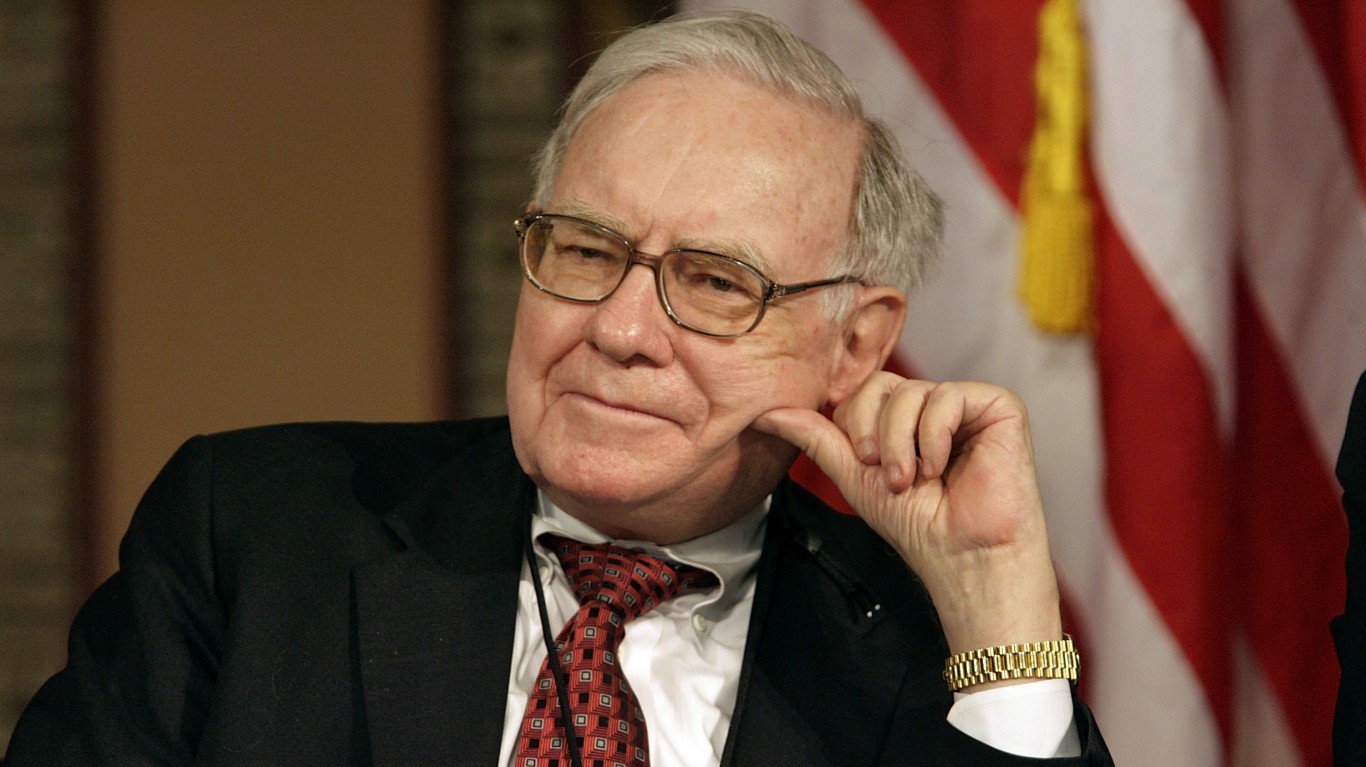
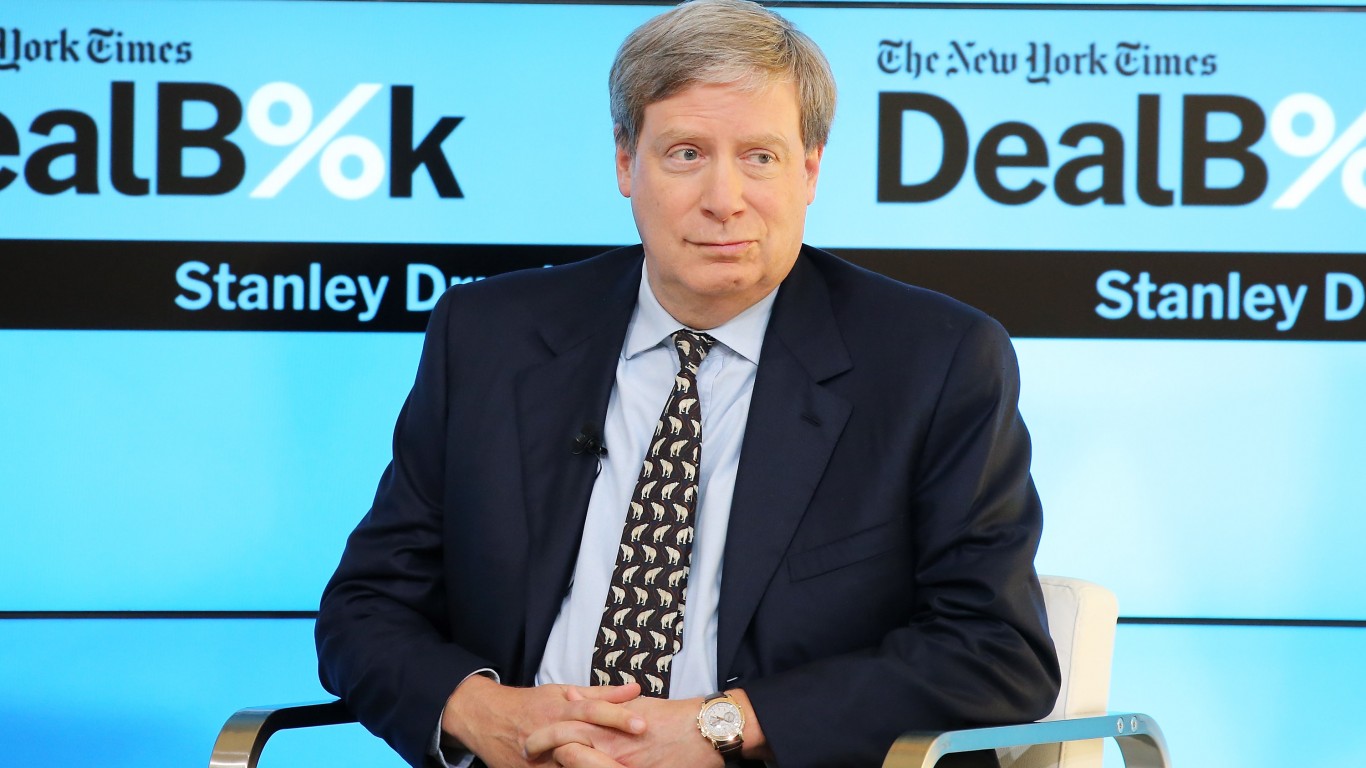
When 13F filings for Q1 2026 hit in May, the smart-money positioning on Alphabet (NASDAQ:GOOGL | GOOGL Price Prediction) split clean down the middle. On the sell side, Stanley Druckenmiller exited his entire 385,000-share position (roughly $153 million), Brad Gerstner’s Altimeter sold all 519,290 shares (roughly $162.5 million), and Bill Ackman trimmed his Class C holding from about 6.1 million shares to 312,000 and his Class A from 678,000 to 32,000. On the buy side, Greg Abel’s Berkshire Hathaway (NYSE:BRK-B) nearly tripled its stake to 57.8 million shares, worth roughly $16.6 billion and Berkshire’s fifth-largest equity holding, while Chase Coleman’s Tiger Global initiated a new position.
Since the quarter closed on March 31, Alphabet has been the better trade. The stock is up 24% from $287.39 to $356.38 through June 10, even after pulling back 8% over the past month. Berkshire shares, by contrast, are up only 1% over the same window. The buyers are ahead, at least on paper, and the bears are watching from outside.
What Abel and Coleman Apparently Saw
The Q1 2026 earnings report, released April 29 with the stock at $347.84, made the bull case loud. EPS of $5.11 crushed the $2.63 consensus, a 94% beat, on revenue of $109.9 billion, up 22% year over year. Operating margin expanded to 36%. Google Cloud, the segment most directly tied to the AI thesis, grew 63% to $20.03 billion, with backlog nearly doubling quarter over quarter to more than $460 billion.
That backlog number is the tell. It signals years of contracted cloud revenue, which justifies the $175 billion to $185 billion of 2026 CapEx that the sellers found indigestible. Druckenmiller and Gerstner appear to have walked over concerns that the spending would crush free cash flow. Free cash flow did fall to $10.12 billion, down 47% year over year. The buyers seem to view that as the price of building infrastructure to monetize a near-doubled cloud pipeline.
The Valuation Argument
Alphabet still trades at a trailing P/E of 28 and a forward P/E of 26, with return on equity of 39%. The analyst target sits at $431.76, with 14 strong buys, 43 buys, and zero sells. For Abel, who is steering Berkshire’s post-Buffett capital deployment, a mega-cap compounder with a 36% operating margin, growing dividend (raised 5% to $0.22 quarterly), and a deep cloud moat fits the playbook.
Should Retail Follow?
The thesis worth borrowing is straightforward: Alphabet’s AI spending is converting into bookable backlog that protects the long-term earnings trajectory. The risk worth respecting is the same one Druckenmiller and Gerstner cited with their feet, which is that capital intensity stays elevated and compresses returns if cloud demand slows.
For a retirement-focused investor, the Abel side of the trade is the more conservative read. A diversified business growing earnings 82% year over year at a forward multiple in the mid-20s, paying a modest but rising dividend, is the kind of position that does not require timing. Following the buyers here means accepting near-term volatility in exchange for owning the infrastructure layer of AI. That trade-off has — so far — paid the buyers.
Contact [email protected] for any questions or corrections.
Joel South covers large-cap stocks, dividend investing, and major market trends, with a focus on earnings analysis, valuation, and turning complex data into actionable insights for investors.
He brings more than 15 years of experience as an investor and financial journalist, including 12 years at The Motley Fool, where he served as an investment analyst, Bureau Chief, and later led the Fool.com investing news desk. He has also co-hosted an investing podcast and appeared across TV and radio discussing market trends.