Opinion: 5 Days Until the Fed Picks Wall Street over Main Street — Again
The stock market has spent much of 2026 focused on artificial intelligence, record corporate spending, and a surprisingly resilient economy. Yet beneath the surface, another market has been flashing warning signals. The bond market, often called the “smart money” because…

The stock market has spent much of 2026 focused on artificial intelligence, record corporate spending, and a surprisingly resilient economy. Yet beneath the surface, another market has been flashing warning signals. The bond market, often called the “smart money” because of its sensitivity to inflation and economic conditions, is increasingly signaling that interest rates may need to move higher, not lower.
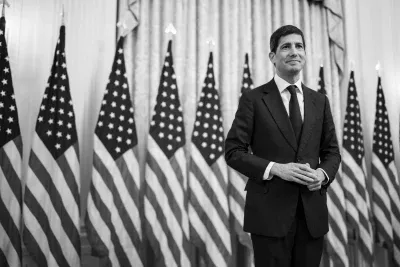
That creates an early challenge for new Federal Reserve Chair Kevin Warsh. Investors who once expected multiple rate cuts this year are now preparing for the possibility that the Fed’s next move could be a hike instead. The shift has been swift, and it carries implications for stocks, bonds, mortgages, and consumer borrowing costs alike.
The Bond Market Has Changed Its Mind
At the start of the year, many traders expected the Fed to lower rates as economic growth cooled. Instead, inflation proved more stubborn than anticipated.
According to recent inflation data, consumer prices rose 4.2% year over year, more than double the Fed’s long-term 2% target. Meanwhile, May payrolls increased by 172,000 jobs while unemployment held at 4.3%, showing the labor market remains healthy despite higher borrowing costs. Producer prices, though, surged to 6.5% in May, the highest reading since November 2022.
Bond investors responded accordingly.
| Indicator | Current Level |
| Fed Funds Rate | 3.50% – 3.75% |
| 2-Year Treasury Yield | 4.06% |
| 10-Year Treasury Yield | 4.55% |
| CPI Inflation | 4.2% |
| PPI Inflation | 6.5% |
The key figure is the 2-year Treasury yield. Because it closely tracks expectations for Fed policy, its recent rise above 4.1% — it peaked above 4.20% on Monday, but is down to 4.06% today — suggests investors believe rates may need to increase before inflation returns to target.
Why Traders Want Warsh to Act
Higher rates are unpopular because they raise borrowing costs on credit cards, auto loans, and mortgages. Yet bond investors are focused on something else: credibility.
If inflation remains elevated for too long, consumers and businesses begin expecting prices to keep rising. Those expectations can become self-reinforcing as workers demand higher wages and companies pass costs along to customers.
That concern was echoed by Dallas Fed President Lorie Logan, who recently said economic conditions could require another rate increase later this year. Her comments helped reinforce a growing view that fighting inflation must remain the Fed’s top priority.
Surprisingly, even some investors who originally expected Warsh to pursue lower rates have reversed course. Interest-rate futures now fully price in the possibility of at least one rate increase before the end of next year.
What It Means for Investors
Higher rates are not automatically bad news for investors. While expensive borrowing can pressure speculative stocks and slow economic growth, inflation that remains unchecked can be even more damaging because it erodes purchasing power and creates uncertainty for businesses.
History shows markets often perform better when investors trust the Fed to maintain price stability. That trust keeps long-term borrowing costs lower and supports sustainable economic growth.
For stock investors, the message is straightforward: focus on companies with strong cash flow, pricing power, and manageable debt levels. For bond investors, today’s elevated Treasury yields offer income opportunities that barely existed a few years ago.
Key Takeaway
In short, the bond market is delivering Warsh his first major test. Traders are not demanding lower rates, stimulus, or easier money. They are asking the Fed to prove that inflation control remains the priority.
Whether Warsh ultimately raises rates or not, the market has already spoken. Two-year Treasury yields around 4.1%, inflation running at 4.2%, and growing expectations of future tightening all point in the same direction.
For investors, the lesson is clear: stop assuming rate cuts are inevitable. The bigger opportunity may come from recognizing that the economic story has changed — and positioning portfolios before everyone else catches up.
Contact [email protected] for any questions or corrections.
After two decades of patrolling the dark corners of suburbia as a police officer, Rich Duprey hung up his badge and gun to begin writing full time about stocks and investing. For the past 20 years, he’s been cruising the markets looking for companies to lock up as long-term holdings in a portfolio while writing extensively on the broad sectors of consumer goods, technology, and industrials. Because his experience isn’t from the typical financial analyst track, Rich is able to break down complex topics into understandable and useful action points for the average investor. His writings have appeared on The Motley Fool, InvestorPlace, Yahoo! Finance, Money Morning, and, of course, 24/7 Wall St. He has been featured in both U.S. and international publications, including MarketWatch, Financial Times, Forbes, Fast Company, and USA Today.