What It Takes to Retire in the Town With Florida Winters and Colorado Summers
Splitting retirement between a Gulf Coast condo and a Colorado mountain town sounds like the dream, but most couples budget for two addresses and forget they are also buying two sets of climate catastrophes, two state tax fights, and a…

This post may contain links from our sponsors and affiliates, and Flywheel Publishing may receive compensation for actions taken through them.

Nobody actually lives in a single town with Florida winters and Colorado summers. That town is a construction: a condo near the Gulf, a place in the Rockies, and a calendar built around avoiding hurricanes and shoveling snow. It is one of the most-asked retirement scenarios from readers in their late fifties and early sixties: we love the beach in February and the mountains in July, can we actually pull this off? The answer is yes, but the arithmetic reflects a two-address life, and the carrying costs and tax mechanics are where most people underestimate the target by a quarter million dollars or more.
The Real Cost of a Two-Address Life
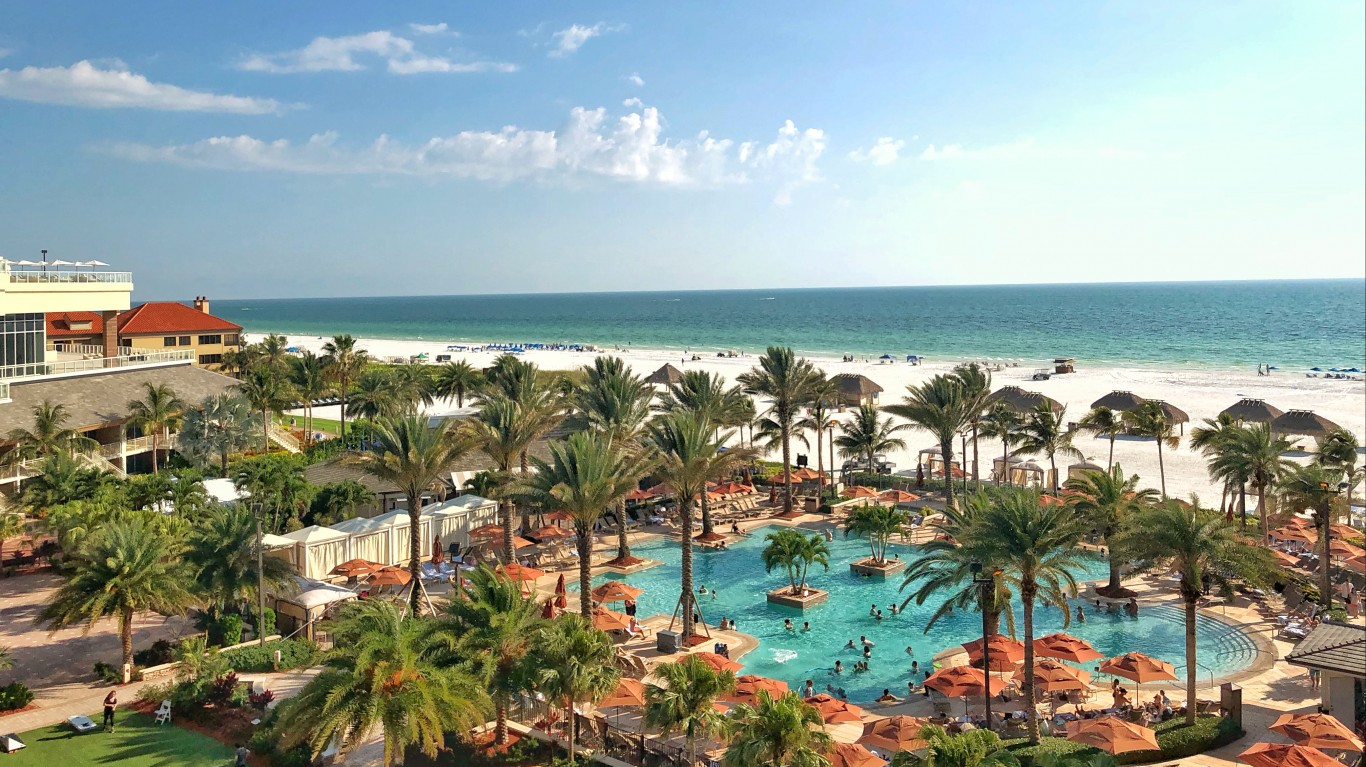
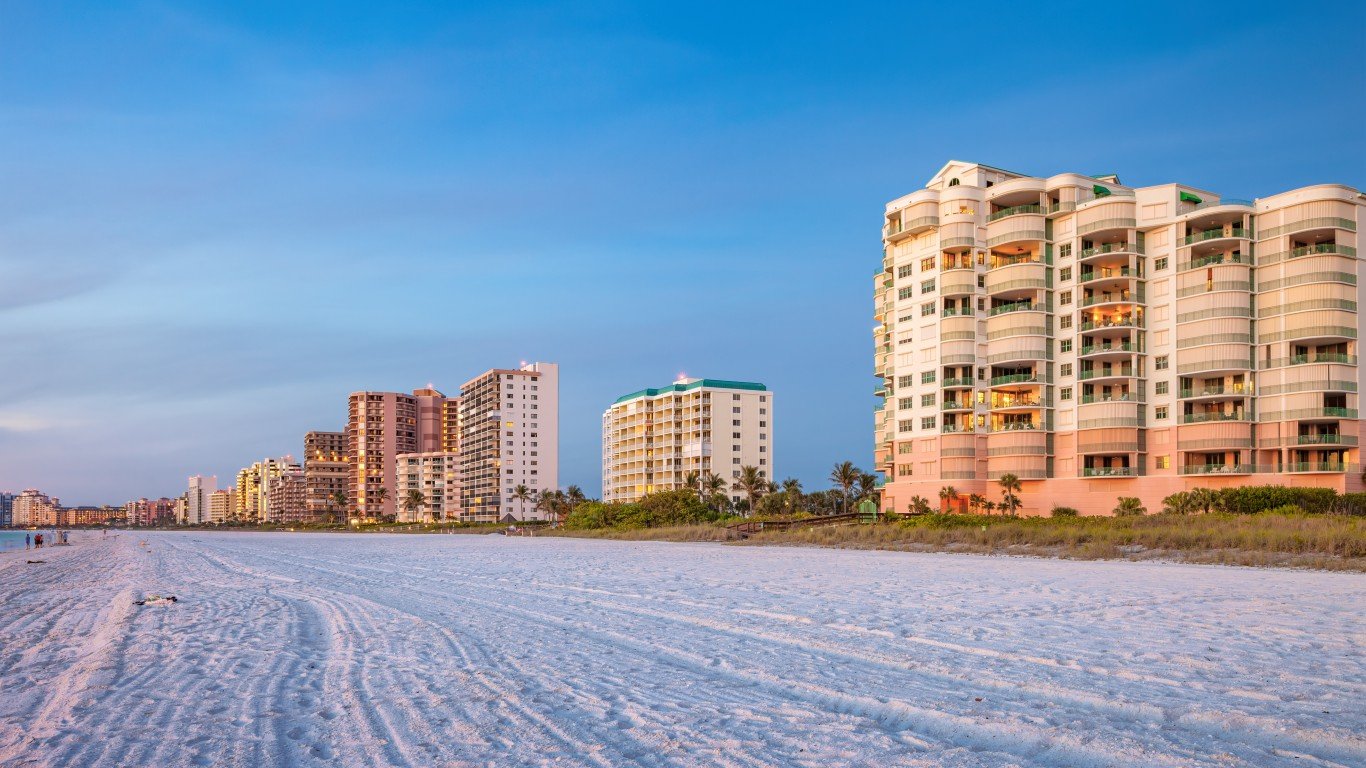
Start with the housing footprint. A modest coastal condo in Sarasota, Naples, or Vero Beach runs in the mid-six figures, and the Case-Shiller national index sits at 335.1 in May 2026, in the 90th percentile historically. Florida property tax on a $500,000 condo runs about $5,000 with homestead, HOA on a well-run building is $700 to $1,200 a month, and windstorm and hurricane insurance now routinely lands between $4,000 and $8,000 depending on roof age and distance to water. Call it $30,000 a year in Florida carrying cost before utilities.
The Colorado leg forks two ways. Owning a second place in a resort county (Summit, Routt, La Plata) means another $400,000 to $700,000 outlay plus wildfire insurance that has become uninsurable in some ZIP codes. The cleaner move is a five or six month lease in a shoulder-season mountain town, roughly $2,800 to $3,800 a month furnished, which annualizes to $18,000 to $22,000 without property-tax and insurance exposure. Renting the Colorado side keeps optionality and avoids doubling your natural-hazard premium risk.
Building the Working Budget
For a Medicare-age couple living this scenario at a comfortable level, the annual number lands around $105,000 to $115,000. Roughly $30,000 in Florida housing carry, $22,000 in a Colorado summer lease, $12,000 in food (the 2024 BLS Consumer Expenditure Survey pegs total average annual household expenditures at $78,535, but retirees skew heavier on housing and healthcare), $8,000 in utilities across two places, and healthcare running $11,000 to $14,000 for a couple. That assumes Original Medicare with a Medigap policy, which suits this lifestyle because Medicare Advantage networks do not travel well between Florida and Colorado. Add the 2026 Part A hospital deductible of $1,736 as a reminder that out-of-pocket exposure still exists. Cars, travel between homes, gifts, home maintenance reserves, and federal taxes on withdrawals absorb the remaining $20,000 to $25,000.
The Math That Turns Cost Into a Portfolio Target
A couple with average earnings histories claiming at full retirement age can expect combined Social Security in the $48,000 to $58,000 range, and the 2026 COLA of 2.8% keeps that indexed. Subtract $52,000 in benefits from a $110,000 budget and you need a $58,000 annual gap from the portfolio. At a 4% withdrawal rate that implies about $1.45 million. At a more defensive 3.5%, which suits a scenario with two properties exposed to insurance and climate shocks, the target rises to roughly $1.66 million. For an early retiree in their late fifties bridging to Medicare, add another $18,000 to $28,000 a year in ACA premiums, which pushes the target closer to $2 million.
The Domicile and Insurance Trap
Florida ranks 4th on the 2025 State Tax Competitiveness Index with no individual income tax, while Colorado ranks 32nd and taxes retirement income (with a partial exclusion for those 65-plus). To preserve Florida domicile, you generally need to spend more than half the year there and pass the facts-and-circumstances tests: driver’s license, voter registration, homestead exemption, primary physician, vehicle registration. Cross the 183-day threshold in Colorado and the state can assert residency on your entire portfolio’s income, including capital gains realized in Sarasota. A 7-months-Florida, 5-months-Colorado calendar works; a 50/50 split does not.
The second trap is insurance. Florida windstorm premiums have doubled in many coastal ZIPs since 2022, and Colorado wildfire non-renewals are now common above 7,000 feet. Underwrite your budget assuming premiums rise faster than the headline CPI, which sat at 332.6 in June 2026. A reasonable planning assumption is 8% to 12% annual increases on both policies for the next decade. That single line item, compounded, is what turns a $1.45 million portfolio into a $1.7 million portfolio ten years in.
What It Actually Takes
To live this scenario without stress, a couple should plan on roughly $1.6 to $1.8 million in invested assets at Medicare age, a 3.5% withdrawal rate, combined Social Security claimed strategically (typically the higher earner delaying to 70), Florida established as legal domicile with the calendar to prove it, and Colorado handled as a lease rather than a second deed. Assume a 5% to 6% real return on a balanced portfolio to sustain the draw through a 30-year horizon. The number that makes this work is the reserve you build for the insurance and domicile realities that quietly re-price the whole plan every year you own it, not the sticker price of two homes.
Contact [email protected] for any questions or corrections.
I am a long time investor and student of business, and believe finding good companies that can become great investments is the best game on earth. After 20 years of writing and researching the public markets it is clear that individuals have never had more tools and information to take control of their financial lives. From ETFs and $0 commissions to cryptos and prediction markets there has never been a greater democratization of access to investing.
I write to help people understand the investments available to them so they can make the best choice for their portfolio, whether they're starting out or looking for income in retirement.