SpaceX IPO Delayed? Here’s Why SPCX Still Isn’t Trading Yet
The stock market thrives on anticipation, and few public offerings have generated as much of it as SpaceX‘s (NASDAQ:SPCX) debut. The aerospace giant priced its IPO at $135 per share, raising tens of billions of dollars and becoming one of…

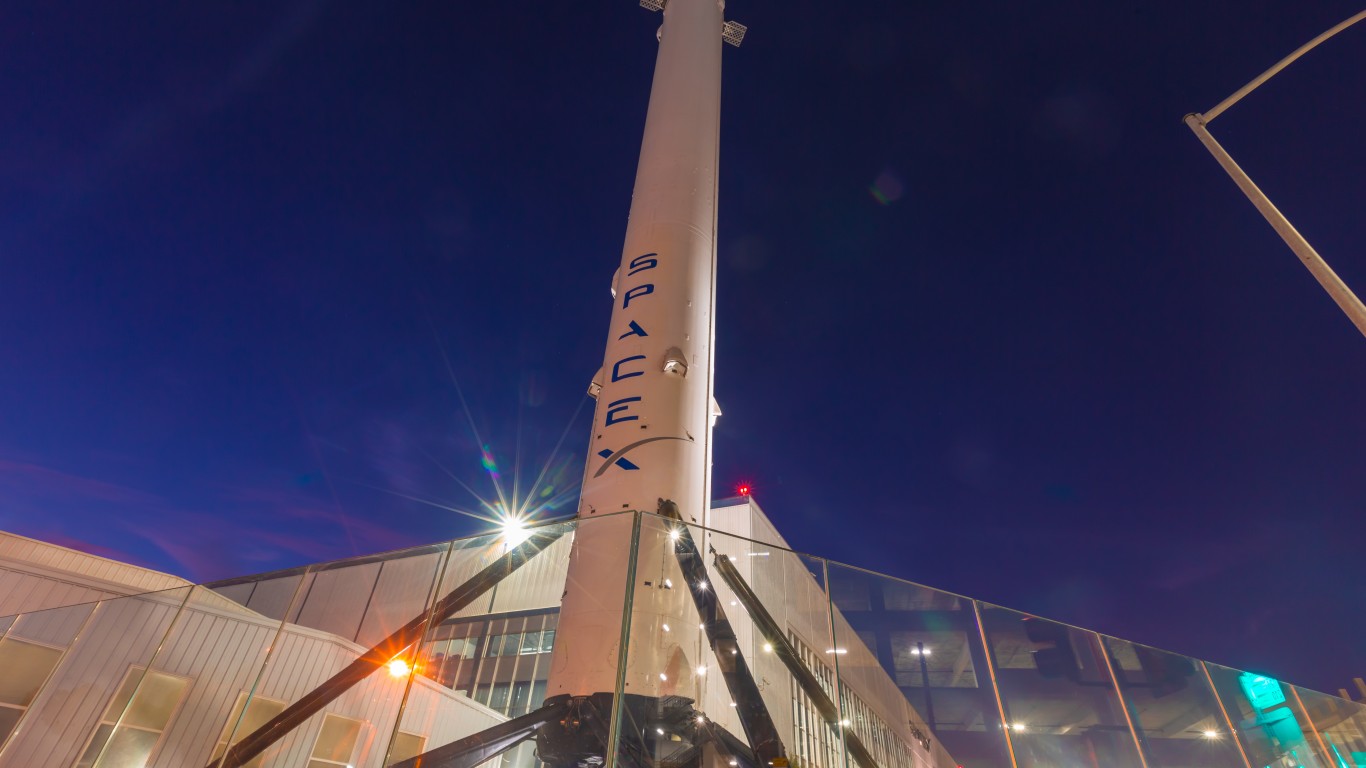
The stock market thrives on anticipation, and few public offerings have generated as much of it as SpaceX‘s (NASDAQ:SPCX) debut. The aerospace giant priced its IPO at $135 per share, raising tens of billions of dollars and becoming one of the largest public offerings ever. Yet as investors refreshed their brokerage accounts Friday morning, many were greeted by an unexpected sight: SpaceX was public, but there were still no trades.
That delay isn’t a sign that anything has gone wrong. In fact, it’s a normal part of the IPO process, particularly for highly anticipated offerings where demand can overwhelm supply. Understanding what’s happening behind the scenes can help investors avoid confusion and make better decisions as trading finally begins.
The IPO Clock Doesn’t Start at 10:00 A.M.
Many investors assume that if an IPO is scheduled to begin trading at 10:00 a.m. Eastern time, shares will automatically change hands at that exact moment. That’s not how the process works.
SpaceX’s IPO was quoted around 9:50 a.m. ET, but Nasdaq still needed to complete its opening auction before any shares could trade. The exchange gathers buy and sell orders, evaluates demand, and determines a price that balances the market.
At approximately 9:50 a.m., Nasdaq released its first indications — preliminary estimates of where the stock might open. For SpaceX, those indications came in around $175 per share.
| Metric | Value |
| IPO Price | $135 |
| First Indication | $175 |
| Premium to IPO Price | ~30% |
Those early figures are not actual trades. They’re simply a gauge of where supply and demand currently meet.
What Happens Before the First Trade?
The opening auction follows a structured process designed to create an orderly market. Here’s what Nasdaq does before the first share changes hands:
- Investors enter buy and sell orders.
- No trades occur during this period.
- Nasdaq continuously updates the indicative opening price.
- The exchange adjusts that price as new orders arrive.
- Once supply and demand are balanced, the opening auction takes place.
- The first official trade is printed.
Think of it as a giant negotiation involving millions of shares. If buyers greatly outnumber sellers at $175, the indicative price may rise. If more sellers emerge, the estimate may move lower. The goal is to find a level where the largest number of shares can trade efficiently.
To put that into perspective, a stock attracting billions of dollars in orders can require far more time to balance than a typical IPO.
Delays Are Common in Major IPOs
Investors often interpret delays as a warning sign, but history suggests otherwise. Some of the most famous technology IPOs experienced extended waits before their first trades occurred.
- Google’s 2004 IPO opened well after the market began trading.
- Meta Platforms‘ (NASDAQ:META | META Price Prediction) 2012 debut (as Facebook) suffered delays that stretched more than two hours after the opening bell.
Those offerings eventually became some of the most closely watched public companies in the market.
SpaceX enters public markets with a similar — if not greater — level of attention. Retail demand, institutional demand, and widespread media coverage have created a flood of orders that Nasdaq must process before opening trading. That means the first trade could occur within the next hour. It could also take longer.
Granted, investors eager to buy shares may find the wait frustrating. That said, a careful opening auction often produces a more orderly market than rushing shares into trading.
Key Takeaway
In short, the fact that SpaceX stock is not trading yet does not mean the IPO has hit a snag. The company is public, but Nasdaq is still completing the price-discovery process that determines the opening trade.
The first indication of roughly $175 per share suggests demand remains strong, representing about a 30% premium to the $135 IPO price. However, that figure can change until the opening auction is finalized.
Ultimately, patient investors should focus less on the exact minute trading begins and more on the price they are willing to pay once it does. The opening auction exists to match buyers and sellers fairly — and for blockbuster IPOs like SpaceX, that process often takes longer than expected.
Contact [email protected] for any questions or corrections.
After two decades of patrolling the dark corners of suburbia as a police officer, Rich Duprey hung up his badge and gun to begin writing full time about stocks and investing. For the past 20 years, he’s been cruising the markets looking for companies to lock up as long-term holdings in a portfolio while writing extensively on the broad sectors of consumer goods, technology, and industrials. Because his experience isn’t from the typical financial analyst track, Rich is able to break down complex topics into understandable and useful action points for the average investor. His writings have appeared on The Motley Fool, InvestorPlace, Yahoo! Finance, Money Morning, and, of course, 24/7 Wall St. He has been featured in both U.S. and international publications, including MarketWatch, Financial Times, Forbes, Fast Company, and USA Today.