Genghis Khan Was Worth $120 Trillion
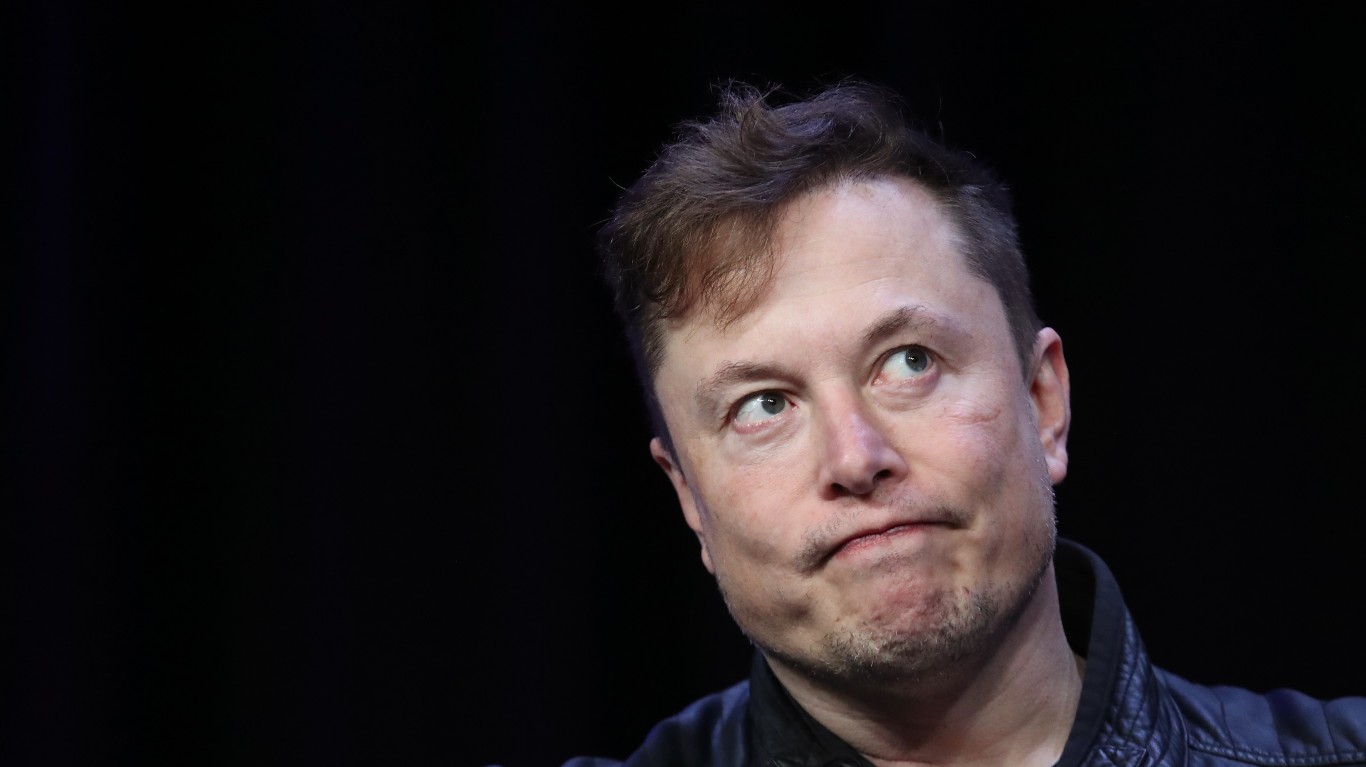
The further back one goes in history, the harder it is to estimate a reasonable net worth figure. Elon Musk’s net worth of $1.3 trillion is confirmed by several sources, including Forbes and Bloomberg. Andrew Carnegie’s (1835-1919) figure is hard…

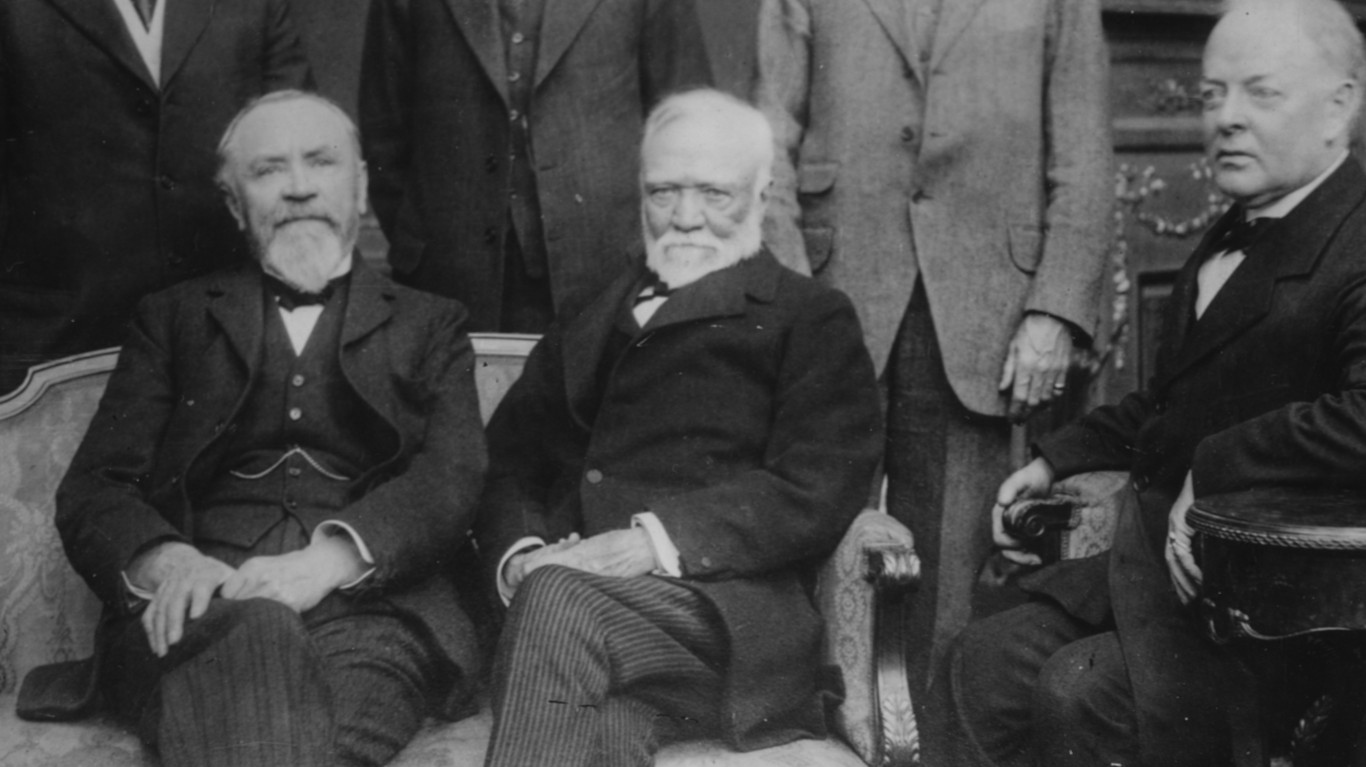
The further back one goes in history, the harder it is to estimate a reasonable net worth figure. Elon Musk’s net worth of $1.3 trillion is confirmed by several sources, including Forbes and Bloomberg.
Andrew Carnegie’s (1835-1919) figure is hard to calculate, based on tangible measurements. What was ownership in steel mills really worth? Carnegie’s net worth is usually put at about $375 billion. There are similar calculation problems with John D. Rockefeller (1839-1937), whose net worth is usually put around $400 billion. What was his stake in Standard Oil worth? The future is only an educated guess.
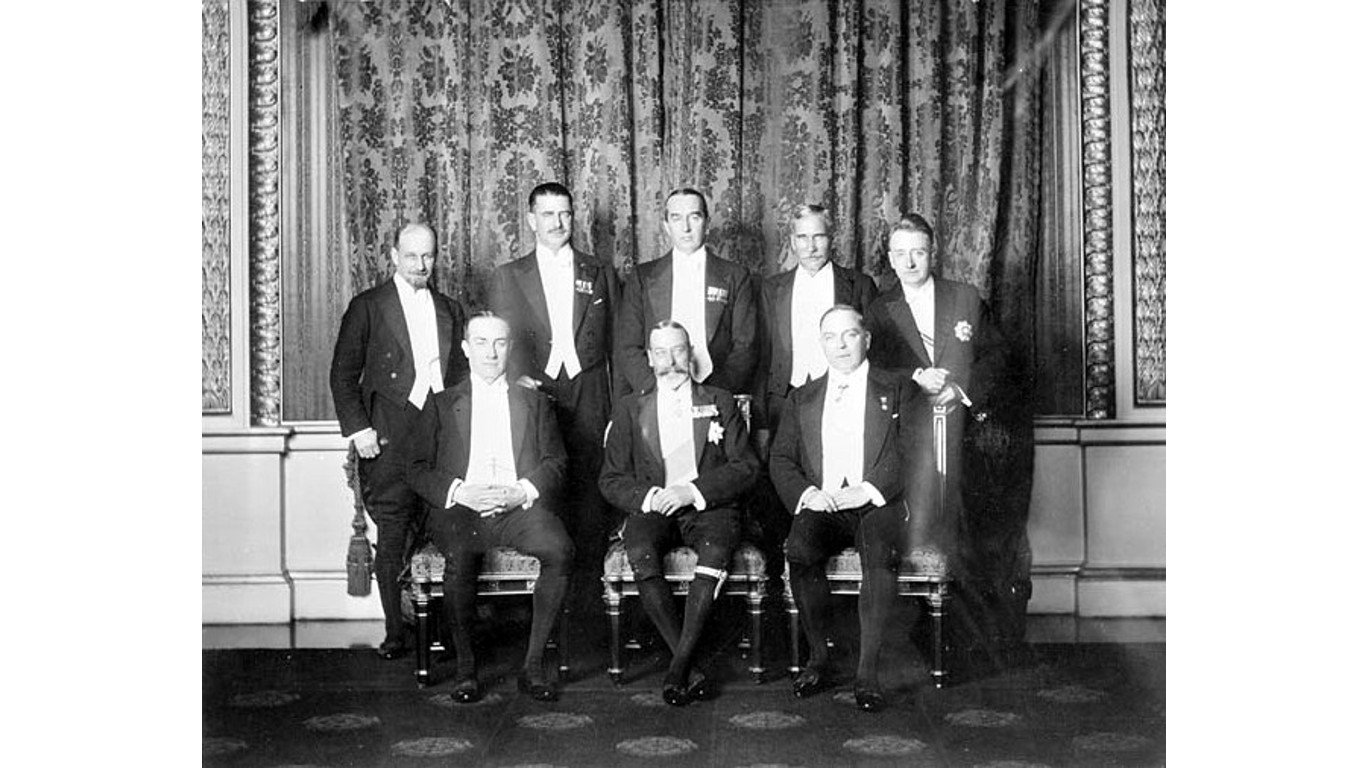
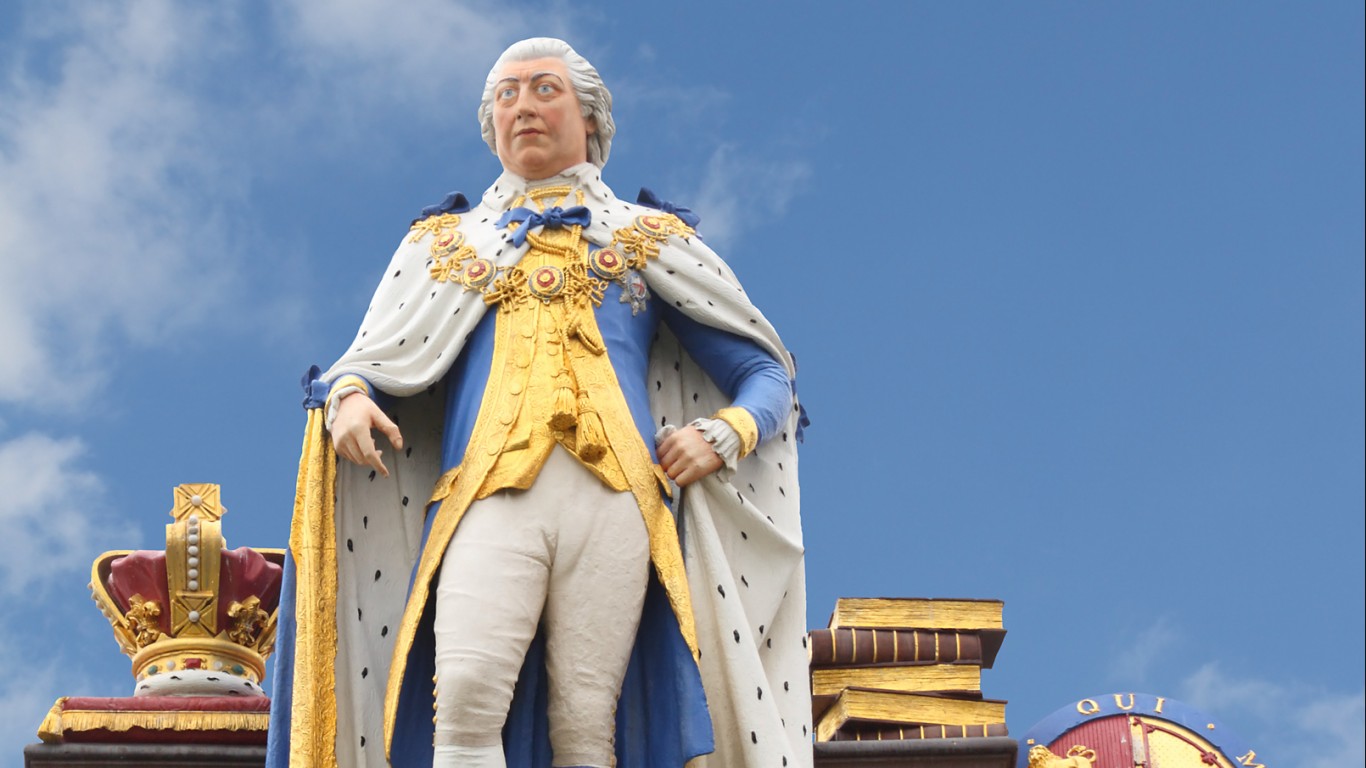
There is another category of the super-rich: the emperors. Most of these lived centuries ago, and estimating their net worth is even more of a guess. However, a number shows up on rich lists, particularly when accounting for inflation-adjusted dollars.
The ruler list usually includes Muammar Gaddafi (1942 to 2010), Libya’s leader. The argument is that he owned most of the country’s oil reserves. Augustus Caesar (27 BC-14AD) ruled Rome. The case of his wealth, at $4 trillion, is that he owned vast parts of the Roman Empire. It is another argument that is a wild guess.
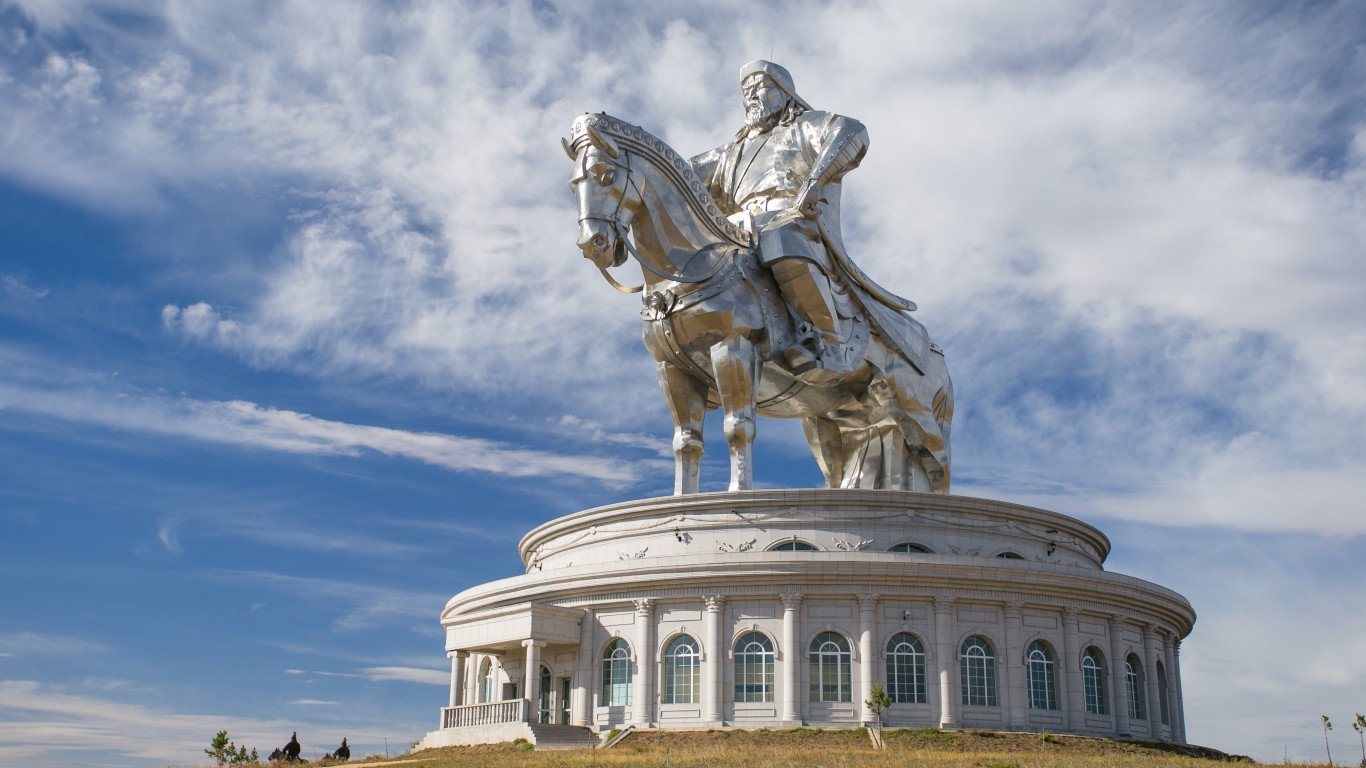
According to Yahoo, the wealthiest person in history is Genghis Khan (?-1227), who had a net worth of $120 trillion. He conquered an estimated 12 million square miles. Most biographies say he gave some of this land away as he conquered it. These areas became known as the Mongol Empire. In the process, some historians say he killed millions of people. That is another guess. At the end of his life, according to Britannica, “Mongols then controlled land from the China Sea to the European part of Russia.” No one really knows what that land was worth.
Contact [email protected] for any questions or corrections.
Douglas A. McIntyre is the co-founder, chief executive officer and editor in chief of 24/7 Wall St. and 24/7 Tempo. He has held these jobs since 2006.
McIntyre has written thousands of articles for 24/7 Wall St. He is an expert on corporate finance, the automotive industry, media companies and international finance. He has edited articles on national demographics, sports, personal income and travel.
His work has been quoted or mentioned in The New York Times, The Wall Street Journal, Los Angeles Times, The Washington Post, NBC News, Time, The New Yorker, HuffPost USA Today, Business Insider, Yahoo, AOL, MarketWatch, The Atlantic, Bloomberg, New York Post, Chicago Tribune, Forbes, The Guardian and many other major publications. McIntyre has been a guest on CNBC, the BBC and television and radio stations across the country.
A magna cum laude graduate of Harvard College, McIntyre also was president of The Harvard Advocate. Founded in 1866, the Advocate is the oldest college publication in the United States.
TheStreet.com, Comps.com and Edgar Online are some of the public companies for which McIntyre served on the board of directors. He was a Vicinity Corporation board member when the company was sold to Microsoft in 2002. He served on the audit committees of some of these companies.
McIntyre has been the CEO of FutureSource, a provider of trading terminals and news to commodities and futures traders. He was president of Switchboard, the online phone directory company. He served as chairman and CEO of On2 Technologies, the video compression company that provided video compression software for Adobe’s Flash. Google bought On2 in 2009.