The Fed Has 2 Tools to Fight Inflation. Kevin Warsh Is About to Use the One Investors Ignore
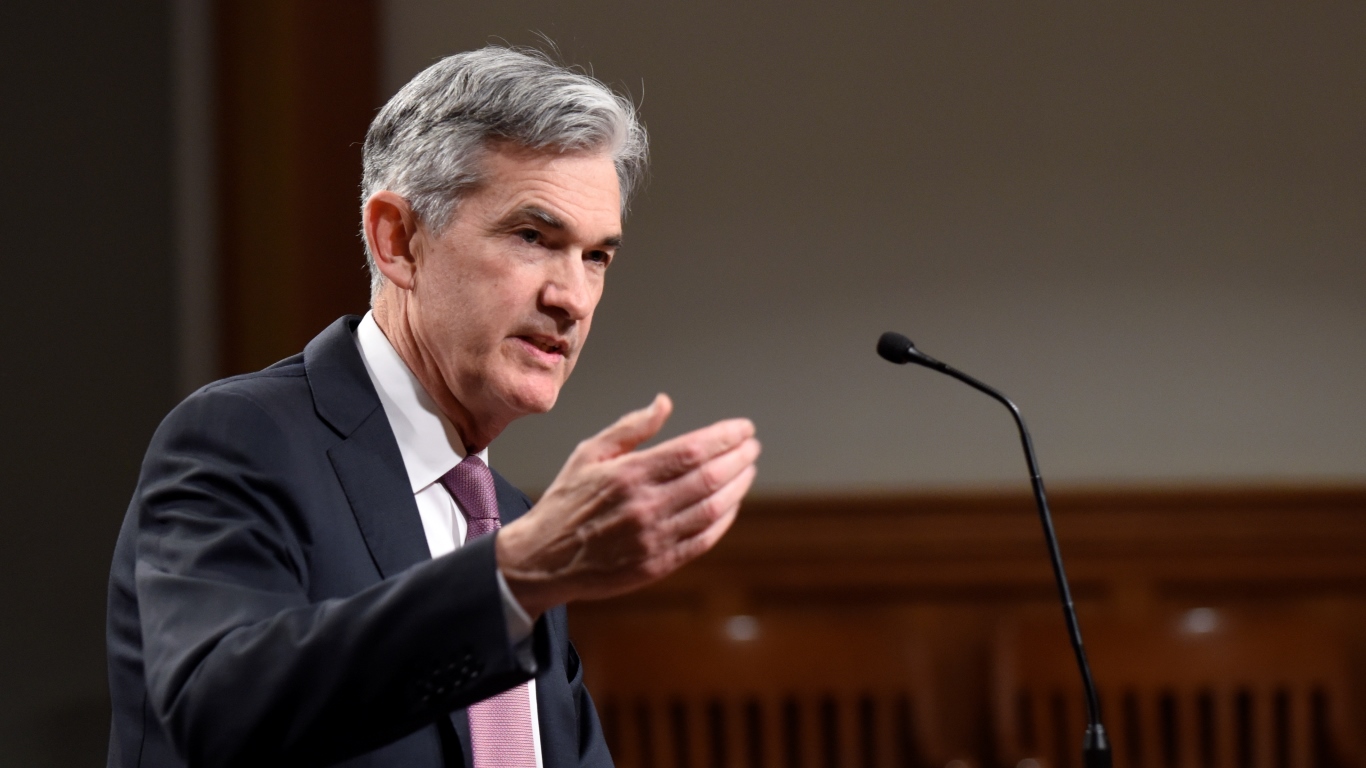
Federal Reserve Chair Kevin Warsh will announce his first interest rate decision today at 2:00 p.m. EST. According to prediction markets, the outcome is essentially a foregone conclusion: there is currently a 99.8% probability the central bank leaves rates unchanged.…

This post may contain links from our sponsors and affiliates, and Flywheel Publishing may receive compensation for actions taken through them.
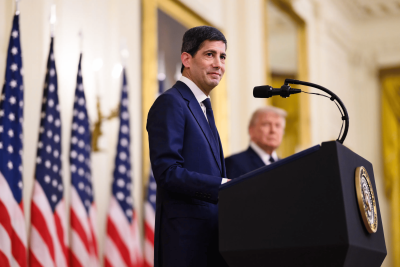
Federal Reserve Chair Kevin Warsh will announce his first interest rate decision today at 2:00 p.m. EST. According to prediction markets, the outcome is essentially a foregone conclusion: there is currently a 99.8% probability the central bank leaves rates unchanged.
That may disappoint investors looking for immediate action. Yet focusing solely on interest rates misses the bigger story.
Warsh has spent years arguing that the Federal Reserve possesses two powerful policy tools, not one. While Wall Street obsesses over the federal funds rate, Warsh believes the Fed’s nearly $7 trillion balance sheet may be just as important in determining inflation, economic growth, and financial conditions.
If he’s serious about implementing his long-standing views, investors may soon discover that fighting inflation doesn’t necessarily require higher rates.
The Fed’s Forgotten Inflation Lever
Most investors understand how interest rates work. When inflation rises, the Fed increases borrowing costs to slow spending and cool demand. When inflation falls, rates can come down. Warsh agrees with that framework. He simply believes it’s incomplete.
According to the Federal Reserve, its balance sheet currently stands at $6.725 trillion. That’s around 7.5 times larger than it was before the 2008 financial crisis, when Warsh last served as a Fed governor.
The balance sheet expanded through multiple rounds of quantitative easing, or QE, in which the Fed purchased Treasury bonds and mortgage-backed securities to inject liquidity into the financial system.
| Fed Metric | Approximate Size |
| Pre-2008 Balance Sheet | $890.7 billion |
| Peak Pandemic Balance Sheet | $8.965 trillion |
| Current Balance Sheet | $6.725 trillion |
Source: Federal Reserve balance sheet data.
Warsh’s argument is straightforward. If expanding the balance sheet helped stimulate the economy by creating more money and liquidity, then maintaining an oversized balance sheet continues to influence financial conditions today.
As he has argued, “If the balance sheet mattered when you were growing it, it should matter when it’s going the other direction.”
Why Warsh Thinks Rates and QE Worked Against Each Other
The core of Warsh’s criticism is that the Fed spent years pulling two policy levers in opposite directions.
On one hand, policymakers were raising interest rates to suppress inflation. On the other, they were still maintaining trillions of dollars of assets accumulated through QE programs designed to stimulate growth. In effect, one foot was pressing the brake while the other remained on the accelerator. This view aligns with a growing debate among economists about whether the Fed relied too heavily on rate hikes while moving too slowly to reduce its balance sheet.
Warsh’s preferred approach is what he calls “practical monetarism” — a framework that places greater emphasis on controlling the supply of money and liquidity in the financial system. Rather than reaching immediately for higher rates, the Fed would continue shrinking its balance sheet and removing itself from financial markets except during genuine crises.
Lower Inflation Could Eventually Mean Lower Rates
For investors, the most important implication is what happens next. Warsh isn’t necessarily arguing for tighter policy overall. In fact, his framework could eventually support lower interest rates.
The logic is simple. A smaller balance sheet reduces liquidity and inflationary pressure. Lower inflation then creates room for lower policy rates without risking another surge in prices. That outcome would be welcome news for interest-rate-sensitive sectors ranging from housing to small businesses to capital-intensive industries.
Granted, balance sheet reduction isn’t painless. Liquidity can tighten, Treasury markets can become more volatile, and financial assets often need time to adjust. Yet Warsh appears to believe those tradeoffs are preferable to relying exclusively on elevated interest rates.
Key Takeaway
In short, investors expecting Kevin Warsh to fight inflation through rate hikes alone may be watching the wrong indicator. With a 99.8% probability of a rate hold today, attention will naturally focus on the federal funds rate. But the more important signal could be what Warsh says about the Fed’s near-$7 trillion balance sheet.
His long-standing view is that inflation wasn’t created solely by low rates, but was also fueled by an enormous expansion of the Fed’s balance sheet. If that’s true, then shrinking that balance sheet may be the most effective way to reduce inflation while eventually creating room for lower rates.
Ultimately, today’s rate decision matters, but Warsh’s plan for the balance sheet may matter even more.
Contact [email protected] for any questions or corrections.
After two decades of patrolling the dark corners of suburbia as a police officer, Rich Duprey hung up his badge and gun to begin writing full time about stocks and investing. For the past 20 years, he’s been cruising the markets looking for companies to lock up as long-term holdings in a portfolio while writing extensively on the broad sectors of consumer goods, technology, and industrials. Because his experience isn’t from the typical financial analyst track, Rich is able to break down complex topics into understandable and useful action points for the average investor. His writings have appeared on The Motley Fool, InvestorPlace, Yahoo! Finance, Money Morning, and, of course, 24/7 Wall St. He has been featured in both U.S. and international publications, including MarketWatch, Financial Times, Forbes, Fast Company, and USA Today.