How Zuckerberg Paid $1 Billion for Zero Revenue and 13 Employees to Save Facebook
In 2012, Meta (NASDAQ:META | META Price Prediction) was still called Facebook, had just crossed a billion users, and was preparing for one of the most hyped IPOs in history. The business looked invincible. Mark Zuckerberg, then 27, decided the…

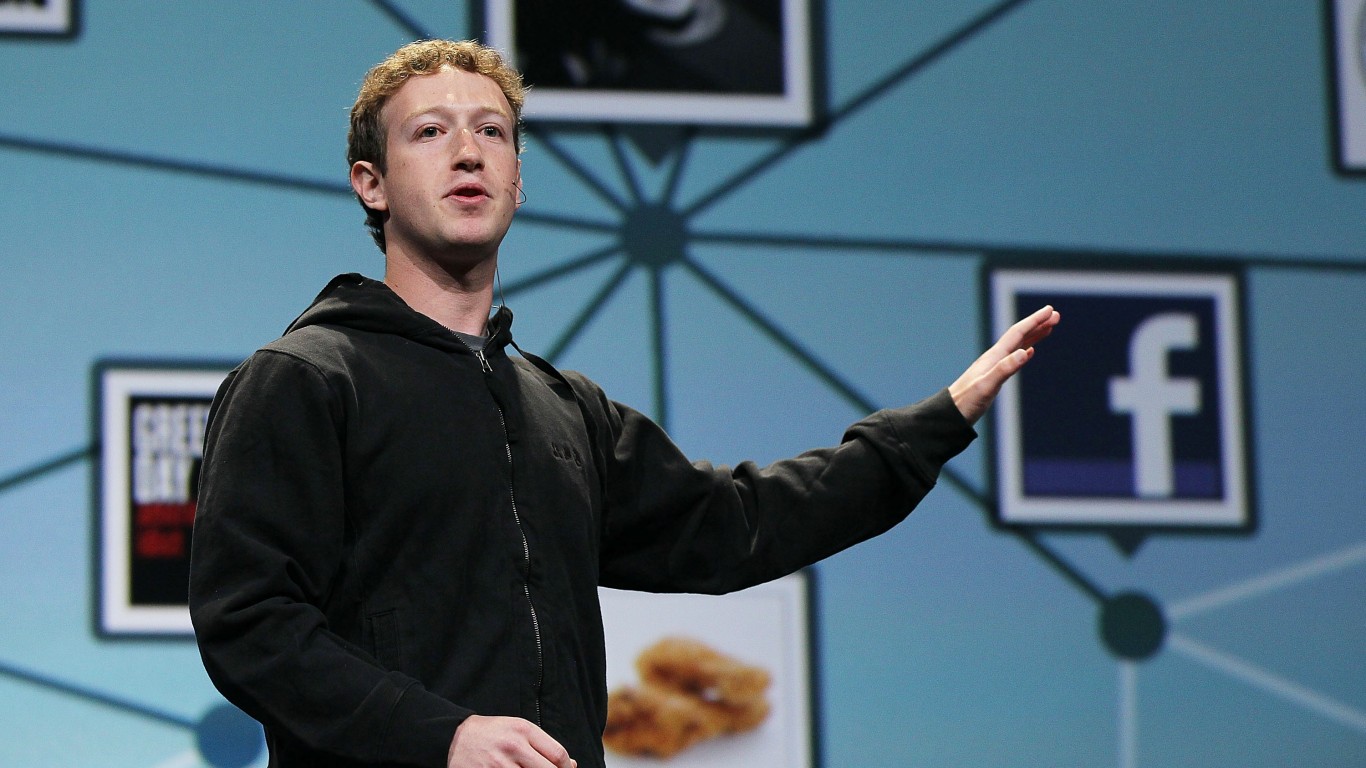
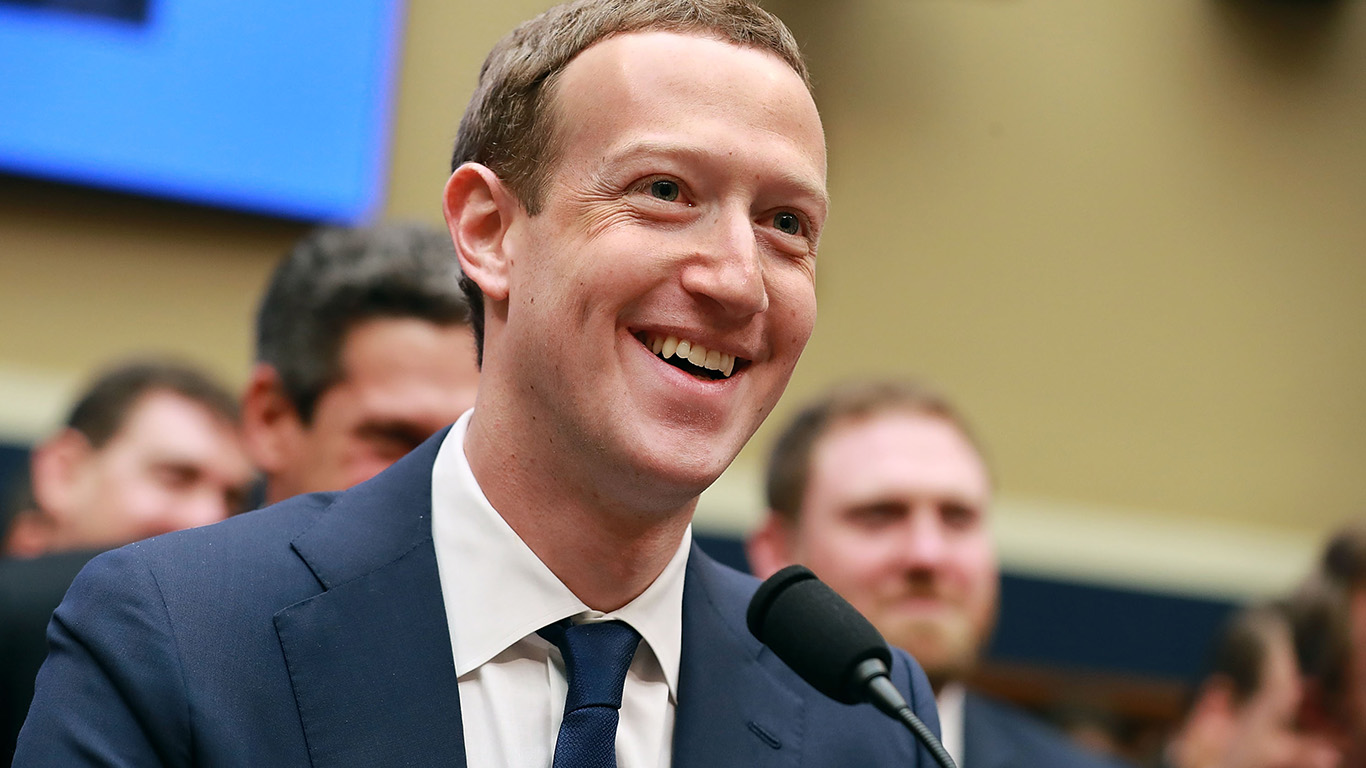
In 2012, Meta (NASDAQ:META | META Price Prediction) was still called Facebook, had just crossed a billion users, and was preparing for one of the most hyped IPOs in history. The business looked invincible. Mark Zuckerberg, then 27, decided the right move was to write a check for a photo-sharing app with zero revenue, 13 employees, and 30 million users. The price was $1 billion. At the time, the reaction across the financial press, summarized by contemporary business-history accounts, was that the deal “seemed sort of insane.”
It turned out to be the most important defensive acquisition in the history of consumer internet, and the numbers fourteen years later make that case without needing much editorializing.
The threat Zuckerberg actually saw in 2012
The conventional read on 2012 Facebook was a dominant network with happy advertisers. The internal read, according to the segment, was darker. Users were migrating to mobile faster than Facebook’s ad stack could follow, the core demographic was aging, and a tiny iOS-first competitor was capturing exactly the young, mobile-native users Facebook needed to keep. Clayton Christensen had a name for this pattern in The Innovator’s Dilemma. A smaller, faster entrant attacks an underserved slice of the market, gets good enough, and then eats the incumbent from below. The incumbent, busy protecting margins, watches it happen.
Zuckerberg’s response was to refuse the dilemma. He bought the disruptor. And then, critically, he resisted the urge to monetize it immediately. The segment notes it took Facebook “3 or 4 years to get ads on there” while the user base compounded. That patience is the part most acquirers get wrong.
What that $1 billion bought, measured in 2026 dollars
Instagram now sits inside Meta’s Family of Apps segment, which generated $55.91 billion in a single quarter, Q1 2026. The whole company posted $56.31 billion in revenue, up 33.08% year over year, with $26.77 billion in net income, helped by a tax benefit but still extraordinary. Family daily active people reached 3.56 billion. Ad impressions rose 19% with average price per ad up 12%.
Meta’s market cap is now $1.44 trillion, and the stock has returned 1,400%-plus from the 2012 IPO close through June 16, 2026. The $1 billion Instagram check, in other words, looks like the cheapest insurance policy ever underwritten.
The WhatsApp encore and the Google contrast
Zuckerberg ran the same playbook again in 2014 with WhatsApp, paying roughly nineteen times the Instagram price to lock down messaging and international reach. The thesis was identical. Buy the thing that could become you before it does.
Compare this to Alphabet (NASDAQ:GOOGL), which faced its own version of the dilemma and chose to build YouTube into a defensive moat rather than chase social. That worked too. Alphabet’s Q1 2026 revenue hit $422.5 billion on a trailing basis, and Google Cloud is growing. The market might be currently pricing Meta’s aggressive $125-145 billion 2026 capex for AI infrastructure as a risk, the same way it once priced the Instagram deal as a mistake.
The investor takeaway
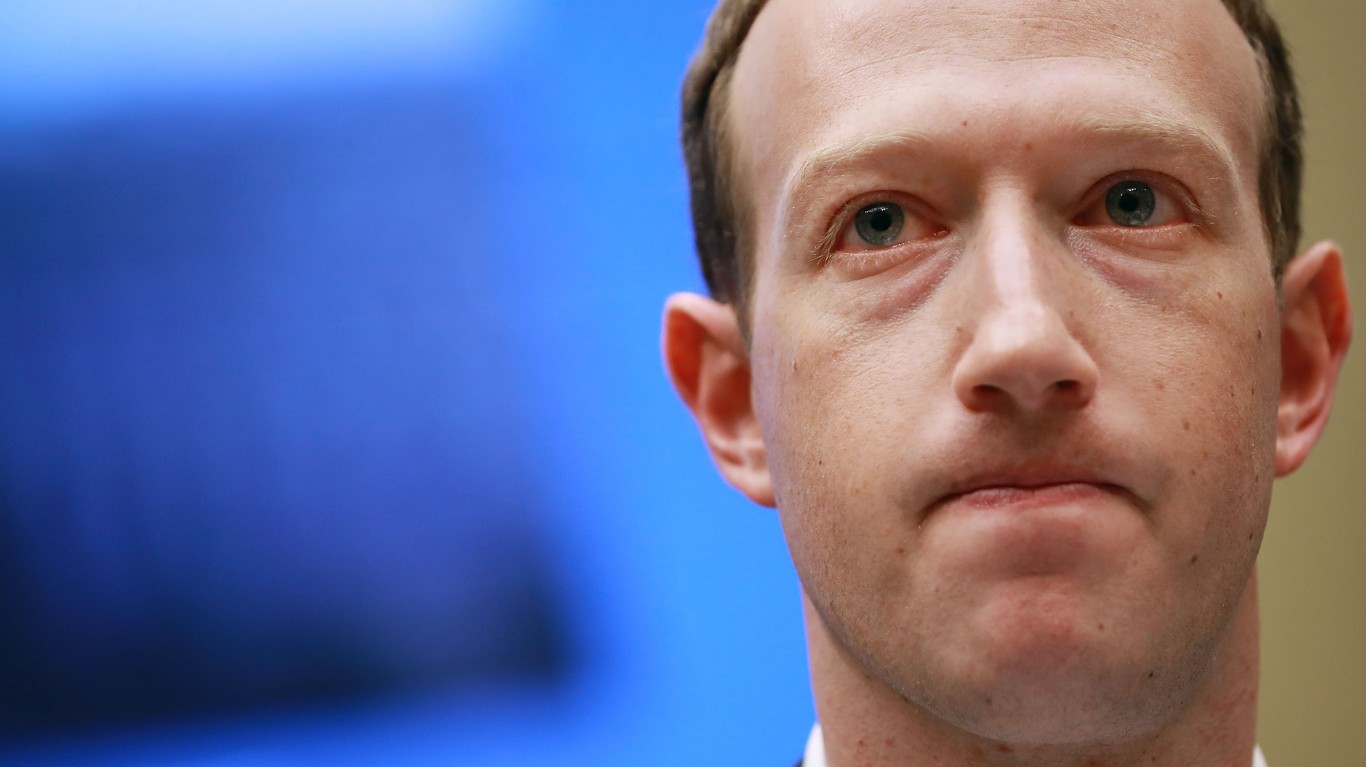
Plenty of acquisitions fail. The Reality Labs segment lost $4.03 billion last quarter alone, and not every Zuckerberg bet will compound like Instagram did. The real lesson is about who is running these companies. The largest platforms today are still led by their founders, people who were themselves disruptors, and that biography makes them paranoid in a useful way. They are willing to cannibalize their own business and write checks that look insane, because they remember being the small app nobody took seriously. When you evaluate a founder-led incumbent today, ask whether the founder still acts scared. Zuckerberg’s AI capex number suggests he does.
Contact [email protected] for any questions or corrections.
Omor Ibne Ehsan is a writer at 24/7 Wall St. He is a self-taught investor with a focus on growth, cyclical, and dividend equities that have strong fundamentals, value, and long-term potential. He also has an interest in high-risk, high-reward investments such as penny stocks.