Trump Says ‘We Hit Them 20 to 1.’ Wall Street’s Rate Hike Bet Played Out Faster Than Expected
President Trump's "20 to 1" boast landed on trading desks as an inflation catalyst on July 9, 2026. The market was pricing in an October rate hike. Instead, the Fed moved on September 16, raising rates 25 basis points in…


President Trump’s boast that “I say we hit them 20 to one. Every time they hit us, we hit them 20” landed on trading desks as more than a battlefield bulletin. Markets priced it as an inflation catalyst. On Bloomberg’s Daybreak Europe on July 9, 2026, host Lizzy walked through a second consecutive day of U.S. strikes on Iran, with reporter Abeer confirming that 90 targets were hit by the United States for a second straight day, according to U.S. Central Command. Iran retaliated against U.S. bases in Kuwait and Bahrain, keeping the escalatory cycle alive. That cycle has since shown no sign of ending: CENTCOM completed a “heavy wave” of strikes on July 29, and forces struck Iranian military targets again on September 1.
The market read at the time was straightforward: more strikes in the Gulf mean more risk premium in crude, more crude means stickier inflation, and stickier inflation forces the Federal Reserve’s hand. What nobody on that July 9 broadcast anticipated was how quickly events would confirm the thesis.
From Missiles to the Fed Funds Curve
The transmission chain the Bloomberg panel described runs in a familiar sequence: military escalation lifts oil, oil feeds through to headline inflation, and rising inflation expectations force the Fed’s hand. When the segment aired, Brent crude was flirting with $79 a barrel, up for a third straight session. By mid-September 2026, Brent had climbed above $104 a barrel, a gain of more than 30% since that broadcast, as the Strait of Hormuz remained effectively closed to normal traffic. The U.S. Energy Information Administration’s September 2026 Short-Term Energy Outlook now forecasts Brent to average around $90 a barrel for the second half of the year, reflecting both continued supply disruptions and the expectation that some flows through alternative routes will gradually recover.
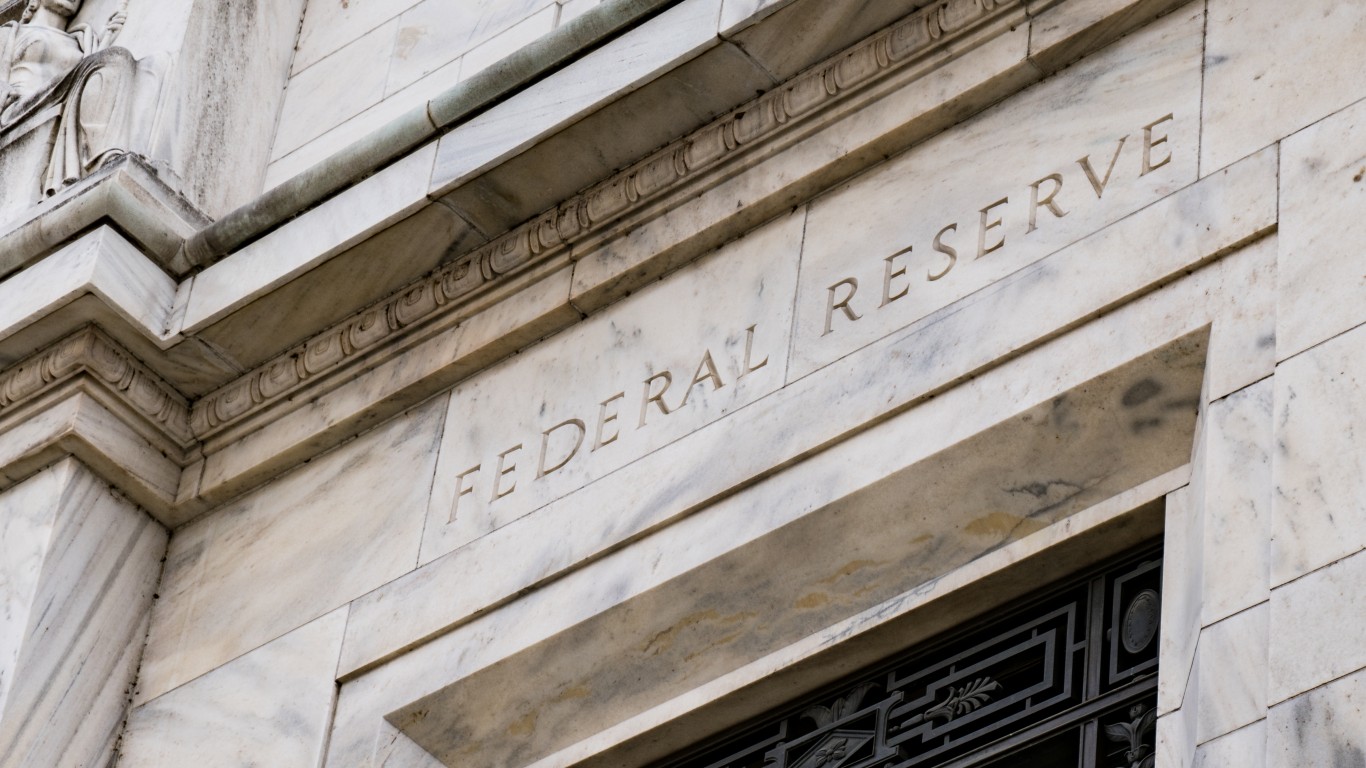
That oil surge fed directly into the inflation data Fed Chair Kevin Warsh inherited when he took office on May 22, 2026. Headline PCE for 2026 is now projected at 3.7%, with core at 3.4%, well above the Fed’s 2% target. The June FOMC meeting, Warsh’s first as chair, kept rates on hold but signaled that a hike was under active consideration. Mark Cranfield’s July 9 read proved directionally correct: “The market is now pretty much convinced that we will get at least one 25 basis points hike probably in October,” he told the program. In fact, the hike arrived a meeting earlier. On September 16, 2026, the FOMC voted 12-0 to raise the federal funds target range by 25 basis points to 3.75%-4%, the first hike since 2023, with 16 of 19 members projecting at least one additional hike before year-end.
The two-year Treasury yield, the maturity most sensitive to near-term Fed policy, had been climbing to 2026 highs even before the September decision. For readers who want to track the raw policy backdrop, the current FOMC target and its full rate history are available through the St. Louis Fed’s FRED database.
The Escalation Case Versus the De-Escalation Case
Not everyone on the July 9 broadcast bought the straight-line argument from Trump’s rhetoric to a rate hike. Bloomberg Economics’ defense lead argued the base case was a contained conflict, saying that what we are more likely to see is “continued escalation, tit-for-tat strikes as the U.S. tries to deter Iran from exerting its control over the waterway.” Limited strikes keep a risk premium in oil without triggering the kind of full-scale supply shock that forces the Fed’s hand on its own.
Trevor Charsley, senior technical strategist at Corpay, offered the more dovish read: “If it was a situation whereby President Trump said he would like to de-escalate, I think that’s a plausible course of action. What stood out to me was that he said he thinks the flareup will be short-lived.” A quick off-ramp, particularly with midterms approaching, could cap oil’s rally and ease pressure on the Fed. Events have since tilted toward the escalation camp. The September 1 CENTCOM strikes, described by Trump as “large and powerful,” suggest the periodic-strike model has become standing policy rather than a one-off.
What It Means for Everyday Savers and Borrowers
Retail investors never needed a view on Hormuz to feel the consequences. Higher oil translated to higher pump prices and stickier headline inflation, which gave the Fed the cover it needed to raise rates in September. With the Fed’s target now at 3.75%-4% and the October 28 meeting carrying a roughly 56% market-implied probability of a second hike, according to futures pricing, mortgage rates, auto loans, and credit-card APRs look set to stay elevated through year-end. Savers, on the other hand, continue to benefit from high-yield deposit rates that track the policy rate closely.
The broader lesson from the July 9 broadcast is that the panel got the direction right even if the calendar was slightly off. Volatility in both directions remains the through-line. The Fed has now moved, but every incremental headline out of the Gulf will still be traded as a potential catalyst, whether for a second hike in October or for a longer pause if the conflict shows genuine signs of cooling. For ongoing coverage of how energy and rate dynamics are reshaping portfolios, see our investing coverage.
Editor’s note: This article has been updated to reflect the Federal Reserve’s September 16, 2026, decision to raise rates 25 basis points to a 3.75%-4.00% target range, the continued U.S. military strikes on Iran through July and September, and the rise in Brent crude from $79 a barrel at the time of the original broadcast to above $104 a barrel by mid-September 2026.
Contact [email protected] for any questions or corrections.
Joel South covers large-cap stocks, dividend investing, and major market trends, with a focus on earnings analysis, valuation, and turning complex data into actionable insights for investors.
He brings more than 15 years of experience as an investor and financial journalist, including 12 years at The Motley Fool, where he served as an investment analyst, Bureau Chief, and later led the Fool.com investing news desk. He has also co-hosted an investing podcast and appeared across TV and radio discussing market trends.