Berkshire Just Broke Warren Buffett’s Most Famous Rule and Poured $2.65 Billion Into This Airline
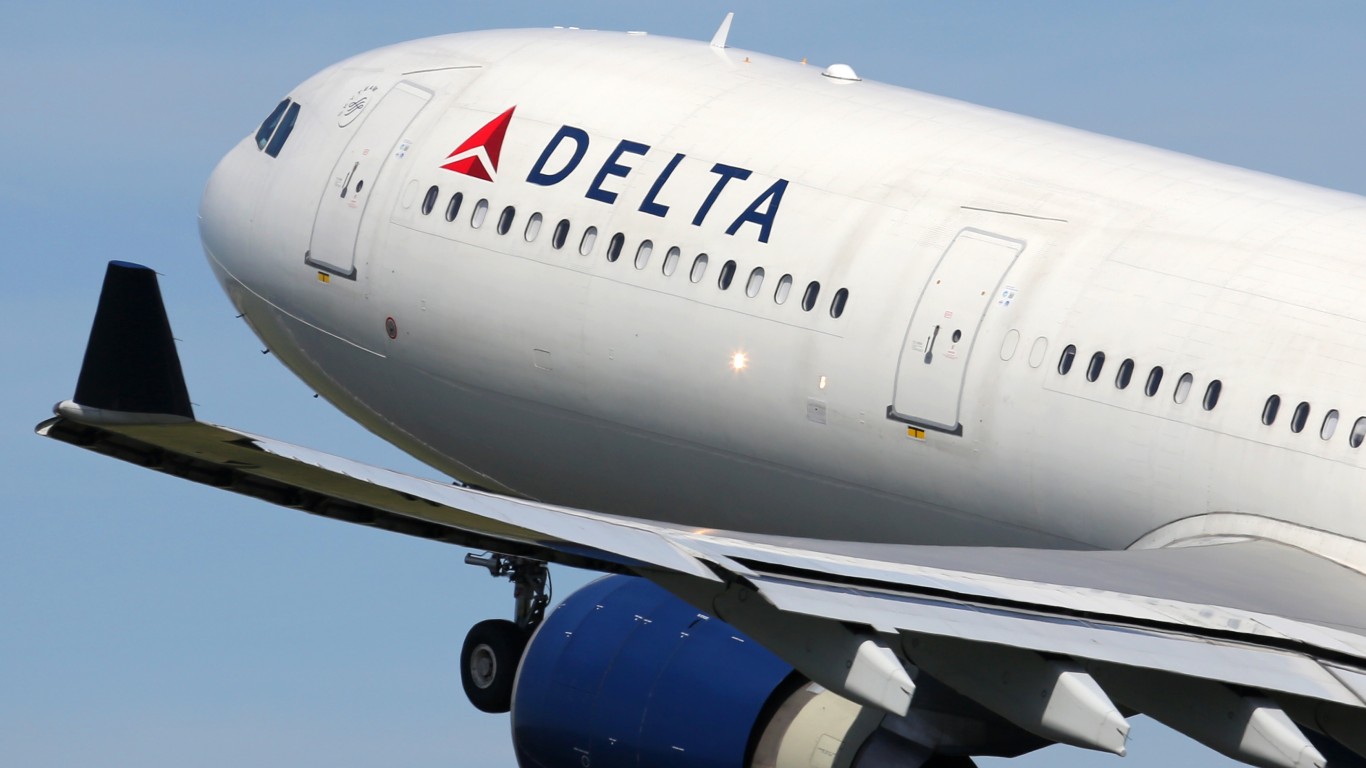
Berkshire Hathaway, now under CEO Greg Abel, disclosed in its Q1 2026 13F filing the acquisition of almost 40 million shares of Delta Air Lines (NYSE:DAL | DAL Price Prediction), a position valued at approximately $2.65 billion. The disclosure landed…

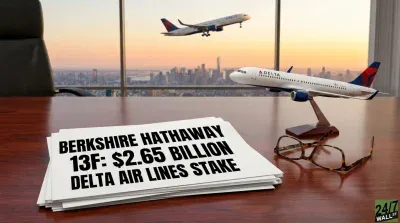
Berkshire Hathaway, now under CEO Greg Abel, disclosed in its Q1 2026 13F filing the acquisition of almost 40 million shares of Delta Air Lines (NYSE:DAL | DAL Price Prediction), a position valued at approximately $2.65 billion.
The disclosure landed alongside full exits from Amazon (NASDAQ:AMZN), UnitedHealth (NYSE:UNH), and Domino’s Pizza (NASDAQ:DPZ), which makes the airline buy the loudest signal of a new posture inside Omaha.
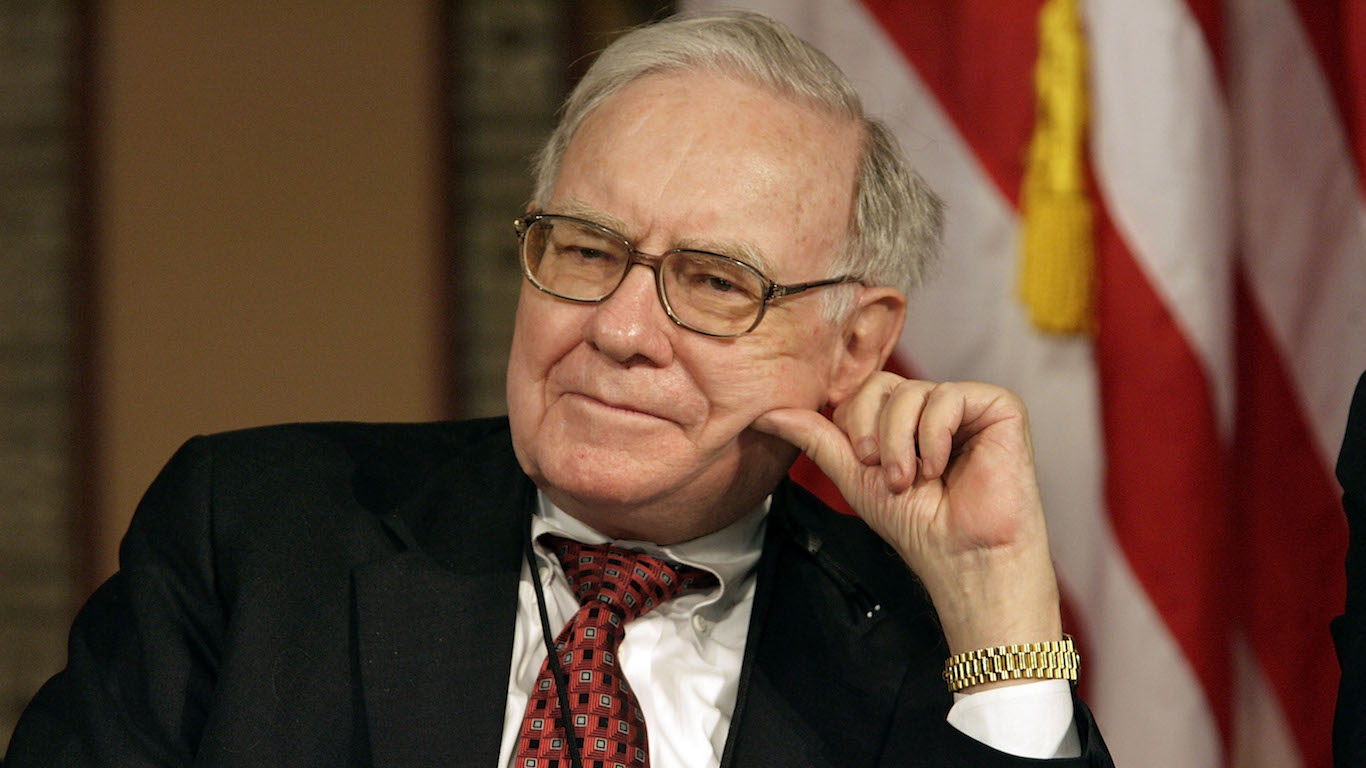
Warren Buffett, remember, dumped every airline holding in 2020 and once said “a durable competitive advantage has proven elusive to the airline industry since the days of the Wright Brothers.” Abel just spent $2.65 billion arguing the line no longer applies to Delta.

Why Delta, and why now
The fundamentals Berkshire was looking at when it built the stake have moved well beyond the post-pandemic wreckage Buffett walked away from. Delta posted full-year 2025 free cash flow of $4.643 billion, a record, while adjusted net debt fell $3.68 billion to $14.30 billion. Q1 2026 adjusted EPS came in at $0.64, a 44% year-over-year jump, on revenue of $14.20 billion, up 9.4%. That is what a balance sheet looks like when it has stopped pretending to be an airline and started behaving like a branded consumer franchise with a fuel cost.
The mix is the thesis. Premium ticket revenue rose 14% to $5.363 billion, loyalty revenue climbed 13%, and American Express remuneration topped $2.00 billion in the quarter, up 10% year over year. Diversified, high-margin streams now account for 62% of total adjusted revenue, up from 59%. CEO Ed Bastian framed the durability directly, saying “Delta’s results underscore the power of our brand and the durability of our financial foundation.” That is Buffett vocabulary, applied to a sector Buffett refused to own.
Valuation lined up. Delta trades at a trailing P/E of 12x and a forward P/E of 15x, with return on equity of 25% and analysts running five Strong Buys and 20 Buys against a single Strong Sell.
What Berkshire passed on
Berkshire could have bought United, Southwest, or Alaska. It did not. United generates a higher EPS at $11.18 and a comparable forward P/E of 12, but pays no dividend and lacks Delta’s loyalty-and-Amex annuity. Southwest, mid-transformation under new ancillary fees, trades at a trailing P/E of 32 on EPS of $1.50.
Alaska Air Group (NYSE:ALK) reported a Q1 2026 loss of $1.68 per share while digesting the Hawaiian deal, and its $5.47 billion market cap is too small for a Berkshire-scale entry anyway. Delta’s $54.6 billion market cap and its Amex tie give it the only credible “moat” story among the four.
Should a retirement investor follow
Delta is already up 79.09% over the past year, including a 24.22% move in the last month alone (United Airlines (NASDAQ:UAL) is up 55% and Southwest Airlines (NYSE:LUV) is also up 55% over the same window). What you can copy is Berkshire’s thesis, namely that Delta’s premium and loyalty machine has decoupled it from the commodity airline cycle that broke Buffett’s patience six years ago. The cost basis is gone.
The risks Bastian himself flagged are real. Q2 fuel expense is projected to rise by more than $2 billion at the forward curve, capacity growth has been cut, and a GAAP net loss of $289 million in Q1 reflected mark-to-market hits. Still, management guided full-year 2026 EPS to $6.50 to $7.50, roughly 20% earnings growth. If you believe that guide, Delta at a mid-teens forward multiple is the cleanest way to own the airline trade. Berkshire clearly does. The thesis is worth understanding before you copy it.
Contact [email protected] for any questions or corrections.
Omor Ibne Ehsan is a writer at 24/7 Wall St. He is a self-taught investor with a focus on growth, cyclical, and dividend equities that have strong fundamentals, value, and long-term potential. He also has an interest in high-risk, high-reward investments such as penny stocks.