She Sold the Orchard for $600,000, Then Stayed for Harvest. Social Security Ignored One Check and Counted the Other.
Selling an orchard for six figures sounds like a clean retirement exit, but Social Security draws a line through the closing table that most sellers never see coming until the withholding notice arrives.

This post may contain links from our sponsors and affiliates, and Flywheel Publishing may receive compensation for actions taken through them.

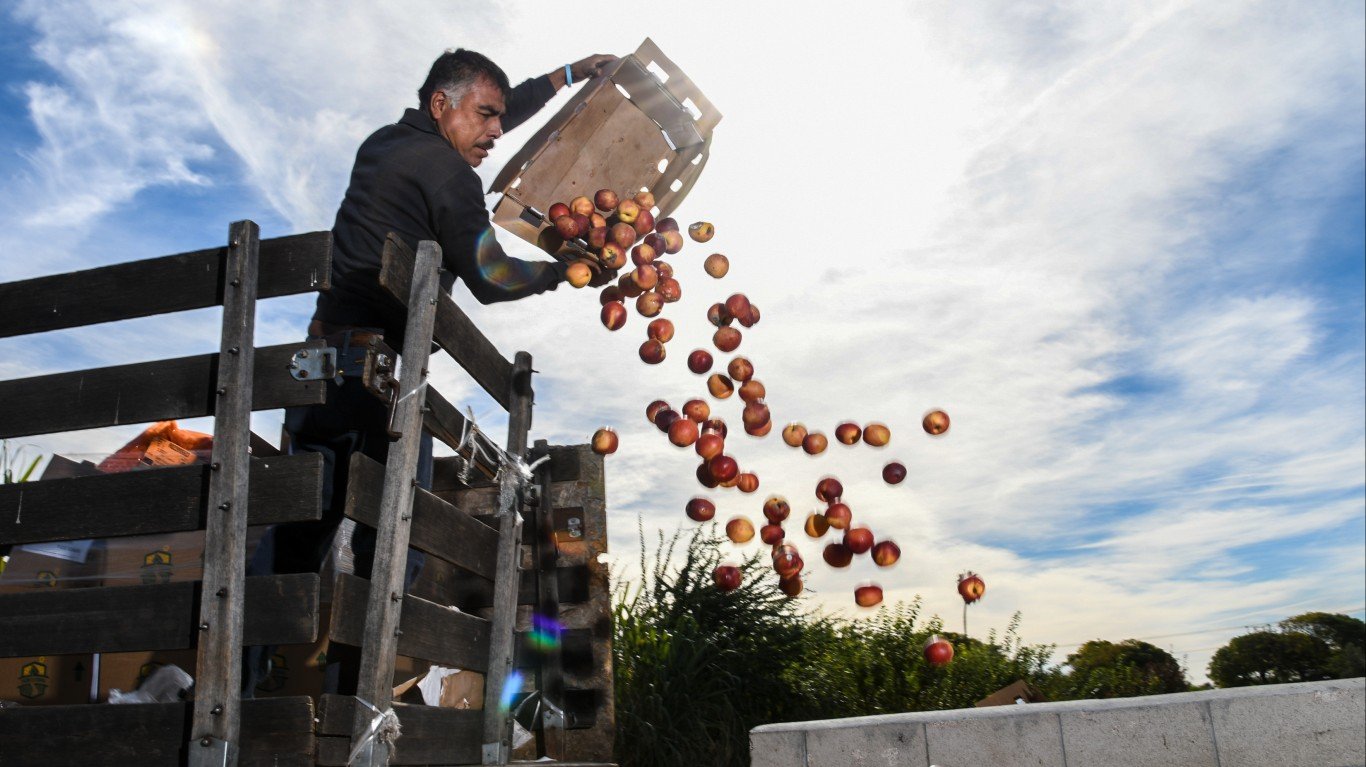
Picture a longtime orchard owner in her mid-sixties. She agrees to sell the property and business for $600,000. The buyer wants continuity through the fall, so she stays through harvest for an agreed wage or consulting fee. One transaction, two payments landing in the same year, and Social Security treats them almost like they came from different planets.
A farmer or business owner who has claimed Social Security early may understandably assume a $600,000 sale will wipe out her monthly checks. The surprising part is that the much smaller harvest payment may matter more.
Two Checks, Two Definitions
The retirement earnings test applies before full retirement age (FRA) and counts wages plus net earnings from self-employment. It generally does not count capital gains or gains from selling business property that was not inventory or held primarily for sale to customers. Assume the orchard’s purchase price is allocated to the land, trees, equipment and goodwill. Gain from those assets generally stays outside the Social Security earnings test, even though it may produce a substantial income-tax bill. Receiving part of the price through an installment note does not automatically turn it into earnings from work.
The harvest payment is treated differently. If she remains as an employee, her gross wages count. If she works as an independent consultant, her net self-employment earnings count after allowable expenses. For someone under FRA throughout 2026, the earnings limit is $24,480. Social Security withholds $1 in benefits for every $2 earned above it. A higher limit and a $1-for-$3 formula apply during the year she reaches full retirement age, and only earnings before the birthday month count.
The same closing therefore produces opposite results. The $600,000 purchase price may leave her retirement checks untouched, while the smaller payment for staying through harvest can cause benefits to be withheld. Those withheld benefits are not simply forfeited. At FRA, Social Security recalculates her monthly amount to account for months in which payments were withheld. The immediate cash-flow interruption is still real.
The Purchase Agreement Decides More Than the Check
A business sale is rarely the sale of one asset. The purchase price must be allocated among the land, equipment, inventory, goodwill and other assets being transferred. That allocation is where the clean headline can become messy. Fruit already harvested or held for sale is inventory, and its treatment can differ from the orchard land. A payment labeled as goodwill may also invite scrutiny if it is really compensation for managing the next harvest.
The buyer and seller cannot simply place every dollar in the most favorable bucket. Their allocation should reflect economic reality, and both sides generally report it consistently to the IRS. This makes the post-sale agreement especially important. The purchase contract should separate what the buyer is paying for the orchard from what the former owner will receive for labor after closing.
Not Earnings Does Not Mean No Effect
Even when the property-sale gain stays outside the earnings test, it can make more of her Social Security taxable. The federal calculation uses adjusted gross income, tax-exempt interest and half of her Social Security benefits. Once that total exceeds $25,000 for a single filer or $32,000 for a married couple filing jointly, benefits begin entering taxable income. Above $34,000 for a single filer or $44,000 for joint filers, up to 85% can become taxable.
The distinction is the heart of the story: the orchard gain may not reduce her Social Security checks under the earnings test, yet it can still make most of those checks taxable.
What to Sort Out Before Signing
Before the buyer takes possession, two details can keep the sale price and harvest pay from bleeding into the wrong buckets:
- Separate the payments on paper. Allocate the purchase price among the transferred assets and identify post-sale wages or consulting compensation separately. Pay for labor should not be disguised as goodwill, and inventory should not be treated like orchard land.
- Time the work, not merely the check. If she is close to FRA, she could negotiate for post-sale services to begin after reaching that milestone. Simply delaying payment for work already performed does not necessarily remove it from the earnings test.
The orchard sale and the final harvest may feel like one retirement event. Social Security sees an asset transaction and a job. Knowing which check belongs to which side of that line is the difference between a clean transition and a surprise withholding notice.
Contact [email protected] for any questions or corrections.
Gerelyn Terzo is the author of dividend investing handbook "Dividend Investing Strategies: How to Have Your Cake & Eat It Too." A veteran financial journalist, she covers agri-finance for outlets like Global AgInvesting and the broader stock market and personal finance for 24/7 Wall Street. She began at CNBC and later helped launch Fox Business in New York. Gerelyn currently resides in Woodland Park, Colorado and dabbles in nature photography as a hobby.