Broadcom Vs. Apple: AVGO Just Locked in Apple Through 2031 Which is Why You Should Buy it Over AAPL
Broadcom (NASDAQ: AVGO | AVGO Price Prediction) and Apple (NASDAQ: AAPL) both posted strong quarters, but the more interesting story sits in the contract between them. Broadcom’s newly finalized custom silicon extension with Apple runs through 2031, hard-wiring roughly 20%…

Broadcom (NASDAQ: AVGO | AVGO Price Prediction) and Apple (NASDAQ: AAPL) both posted strong quarters, but the more interesting story sits in the contract between them. Broadcom’s newly finalized custom silicon extension with Apple runs through 2031, hard-wiring roughly 20% of AVGO’s annual sales to the world’s largest device maker. That single fact reframes how these two NASDAQ names compare right now.
AI Silicon Carries Broadcom. iPhone 17 Carries Apple.
Broadcom’s Q2 FY2026 delivered $22.19 billion in revenue, up 47.9% year over year, with AI semiconductor revenue of $10.80 billion, growing 143%. Hock Tan called demand “simply insatiable” and guided Q3 AI revenue to $16 billion, over 200% growth. Custom accelerator work for Google, Meta, OpenAI, and Anthropic is the engine, with the Apple radio-frequency franchise as ballast underneath.
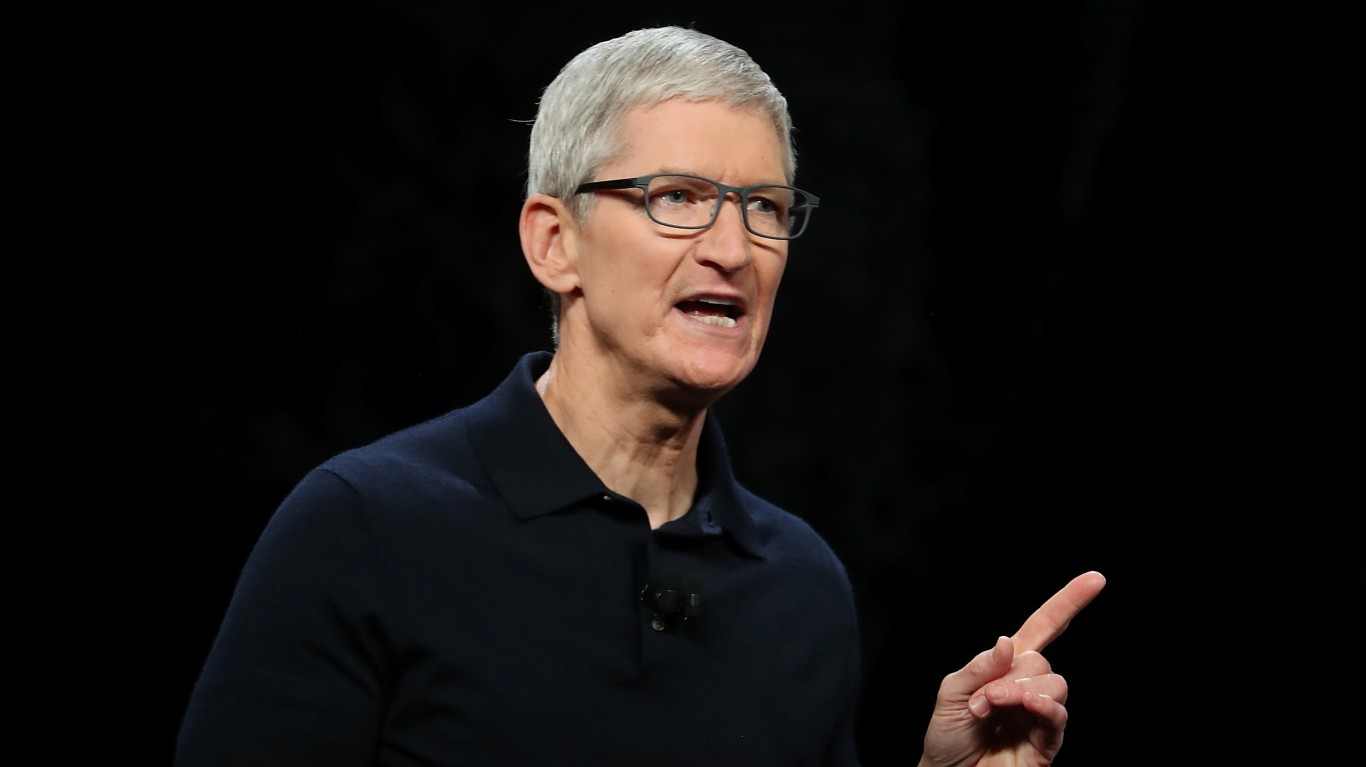
Apple printed its best March quarter on record: $111.18 billion in revenue, up 16.6%, with iPhone at $56.99 billion and Services hitting an all-time high of $30.98 billion. Tim Cook credited “extraordinary demand for the iPhone 17 lineup”. Solid, but pedestrian next to AVGO’s trajectory.
| Business Driver | Broadcom | Apple |
| Revenue growth (latest Q) | 47.9% | 16.6% |
| Net income growth | 87.5% | 19% |
| Adj. EBITDA / gross margin | 69% adj. EBITDA | 46.9% gross |
Picks-and-Shovels Vendor vs. Consumer Ecosystem
The strategies diverge sharply. Broadcom sells custom XPUs and networking silicon into hyperscaler build-outs while collecting a decade of Apple wireless royalties. Apple cannot cleanly replicate Broadcom’s radio-frequency and wireless architecture in-house, which is why the 2031 extension matters. Apple defends device margins against component cost inflation and skyrocketing foundry and memory pricing, while leaning on Services to smooth the ride.
Valuation reinforces the split. AVGO trades at a forward P/E of 20 against a PEG of 0.4. AAPL sits at a forward P/E of 32 with a PEG of 2.5. You pay more for slower growth in Cupertino.
The Next Test Is 2027 AI Revenue
Broadcom targets AI semiconductor revenue “in excess of $100 billion” in 2027, with over $30 billion in Q2 AI bookings already backing that math. Watch whether Q3 lands the guided $16 billion. For Apple, the swing factor is whether Apple Intelligence and the rumored foldable iPhone offset foundry inflation before Services growth cools.
Why I Lean AVGO Over AAPL Right Now
Broadcom looks better positioned for capital deployment on the metrics. The Apple lock-in through 2031 removes the biggest bear case, the hyperscaler order book is visible into 2028, and you pay a cheaper multiple for faster growth. Risks remain: co-founder Henry Samueli dumped hundreds of thousands of shares on June 24 in the $377 to $388 range, which is not comforting, and semiconductor cyclicality persists. For structural AI exposure with a locked-in consumer electronics annuity, AVGO is the cleaner vehicle.
Contact [email protected] for any questions or corrections.
Alex Sirois is a financial writer with experience spanning both retail and institutional investing. He has written for InvestorPlace and held roles at BNY Mellon and Bernstein, giving him a perspective that bridges Main Street portfolios and Wall Street analysis.
Alex holds an MBA from George Washington University and has built his career across multiple industries, including e-commerce, education, and translation — a breadth of experience that informs how he breaks down complex financial topics for everyday investors. His writing is conversational, actionable, and grounded in long-term, buy-and-hold investing principles.
At 247 Wall St., Alex focuses on delivering analysis that is both accessible and useful, with a clear emphasis on helping readers make more informed decisions with their money.