Economist: “The Biggest Threat” to Inflation Isn’t Buried in the June CPI Report
The June inflation report looks like good news until you hear what Moody's chief economist says keeps him up at night. One geopolitical flashpoint could unwind everything the Fed has spent seven months holding together.

This post may contain links from our sponsors and affiliates, and Flywheel Publishing may receive compensation for actions taken through them.
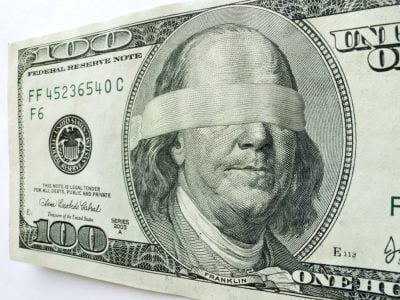
The June CPI report landed as the best inflation surprise of the year. Headline prices rose 3.5% year over year, down from 4.2% in May, and the monthly pullback was the biggest gap since April 2020. Yet the man who arguably has more real-time inflation dashboards on his screen than anyone in Washington is telling investors not to celebrate too hard.
“It suggests the worst is over, we’re past the peak and inflation should moderate,” Moody’s chief economist Mark Zandi told CNBC. “The biggest threat is that things unravel and we’re back to full-blown war with the Strait [of Hormuz] shut down.” You can read the full breakdown in CNBC’s coverage of the June report.
The June Cooldown Was an Oil Story
Strip out energy and the disinflation argument gets thin fast.
WTI crude oil peaked at $99.76 per barrel on June 3, 2026 before easing to a July 2 spot price of $69.73 after the mid-June U.S.-Iran ceasefire, giving consumers relief around the July 4th holiday. Indeed, that roughly 30.1% decline over 40 days flowed straight through to the pump, with retail gasoline falling from a May peak of $4.50 per gallon to $3.85 as of July 13.
The problem is what is underneath. Core PCE, the Fed’s preferred gauge, rose 3.4% year over year in May 2026, its highest reading since October 2023. The Vanguard 2026 outlook warned earlier this year that core inflation would likely stay above 2.5%, and the Fed’s 2% target, because of tariff pass-through and firm labor conditions, a call the data has so far vindicated.
Why the Strait of Hormuz Is the Swing Factor
Zandi’s “biggest threat” framing carries real weight. The EIA’s May Short-Term Energy Outlook pegged Strait of Hormuz-related shut-ins at nearly 10.8 million barrels per day at peak that month, with Brent averaging $117 per barrel in April and briefly hitting $138 on April 7. Roughly 20% of global oil supply passed through the strait before the February conflict began.
Any reignition takes gasoline from painful back to punishing and drags the CPI energy line from cooling the headline number to heating it back up. Energy prices fell 6% from May to June, but they’re still up 16% from a year ago, a gap a renewed strait closure would likely close fast.
What the Bond Market and the Fed Are Actually Saying
The Federal Reserve has held its target rate at 3.50%-3.75% since December 10, 2025, a span that is now more than seven months long. Before the June CPI, policymakers had warned of interest rate hikes to lean against energy-driven price pressure. Now Wells Fargo chief economist Tom Porcelli told CNBC his firm does not see a compelling reason for the Fed to raise rates if disinflation continues.
The Treasury market is not fully sold. The 10-year yield sits at 4.58% as of July 14, near the upper end of its 12-month range and up 10 basis points over the past month even as headline CPI cooled. Bond investors are pricing tail risk.
Consumer psychology confirms the wariness. The University of Michigan sentiment index printed 44.8 in May 2026, near-recessionary territory and down from 61.7 a year earlier. Households are not behaving as if the inflation fight is won, at least not yet.
What to Watch
For investors trying to position around this, three data points do more work than the CPI headline: WTI crude, the 10-year Treasury yield, and the July core PCE inflation data. If oil stays anchored in the $70s/barrel range and core PCE finally rolls over, the Fed can comfortably extend its pause and possibly cut rates into year-end. If the Strait closes again, all bets are off. The “past the peak” call gets rewritten in a hurry, and a hike returns to the table.
The June report told investors what already happened. The next inflation regime will be decided by tankers.
Contact [email protected] for any questions or corrections.
Gerelyn Terzo is the author of dividend investing handbook "Dividend Investing Strategies: How to Have Your Cake & Eat It Too." A veteran financial journalist, she covers agri-finance for outlets like Global AgInvesting and the broader stock market and personal finance for 24/7 Wall Street. She began at CNBC and later helped launch Fox Business in New York. Gerelyn currently resides in Woodland Park, Colorado and dabbles in nature photography as a hobby.