Iran Just Put SpaceX in Its Crosshairs. Should Investors Be Worried?
Iran just named SpaceX's Starlink infrastructure a military target, and that single declaration forces investors to rethink everything they assumed about owning a stake in the world's most valuable space company.

Global conflicts have a way of reshaping investment stories overnight. Companies once viewed as pure technology or growth plays can suddenly find themselves caught between governments, militaries, and international diplomacy. That doesn’t necessarily change their long-term prospects, but it does change the risks investors need to price in.
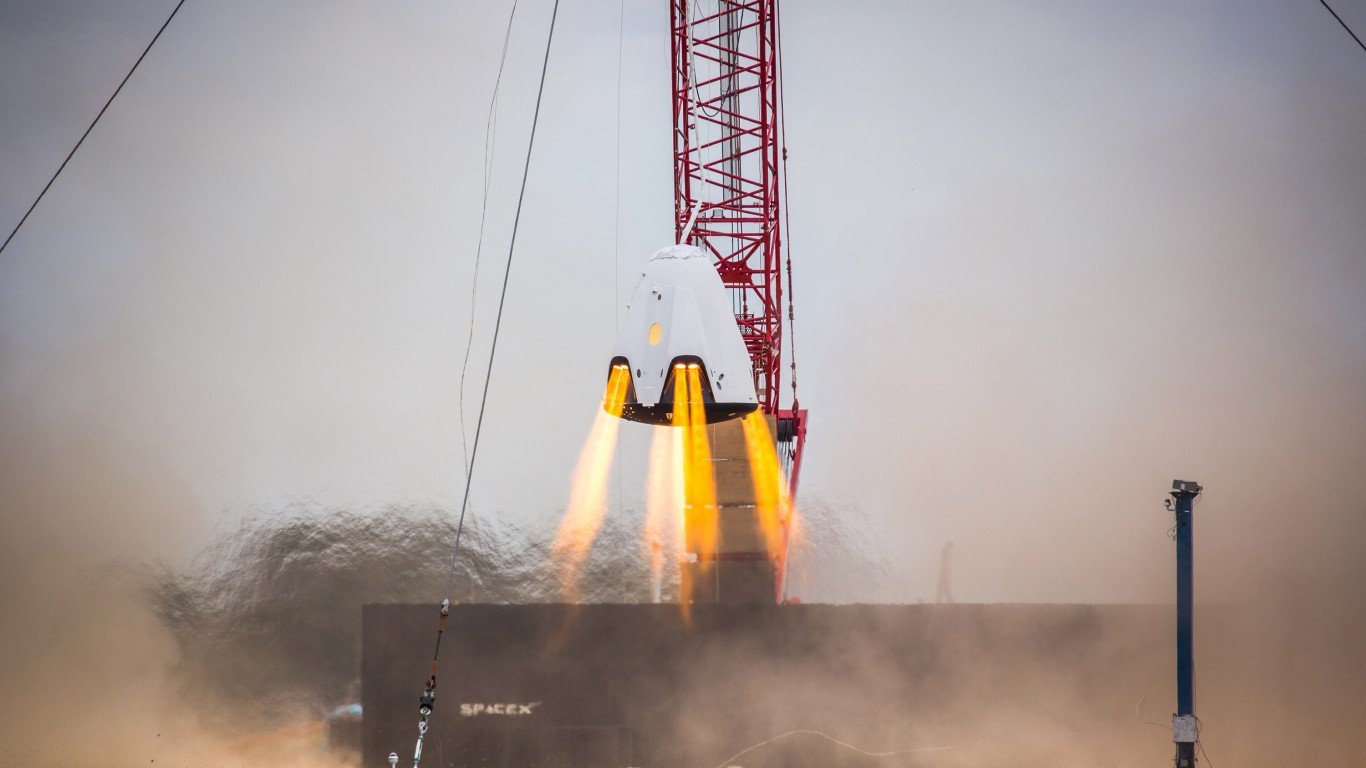
SpaceX (NASDAQ:SPCX | SPCX Price Prediction) has spent years building one of the world’s most valuable businesses through launch services and Starlink satellite internet. Now, the company is facing a challenge that has little to do with engineering and everything to do with geopolitics.
Iran’s Threat Changes The Conversation
According to CNBC, citing Iran’s state-affiliated Fars News Agency, Tehran now considers all of Elon Musk’s companies operating in the Middle East to be military targets as retaliation against the U.S. The statement specifically identified SpaceX’s Starlink infrastructure, including a regional ground station, because of its alleged support for U.S. and Israeli military operations.
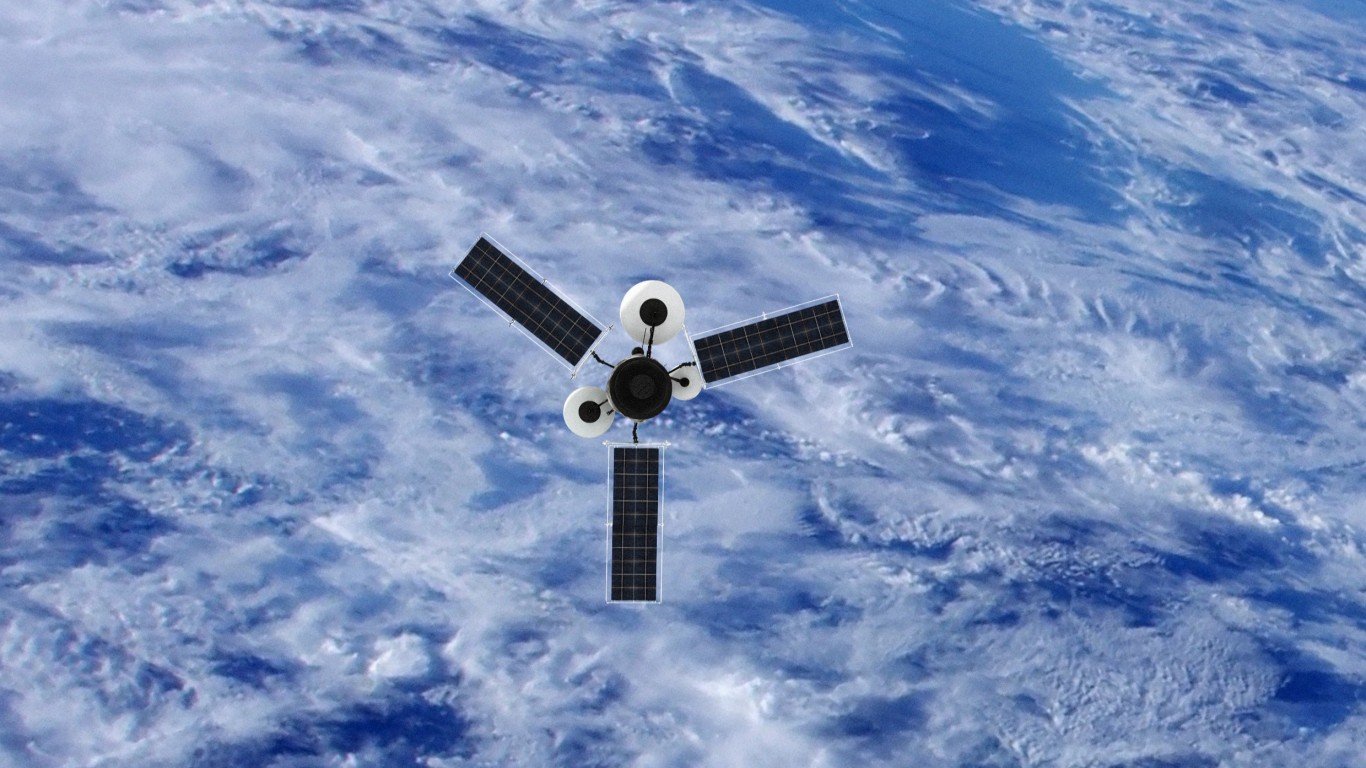
To put that into perspective, SpaceX is no longer just a commercial launch provider. Through Starlink, it has become a critical communications platform for governments, militaries, businesses, and emergency responders around the world. That dual-use nature — serving both civilian and defense customers — increasingly places the company alongside traditional defense contractors whenever geopolitical tensions rise.
Ironically, that’s also one reason investors have been so enthusiastic about SpaceX. Government demand tends to be durable.
The Business Is Growing, But So Is The Risk Profile
The company entered the public markets with an estimated valuation approaching $1.8 trillion, reflecting investors’ expectations for continued leadership in launch services, satellite broadband, and national security contracts. SpaceX also maintains a commanding lead in orbital launches through its Falcon 9 rocket while Starlink has deployed thousands of satellites, giving it a scale competitors have yet to match.
Here’s how the competitive landscape looks:
| Company | Primary Business | Key Competitive Strength |
| SpaceX | Launch services, Starlink broadband | Lowest launch costs and largest satellite network |
| Rocket Lab (NASDAQ:RKLB) | Small satellite launches | Dedicated launch services for smaller payloads |
| Amazon (NASDAQ:AMZN) Project Kuiper | Satellite broadband | Backed by Amazon’s financial resources |
| Viasat (NASDAQ:VSAT) | Satellite communications | Established commercial and government customers |
Granted, Iran’s announcement does not mean attacks will occur, nor does it suggest SpaceX’s global operations face an immediate disruption. Most of the company’s critical manufacturing and launch facilities remain in the U.S.
That said, geopolitical threats create costs even when nothing happens. Companies may face higher insurance expenses, additional security investments, operational contingencies, or delays expanding infrastructure in sensitive regions. Those are risks investors rarely model until they become unavoidable.
The Investment Thesis Hasn’t Broken
Surprisingly, the same factors drawing geopolitical attention are also reinforcing SpaceX’s competitive advantages.
Governments increasingly rely on commercial space companies rather than building every capability internally. That trend has expanded SpaceX’s addressable market across defense launches, satellite communications, and intelligence services. In many respects, becoming strategically important strengthens long-term demand even as it introduces new political risks.
The key difference for investors is that SpaceX should no longer be viewed solely as a high-growth technology company. It increasingly resembles a hybrid of a technology platform, aerospace leader, and defense contractor.
Key Takeaway
In short, Iran’s threat adds another layer of uncertainty, but it doesn’t fundamentally alter SpaceX’s long-term investment case. Investors should recognize that geopolitical exposure is now part of the company’s business model, just as it is for many major defense firms.
Regardless, SpaceX’s dominant launch position, Starlink’s expanding customer base, and growing government relationships remain the primary drivers of its long-term value. The headlines may grow more unsettling, but unless those risks begin affecting revenue, contracts, or operations, they are unlikely to outweigh the company’s powerful competitive advantages.
Contact [email protected] for any questions or corrections.
After two decades of patrolling the dark corners of suburbia as a police officer, Rich Duprey hung up his badge and gun to begin writing full time about stocks and investing. For the past 20 years, he’s been cruising the markets looking for companies to lock up as long-term holdings in a portfolio while writing extensively on the broad sectors of consumer goods, technology, and industrials. Because his experience isn’t from the typical financial analyst track, Rich is able to break down complex topics into understandable and useful action points for the average investor. His writings have appeared on The Motley Fool, InvestorPlace, Yahoo! Finance, Money Morning, and, of course, 24/7 Wall St. He has been featured in both U.S. and international publications, including MarketWatch, Financial Times, Forbes, Fast Company, and USA Today.