‘It’s Getting Close to as Good as It Gets’: Jamie Dimon Just Posted Record Profits, and Warned It Feels Like 2007
JPMorgan just shattered every record it owns, and the man who built it spent the earnings call invoking 1929, 2000, and 2007. When the most powerful banker in America celebrates peak profits by listing market crashes, something worth paying attention…

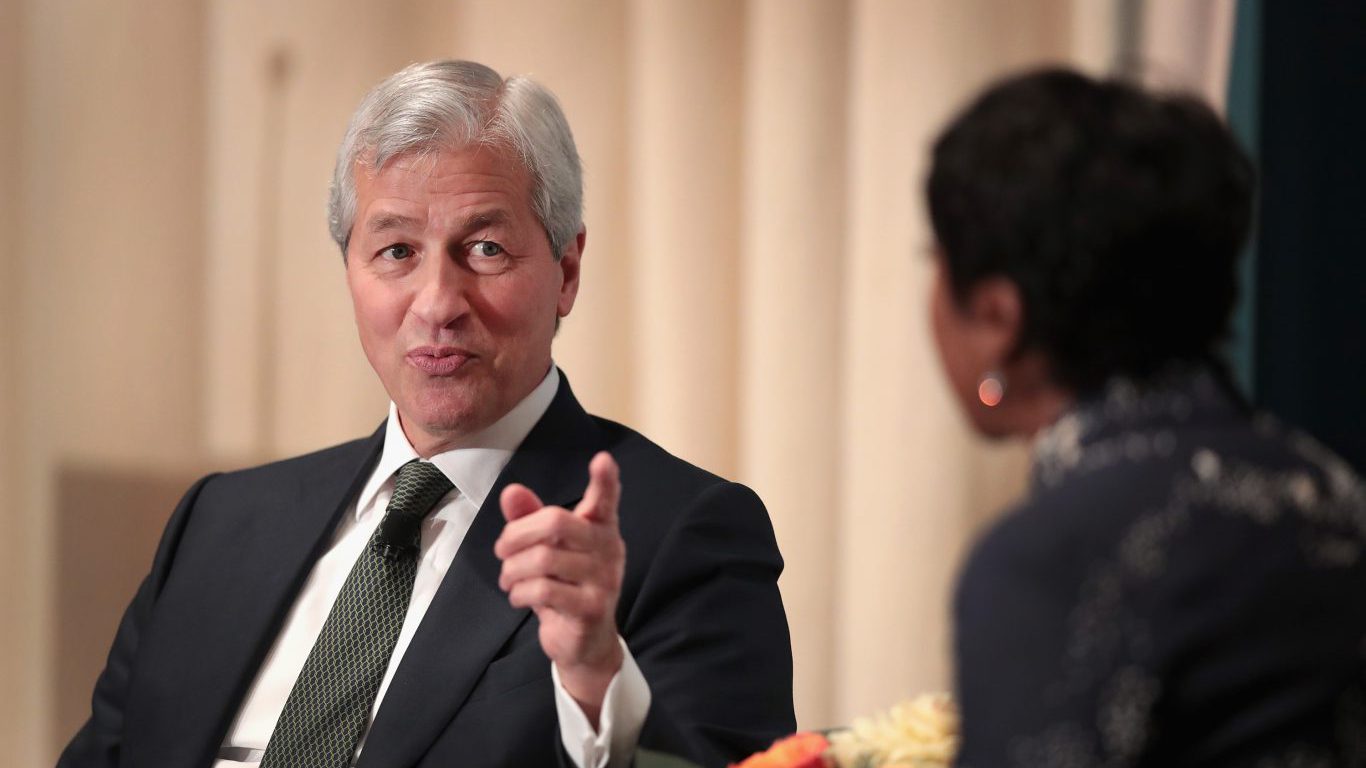
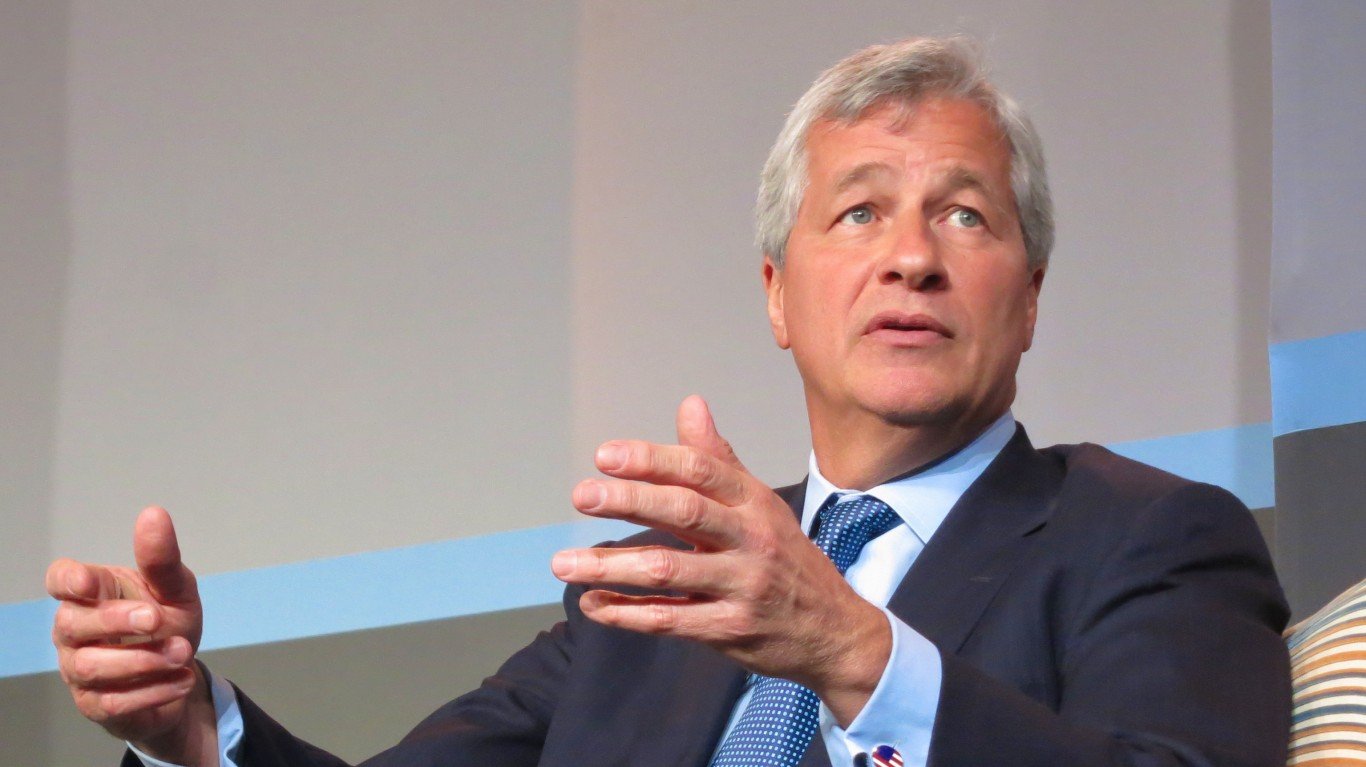
Jamie Dimon just delivered a JPMorgan earnings report for the record books, and in the same breath told everyone to enjoy it while it lasts.
JPMorgan Chase (NYSE:JPM | JPM Price Prediction) reported second-quarter 2026 net income of $21.155 billion, with core profit of $16.9 billion, on revenue of $57.347 billion. EPS came in at $7.70 versus the $5.80 estimate, a 32.76% beat. Every line of business hit a new record.

The most powerful bank CEO in America used the moment to sound a warning instead.
“It’s getting close to as good as it gets,” Dimon said on the Q2 2026 earnings call. “We just don’t know how long it will last.”
A Market Bubble Warning Wrapped in Record Profits
The headline is record profits. The subtext, from Dimon himself, is a market bubble warning, and he reached for uncomfortable history to make it.
Dimon pointed to “a lot of exuberance out there,” then named specific years when markets felt this good right before they did not: 1972, 1986, 2000, and 2007. Invoking 2007, the eve of the global financial crisis, from the CEO of the largest U.S. bank is not a casual comparison.
He was careful. Dimon described a set of risks “shifting below the surface like tectonic plates, including geopolitical tensions and wars, sticky inflation, large global fiscal deficits and elevated asset prices.”
The market seems unbothered. The VIX sits at 15.67, in the bottom 20th percentile of the past year’s range. Consumer sentiment, meanwhile, has slid to 44.8, recessionary territory. Record Wall Street profits, complacent volatility, worried Main Street.
Not Just a JPMorgan Story
Goldman Sachs (NYSE:GS) posted its own blowout, with EPS of $20.98 versus a $14.54 estimate and net income up 78.03% year over year. Goldman shares are up 57.63% over the past year; JPMorgan is up 22.34%. When the entire sector is printing money at once, it reflects an environment running hot.
What “As Good As It Gets” Means for You
First, it signals where we likely sit in the cycle. When the banker with the best real-time view says conditions are near their peak, it is worth taking seriously as a framing device.
Second, it argues for preparation over prediction. Dimon pointedly said he does not know when the cycle turns. What you can control is diversification, understood risk, and cash set aside so a downturn becomes an opportunity instead of an emergency.
Third, it reframes the record numbers themselves. Blowout profits can mark the top of a cycle. As Dimon’s own list of years suggests, they have sometimes been the last, brightest flare before the lights dimmed.
The person best positioned to see a downturn is telling you the environment is about as favorable as it gets, and quietly urging caution beneath the celebration. Check whether your finances are built for the moment after “as good as it gets,” because by definition, that is what comes next.
Contact [email protected] for any questions or corrections.
I've spent more than 15 years inside enterprise software, working alongside the finance, sales operations, and HR leaders who run the revenue engines at some of the largest tech companies in the country.
My day job is helping enterprise executives make smarter decisions about retention, compensation, and growth. These are the same operational levers that show up in every earnings report investors actually read. That perspective shapes my writing for 24/7 Wall St.
The headline numbers are easy. The interesting stuff is underneath: how companies make money, what executives are worried about, and what any of it means for the person checking their 401(k) on a Sunday afternoon. I write about personal finance and business as someone who has spent her career inside the rooms where these decisions get made.