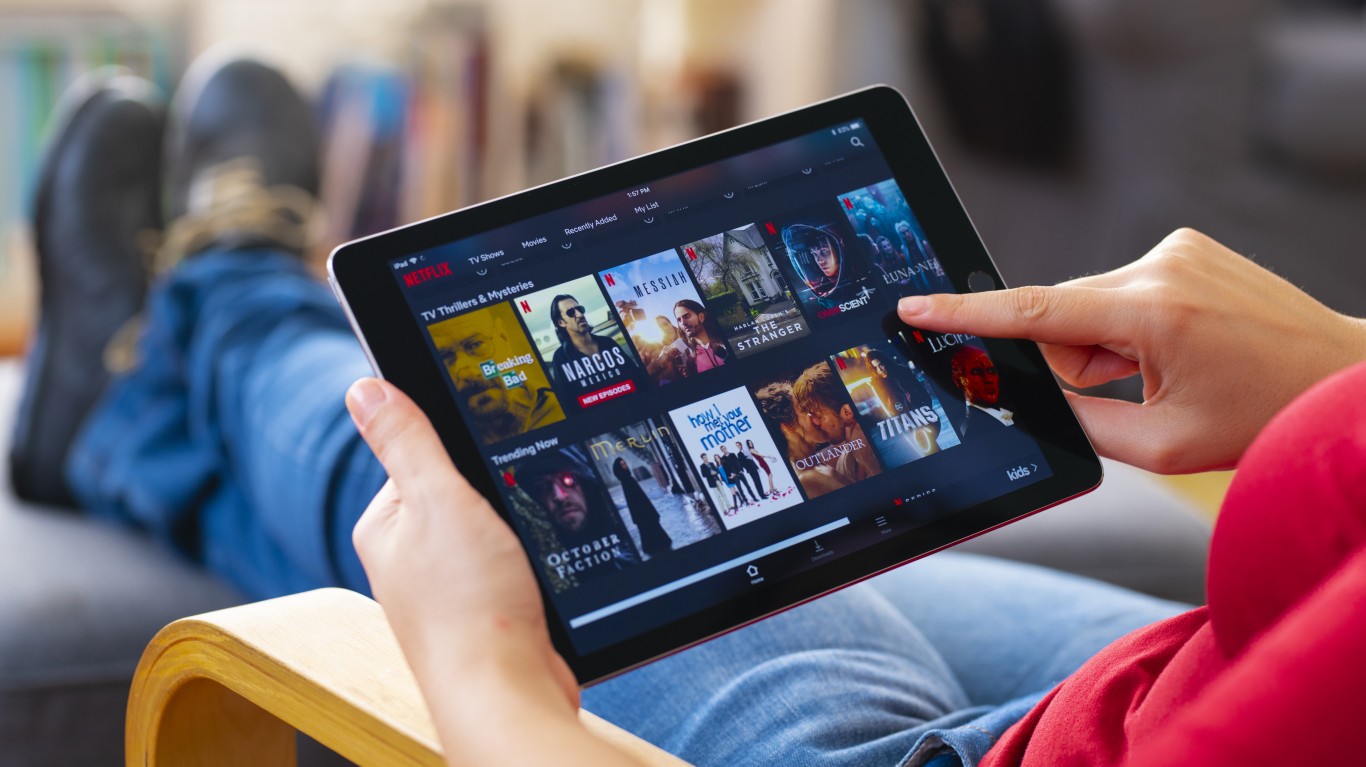
Here Is Why You Should Buy Netflix And Roku
Netflix and Roku just reported earnings that could not look more different, and understanding that gap reveals a split-ticket streaming trade worth considering before Roku's next report drops on July 30.

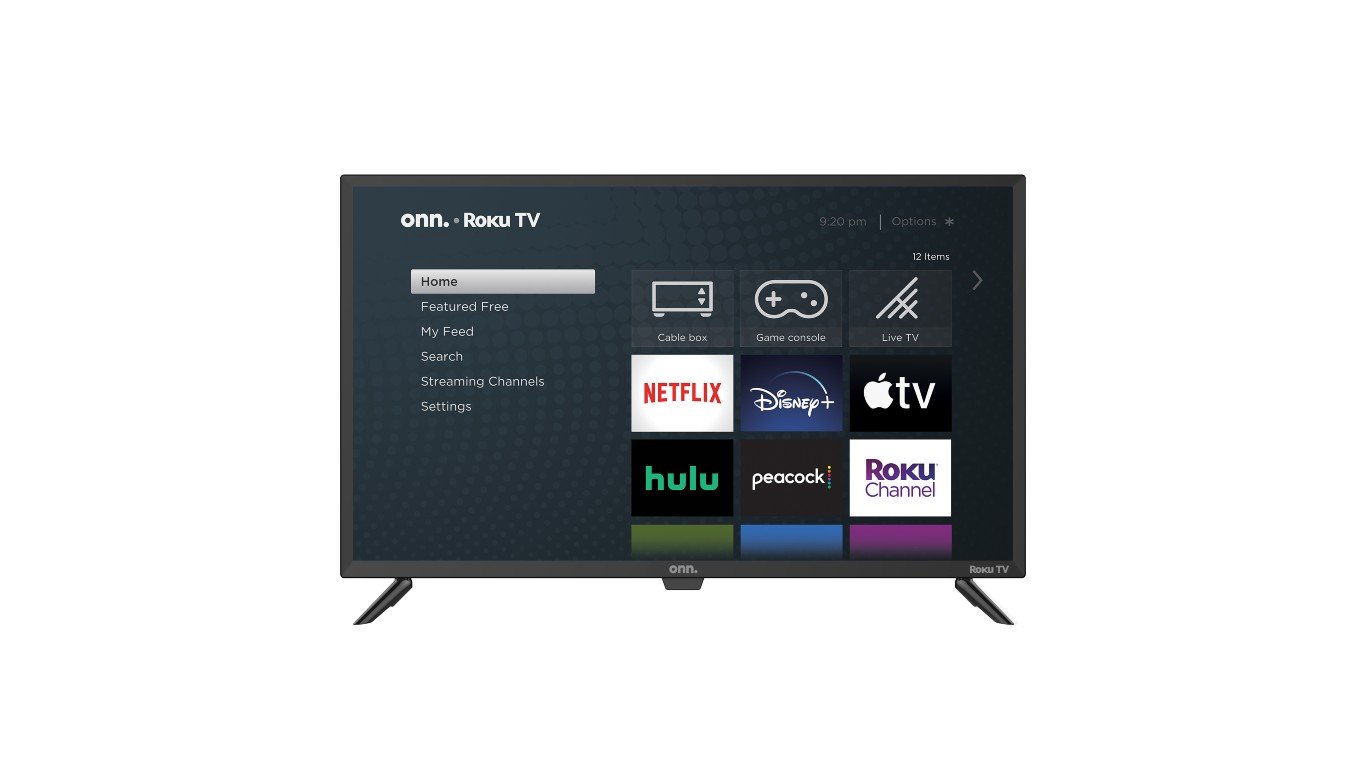
Netflix (NASDAQ:NFLX | NFLX Price Prediction) and Roku (NASDAQ:ROKU) just delivered post-earnings snapshots that could not look more different. Netflix posted its Q2 report on July 16, leaning on content, ads, and the largest buyback quarter in its history. Roku’s Q1, filed April 30, showed a platform business finally translating scale into consistent profits.
Big Content Wins Meet Ad Tech Roars
Netflix delivered EPS of $0.80 on revenue of $12.559 billion, growing 13.37% YoY. Operating margin held at 33.4%, doing the heavy lifting. Titles like Apex (131M views) and Swapped (137M views) kept engagement steady while price hikes in the US, Mexico, and Spain landed without much pushback.
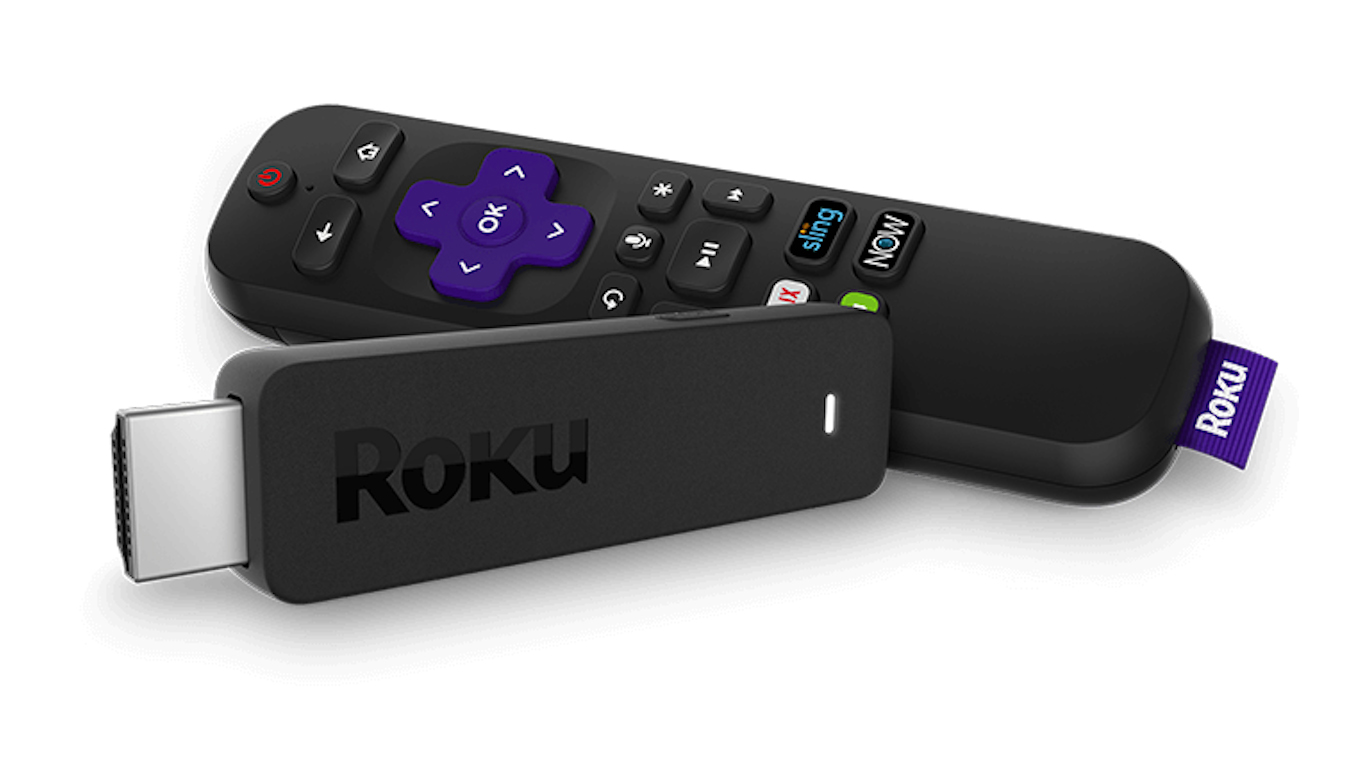
Roku’s quarter was louder in percentage terms. Platform revenue climbed 28% YoY to $1.13 billion, with Advertising up 27% and Subscriptions up 30%. CEO Anthony Wood told investors, “We delivered an outstanding first quarter.” Devices slipped 16%, a reminder that the hardware business still runs at a loss.
One Owns the Screen, the Other Owns the Feed
| Lens | Netflix | Roku |
| Core Bet | Content plus live sports | Programmatic ads and SMBs |
| Growth Lever | Ad tier doubling to ~$3B | Platform toward ~$5B |
| Capital Return | $27.1B buyback remaining | $400M program |
| Key Risk | $1B debt maturing 2026 | Memory chip supply squeeze |
Netflix is chasing time on screen with an expanded NFL package including Thanksgiving Eve and Christmas Gameday, plus creator deals with Ms. Rachel and Mark Rober. Roku is chasing the dollars flowing through its pipes, integrating with DV360, Amazon DSP, and The Trade Desk. Advertiser count on Roku Ads Manager more than doubled YoY. Two very different revenue engines.
The Next Test Sits in Very Different Places
For Netflix, I want to see ad revenue actually reach that $3.0 billion target while free cash flow rebounds from Q2’s $1.525 billion figure. Reddit chatter has soured alongside a 26.91% YTD drop, with a thread called “Netflix’s Growth Engine Is Stalling” gaining traction. For Roku, the tell will be Q2 earnings on July 30. Polymarket traders put the odds of a beat at 87%, though I take small-volume markets with a grain of salt.
Why I’d Split the Ticket
Personally, I lean Netflix for stability. The sell-off dragged shares to $68.53, and a P/E near 21 feels reasonable for a business guiding to roughly $12.5 billion in free cash flow. For investors researching more torque, Roku offers a different profile. Platform economics are compounding, and reaching $1 billion of Free Cash Flow by 2028 would reprice the shares meaningfully. I would hesitate on Roku if memory chip costs pressure device margins harder than expected. Together, the pair covers the defensive and growth ends of streaming.
Contact [email protected] for any questions or corrections.
Alex Sirois is a financial writer with experience spanning both retail and institutional investing. He has written for InvestorPlace and held roles at BNY Mellon and Bernstein, giving him a perspective that bridges Main Street portfolios and Wall Street analysis.
Alex holds an MBA from George Washington University and has built his career across multiple industries, including e-commerce, education, and translation — a breadth of experience that informs how he breaks down complex financial topics for everyday investors. His writing is conversational, actionable, and grounded in long-term, buy-and-hold investing principles.
At 247 Wall St., Alex focuses on delivering analysis that is both accessible and useful, with a clear emphasis on helping readers make more informed decisions with their money.