Nancy Pelosi’s Family Turned $30 Million Into $278 Million Trading Stocks. Congress Just Voted to Ban It During Her Final Term.
For years, Paul Pelosi's stock trades attracted more scrutiny than almost any other portfolio in America, and Congress finally moved to shut that door just as Nancy Pelosi prepares to walk out of it for good.

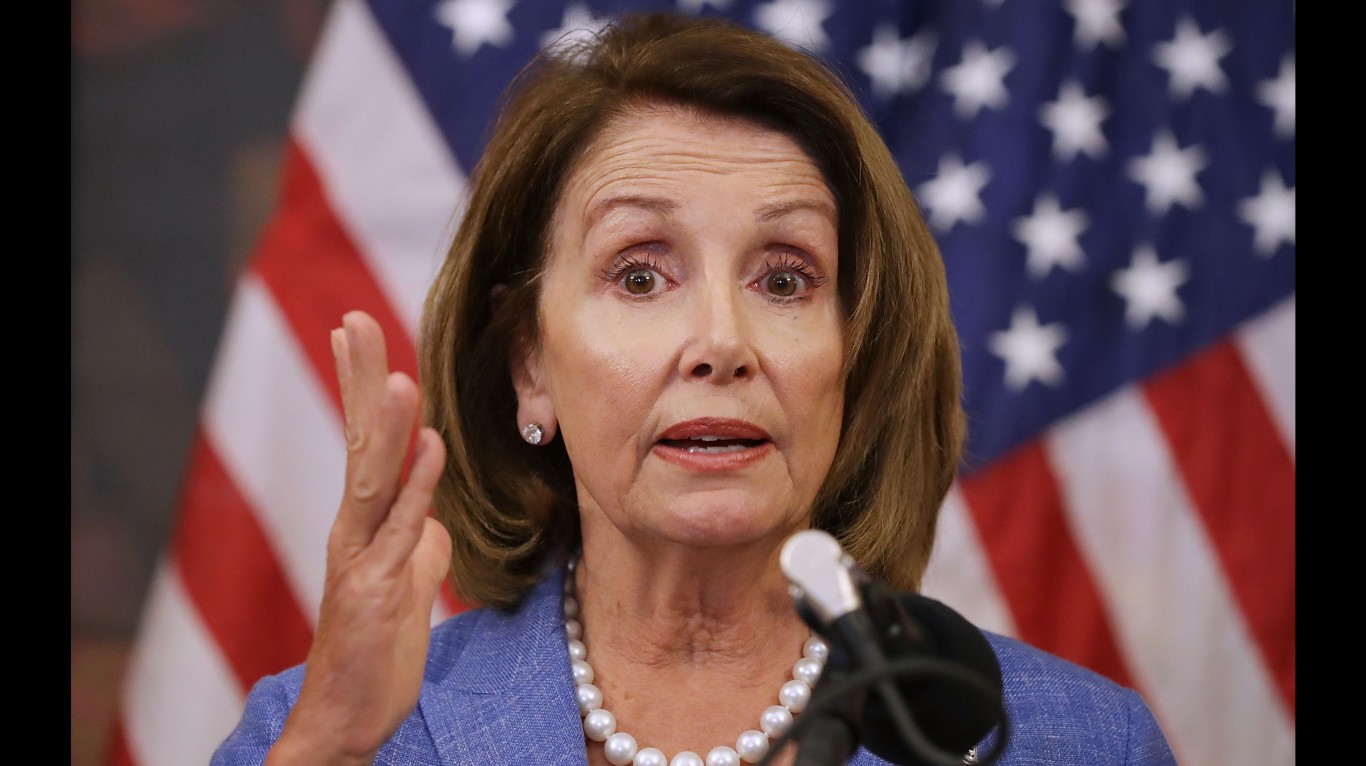
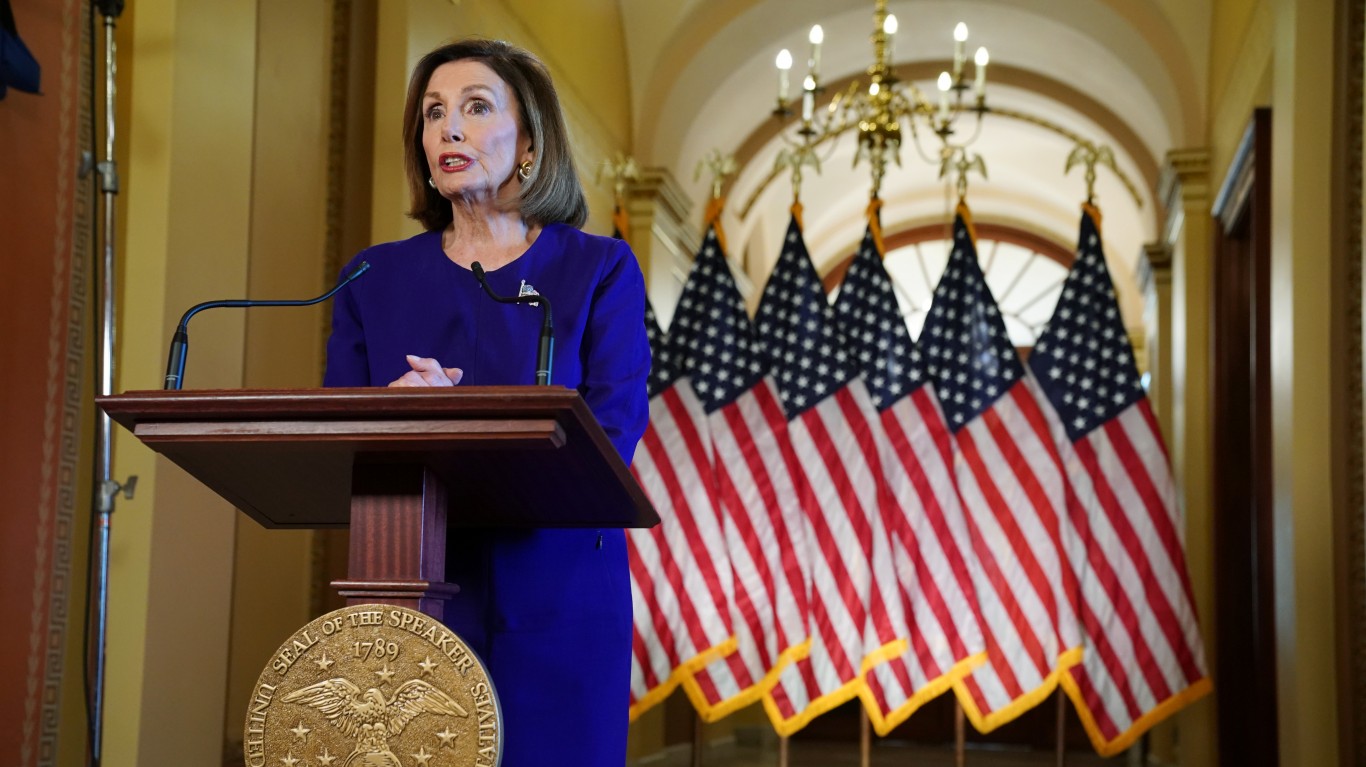
The U.S. House of Representatives voted 232-198 on July 22, 2026 to pass the Stop Insider Trading Act, barring members of Congress, their spouses, and dependent children from buying individual publicly traded stocks. The vote arrived in the final months of Nancy Pelosi’s congressional career, capping a tenure in which her family’s brokerage account became the country’s most-tracked political portfolio and the case study driving the very reform she long resisted.
The bill, introduced in January 2026 by Rep. Bryan Steil (R-WI), prohibits members and immediate family from purchasing individual equities and requires public disclosure of any intended sale at least seven days in advance. Nearly all Republicans, joined by at least 13 Democrats, supported passage.
The measure now heads to the Senate, where it has no companion vote scheduled. A parallel bill, the PELOSI Act, led by Sen. Josh Hawley, has cleared committee but has not received a full Senate vote. Similar proposals have repeatedly stalled since the STOCK Act of 2012 required only after-the-fact disclosure.
Pelosi’s Reversal
Pelosi, who spent years arguing that lawmakers and their families should retain the right to participate in the stock market, publicly endorsed the ban ahead of the vote, a notable reversal for a Speaker Emerita whose earlier resistance drew sustained criticism from members of both parties.
The trades that fueled that criticism came from her husband. Paul Pelosi, a venture capitalist manages the family’s brokerage activity, and his well-timed purchases of technology names, including options positions in NVIDIA (NASDAQ:NVDA | NVDA Price Prediction) and other megacaps, have been closely mirrored by retail traders through copycat exchange-traded funds and social media accounts.
The Numbers Behind the Symbol
Public trackers put the Pelosi family stock portfolio at roughly $30.6 million, with total family net worth estimated at $278 million to $280 million once real estate and other holdings are included, according to Quiver Quant and similar services. Those figures should be read separately: the equity portfolio is one slice of the balance sheet, and the broader net worth reflects decades of accumulated assets rather than trading returns alone.
Separately reported performance figures have driven the political narrative. Yahoo Finance and other outlets have cited a cumulative return of 16,930% tied to the family’s disclosed positions. Trackers reported the portfolio gained 70.9% in 2024, versus 24.9% for the S&P 500. For context, the SPDR S&P 500 ETF (NYSEARCA:SPY) returned 24% over calendar year 2024.
A Career Winding Down
Pelosi announced her retirement in November 2025. Her current term, representing California’s 11th district, is her last and ends January 3, 2027. If the Senate acts on the House bill or on Hawley’s PELOSI Act before then, the trading restrictions would take effect in the same window she leaves office, an alignment that has given the legislation much of its symbolic weight.
The signal to watch is Senate Majority Leader scheduling. Hawley’s measure sits with committee approval in hand; the House bill arrives with bipartisan cover. Whether either reaches the floor before the 119th Congress adjourns will determine if the reform outlasts the lawmaker whose family portfolio, more than any other, made the case for it.
Contact [email protected] for any questions or corrections.
Joel South covers large-cap stocks, dividend investing, and major market trends, with a focus on earnings analysis, valuation, and turning complex data into actionable insights for investors.
He brings more than 15 years of experience as an investor and financial journalist, including 12 years at The Motley Fool, where he served as an investment analyst, Bureau Chief, and later led the Fool.com investing news desk. He has also co-hosted an investing podcast and appeared across TV and radio discussing market trends.