Live coverage has ended. The full story is below.
It’s another day of mixed market madness.
All as investors wait to see what the Federal Reserve has to say, and as the on-again, off-again war with Iran is back on, with the Saudis now attacking Iran, as well. At the moment, the S&P 500 is up about 0.12%, or by nine points. The SPDR S&P 500 ETF (SPY) is down about 0.05%, or by 42 cents. The Nasdaq is up about 0.16%, or 44 points, while the Dow sinks 0.43%, or 230 points. Not helping, oil is up by $3.82 at $83.08.
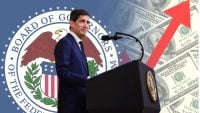
There’s a good deal of uncertainty with the Federal Reserve.
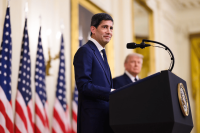
The main question facing the Fed is whether interest rates should stay where they are or move higher to continue fighting inflation. At the center of the debate is Fed Chair Kevin Warsh, who has taken a cautious approach and has provided fewer signals about what the central bank plans to do next. Because Warsh has avoided giving much guidance about future decisions, investors and economists have been left trying to predict the Fed’s next steps.
Recent data has offered some positive news. Inflation slowed in June, and energy prices have declined, reducing some pressure on consumers and businesses. However, inflation is still above the Fed’s long-term goal of 2%, which means officials remain concerned that price increases could continue.
Some Fed officials believe interest rates may need to rise further to ensure inflation continues to decline. Others argue that the economy has already faced enough pressure from higher borrowing costs. The Fed’s decision will depend on how officials interpret the latest economic information, including inflation trends, employment conditions, and overall economic growth.
There’s even more uncertainty with Iran.
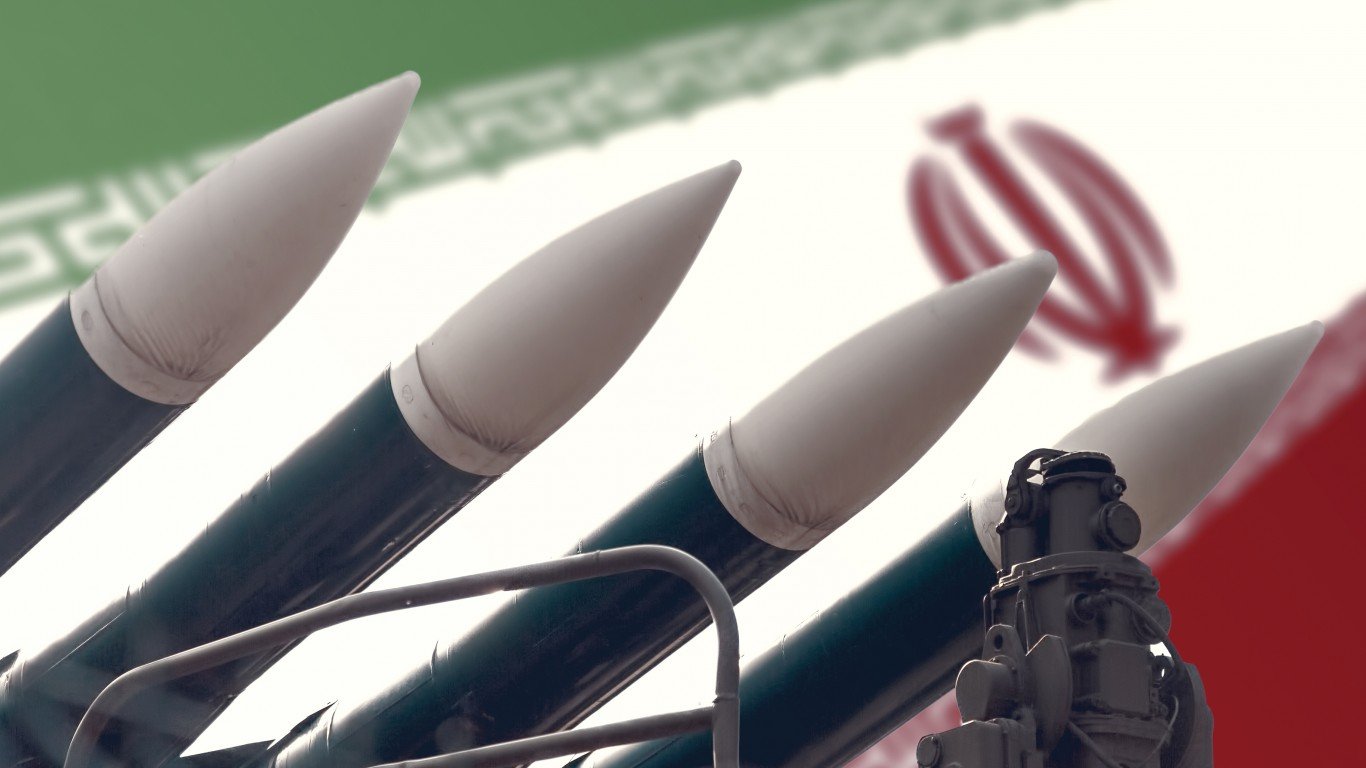
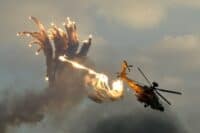
According to U.S. military officials, Iran launched multiple ballistic missiles toward American forces in the region. U.S. Central Command said its defenses successfully intercepted the missiles before they could hit their targets.
The missile attack came after a period of relative calm, but tensions between the United States and Iran have continued to build. The two countries have been involved in a wider confrontation across the Middle East, with attacks, airstrikes, and threats affecting several countries in the region. Following the interceptions, the United States and Saudi Arabia carried out strikes against Iran-backed armed groups in Iraq.
The situation has raised concerns that the conflict could spread further. The Middle East is home to important military bases, shipping routes, and energy supplies, meaning continued fighting could affect countries far beyond the region.
Contact [email protected] for any questions or corrections.