Warsh Takes the Fed (and Inherits Trump’s Economy)
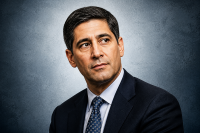
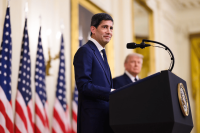
Kevin Warsh is officially the next leader of the Federal Reserve. The Senate confirmed him on Wednesday by a vote of 54 to 45, making him the 17th chair in the central bank’s history. He takes over when Jerome Powell’s…

This post may contain links from our sponsors and affiliates, and Flywheel Publishing may receive compensation for actions taken through them.
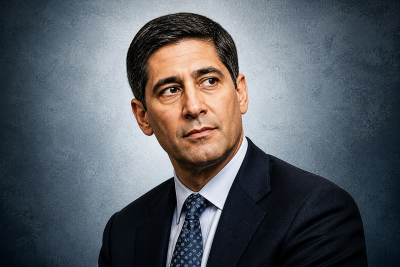
Kevin Warsh is officially the next leader of the Federal Reserve. The Senate confirmed him on Wednesday by a vote of 54 to 45, making him the 17th chair in the central bank’s history. He takes over when Jerome Powell’s term ends on Friday.
The vote was almost entirely along party lines. Every Republican supported him. Only one Democrat, Senator John Fetterman of Pennsylvania, voted yes. That makes Warsh the most narrowly supported Fed chair in modern memory, according to Axios.
A Familiar Face Returns to the Fed
Warsh is not new to the Federal Reserve. He served as a Fed governor from 2006 to 2011, where he was a close ally of then-chair Ben Bernanke during the response to the 2008 financial crisis. At the time of his appointment, he was the youngest governor on record.
He stepped down in 2011 and has since become one of the Fed’s loudest critics. He has argued that the institution has grown too large, too willing to step into the economy, and was too slow to react when inflation spiked in 2021 and 2022.
Now he has the job, and the chance to do something about it.
The Economy He’s Inheriting
The backdrop is complicated. Financial markets are buoyant and there is an ongoing growth surge tied to artificial intelligence. At the same time, Americans are not feeling good about the economy.
Consumer sentiment is running at recession-level lows despite low unemployment and solid economic growth. The reason is straightforward: prices. Inflation has been elevated for five straight years and has spiked again because of the war involving Iran.
April inflation data, released over the past two days, pointed to renewed price pressures while the job market continues to hold up.
The Pressure to Cut Rates
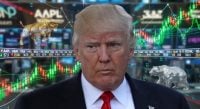
President Trump has been public and persistent in demanding that the Fed lower interest rates. Warsh has previously made his own case for cuts, arguing that the United States is in the middle of a 1990s-style boom in productive capacity that could justify lower rates without fueling inflation.
The new data complicates that argument. If prices are climbing again and the labor market is steady, the case for cuts gets harder to make.
Warsh also does not get to make that call alone. Interest rate decisions are made jointly by the Fed’s policy committee, and Axios reports he is likely to face an uphill battle persuading his colleagues to move quickly.
A Fight Over Fed Independence
Warsh takes the job at a moment when the Fed’s traditional independence from the White House is under unusual strain.
A Supreme Court case is pending over whether President Trump can fire Lisa Cook, a Fed governor appointed by President Biden. And in an unusual move, Jerome Powell is staying on the Fed’s Board of Governors after his term as chair ends because he views a Trump administration threat to reopen a criminal investigation into the Fed’s building renovations as ongoing.
That backdrop is part of why Democrats lined up against Warsh. Many questioned whether he can stay independent of the president who chose him.
What Comes Next
Warsh has signaled big changes ahead. He has authority over staffing at the Board of Governors and has hinted he wants to rework how the Fed communicates with the public, including being more skeptical of detailed guidance about future policy moves and frequent press conferences.
The bigger leadership team, including the other governors and the 12 regional reserve bank presidents, is largely set.
The real test is whether Warsh can bring prices back under control in a way Americans actually feel, while a vocal president looks over his shoulder.
Contact [email protected] for any questions or corrections.
Don Lair writes about options income, dividend strategy, and the kind of boring-but-durable investing that actually funds retirement. He's the founder of FITools.com, an independent contributor to 24/7 Wall St., and a former writer for The Motley Fool.