Memory Stocks Are Crashing—Analysts’ Lofty Targets Might Not Survive This Drop
Memory chip stocks are bleeding out and panic is spreading fast, but a counterintuitive case is forming for why the carnage might actually be creating the most compelling setup AI investors have seen all year.

It’s been a rough past couple of weeks for the tech sector, thanks in part to weakness in the semiconductor names, with the memory chips falling into the blast zone. It’s not all that often you see shares of a company nosedive by double-digit percentage points in just a single day.
And while the top memory chip names seem almost untouchable with all the negative momentum behind them, it is times like these, when fear has taken control and crashes hit violently, that the biggest bargains tend to be created, as investors begin panic-selling over fears of the worst.
It’s been a bruising time for AI investors
Indeed, AI investors who’ve concentrated in the semis are in a world of pain right now, especially those who have more than their fair share in the memory and storage stocks, with names like SK Hynix (NASDAQ:SKHY) and Sandisk (NASDAQ:SNDK | SNDK Price Prediction) taking on the brunt of the damage in the latest round of the semi sell-off.
While there are sure to be glimmers of hope for the cohort, perhaps one that might see the semis gain double-digit percentage points in an epic rebound, the stakes remain incredibly elevated for the bulls and the bears.
With AI investors like Leopold Aschenbrenner of Situational Awareness selling stock amid the latest slump, questions linger as to whether this latest crash in memory chip stocks and AI neocloud plays is one that will be long, drawn out, and incredibly painful, or if a turning point will hit in a timely manner as the next big AI breakthrough or monetization opportunity reignites the rotation back into the hardware names standing behind the AI revolution.
Hyperscalers have every reason to keep spending heavily
With Microsoft (NASDAQ:MSFT) delivering a shocker while Amazon (NASDAQ:AMZN) guides even higher on CapEx, now forecasting $220 billion for the year, thanks in part to higher memory costs, perhaps it’s no mystery as to why it might be a mistake to throw in the towel on the memory chip names now that they’ve already been punished. Indeed, the AI revolution is still on, CapEx is still rising, and it looks like the hyperscalers have no choice but to pay up or miss out.
Indeed, Amazon’s raising of the bar on AI-related CapEx might just help the memory names settle after a horrific past several weeks. It seems like there might be no floor, but, in my view, I do think that a bit of nibbling while most others are running scared could be the move for those AI investors with the risk appetite and the horizon.
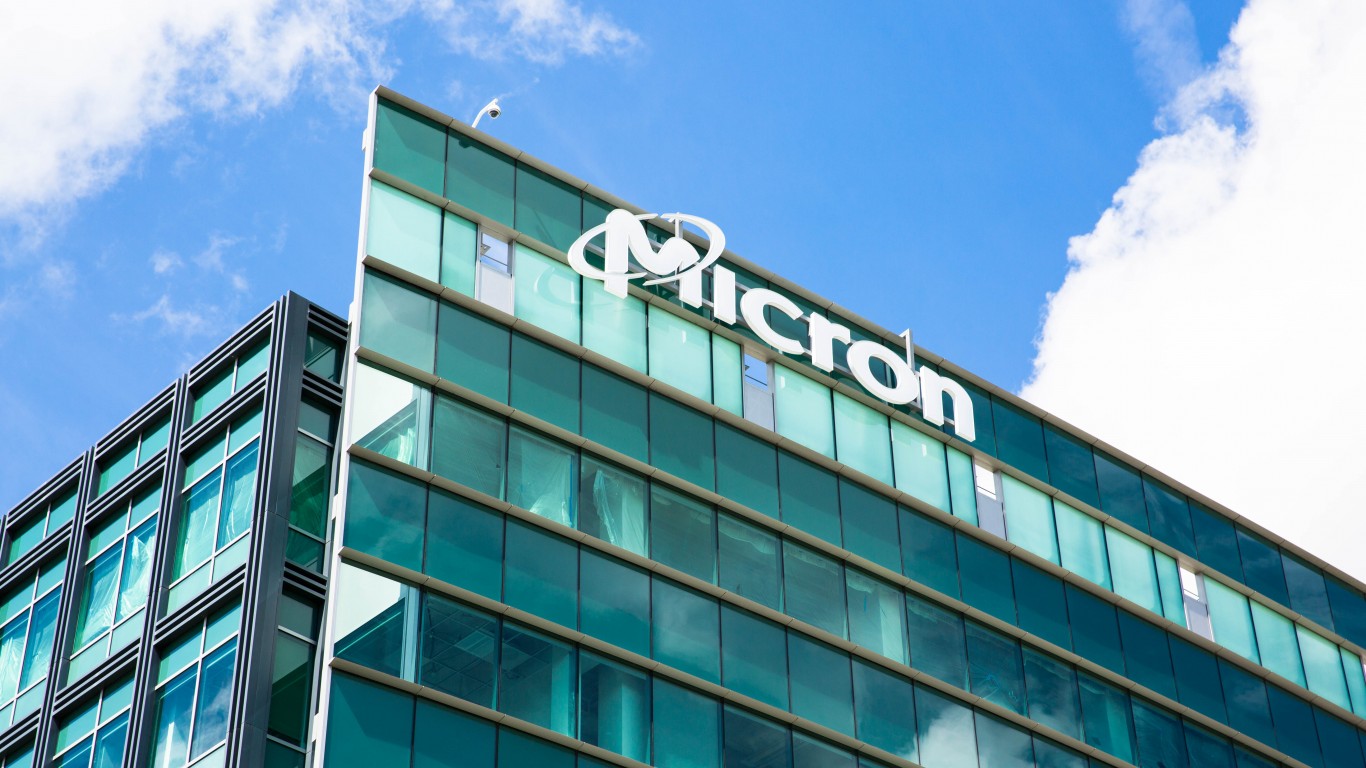
The further memory chip stocks, like Micron (NASDAQ:MU), sink, the lower the price of admission and the higher the implied upside on the slate of Wall Street analyst price targets.
As it stands right now, it looks like analysts are staying the course with the memory plays, especially since nothing fundamental has shifted since the names peaked back in June. At this juncture, the big question is whether those hefty price targets are overdue for a bit of trimming in response to the vicious bear market moving through the semi space.
Analysts are right to stand by the memory chip targets on the way down
In my humble opinion, I think analysts are right to hold the line. But, unless we have more days like Thursday that saw names like Micron pop close to 19% in a single trading session, I certainly wouldn’t be surprised or rattled in the slightest if someone were to slash their price target after the fact. When those truly nasty crashes do hit, sometimes it’s not all too uncommon to see analysts revisiting the drawing board and lowering the bar on price targets that otherwise would have implied upside that’s getting ridiculous.
So, are analyst price targets starting to get out of touch after the latest round of selling? It feels like hyperscaler CapEx fatigue might be more of an illusion than anything else, even though efficiency and token affordability have been the talk of the town of late.
With Micron stock’s Street-high target still pinned at $2,200 per share, which entails more than 150% upside even after Thursday’s massive jump, I do understand why some would think that a price target reduction is imminent. At the same time, though, a memory rebound could have the potential to be fierce. And with an absolutely ridiculous 4.8 times forward price-to-earnings (P/E) multiple on Micron shares, the value case as well as the now-heightened price targets of analysts might survive the latest slide after all.
Contact [email protected] for any questions or corrections.
Joey is a 24/7 Wall St. contributor and seasoned investment writer whose work can also be found in publications such as The Motley Fool and TipRanks. Holding a B.A.Sc in Computer Engineering from the University of British Columbia (UBC), Joey has leveraged his technical background to provide insightful stock analyses to readers.
Joey's investment philosophy is heavily influenced by Warren Buffett's value investing principles. As a dedicated Buffett disciple, Joey is committed to unearthing value in the tech sector and beyond.