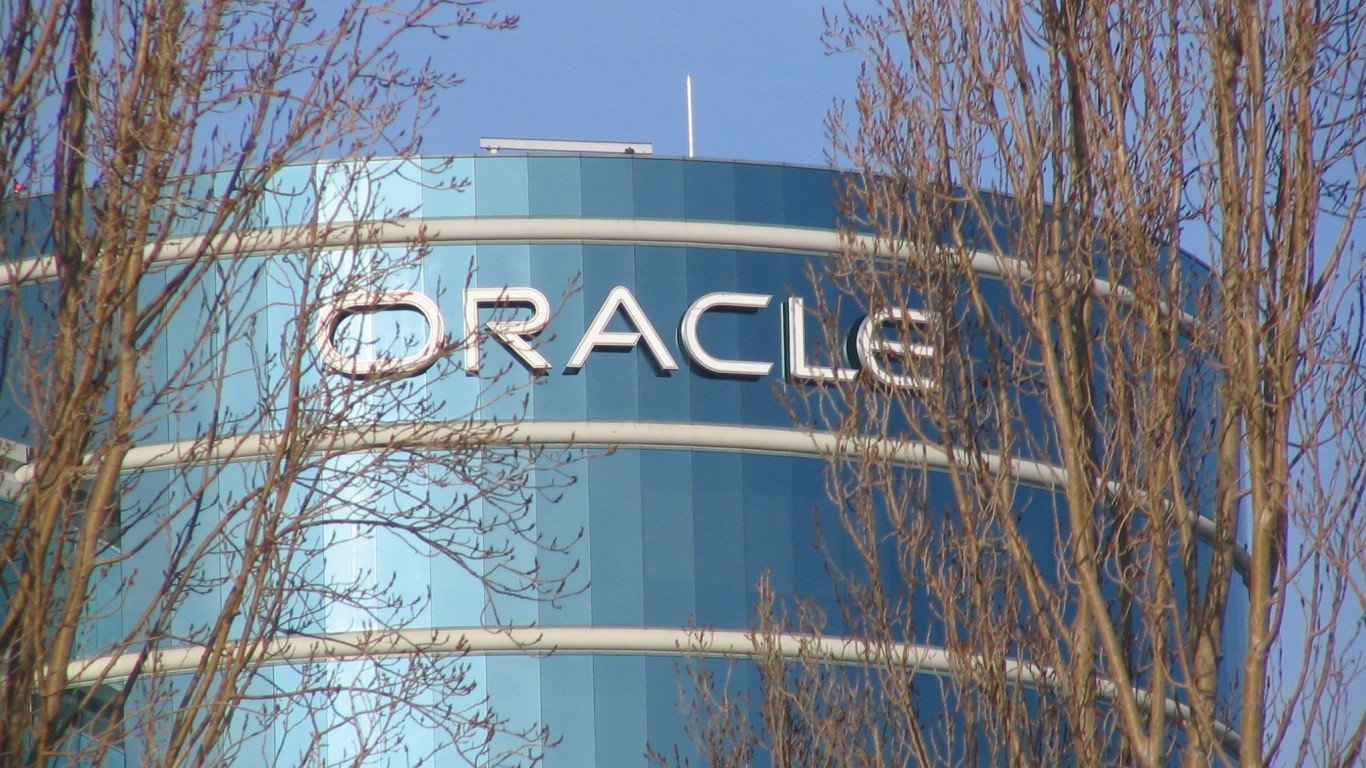
The Pentagon Just Threw Larry Ellison a $7 Billion Lifeline. Will It Be Enough to Stop the Oracle Crash?
Oracle just scored a blockbuster Pentagon contract while its stock sits near a decade low and Larry Ellison has watched more than $200 billion evaporate from his net worth. Whether this deal signals a genuine turning point or just buys…


The Pentagon just handed Oracle (NYSE:ORCL | ORCL Price Prediction) a headline win. On July 23, 2026, the U.S. Department of Defense awarded Oracle a nearly $7 billion contract to provide software and services to U.S. military branches, the Coast Guard, and the intelligence community for the next decade. Shares popped over 3% on the news. The question for investors is whether a single deal can offset a crash that has erased more than half the stock’s value in ten months.
The Enterprise Software Agreement, negotiated via the Department of the Navy, consolidates on-premises licensing, maintenance, and consulting across the Pentagon into a single contract with a five-year base period and a five-year option. DoD Chief Information Officer Kirsten Davies said the structure will save taxpayers at least $441 million versus the prior fragmented approach.
The Crash the Contract Is Meant to Cushion
The backdrop is brutal. Oracle closed at $120.04 on July 23, 2026, down 46.11% from its September 2, 2025 level of $222.75 and 49.81% lower over the past year. The stock fell 27.06% in the past month alone. CNBC and Forbes have chronicled a 19% single-week decline in late June, Oracle’s worst week since the 2001 dot-com bust.
The pain has been personal for Chairman Larry Ellison. His net worth peaked near $388 billion in September 2025, briefly making him the world’s second-richest person. By July 13, 2026, it had fallen to roughly $175 billion, a decline of about $213 billion in under 10 months, dropping him to No. 8 on the Bloomberg Billionaires Index.
Debt, Capex, and a Credit Warning
The selloff traces to Oracle’s AI infrastructure buildout. Capital expenditures reached $55.66 billion in fiscal 2026, driving free cash flow to negative $23.69 billion. Total liabilities stand at $218.70 billion, and management plans to raise ~$40 billion in FY2027 through debt and equity financing, including a $20 billion at-the-market equity issuance program.
Bond markets are flashing yellow. S&P Global Ratings cut Oracle’s credit rating to BBB-, one step above junk status, and five-year credit default swaps reached a near 18-year high of 2.03 percentage points. Oracle laid off approximately 21,000 employees, about 13% of its staff, and faces a $7 billion collateral requirement for its Wisconsin data center tied to the downgrade.
The Bull Case Still Stands
Growth is genuine. Cloud Infrastructure revenue climbed 93% year over year to $5.79 billion in the most recent quarter, and remaining performance obligations expanded to $638 billion, up 363% YoY. Mizuho has reaffirmed its Outperform rating with a $320 price target, and the consensus analyst target sits at $249.24.
Scale Check
Set the Pentagon award beside Oracle’s balance sheet and the framing tightens. The $7 billion contract is roughly 3% the size of Oracle’s outstanding debt load and a fraction of a single year’s capex. It is real revenue, spread over as much as a decade, arriving as management prepares to tap markets for tens of billions more. Whether that is a lifeline or a life raft is a judgment the debt figures will ultimately settle.
Contact [email protected] for any questions or corrections.
I've spent more than 15 years inside enterprise software, working alongside the finance, sales operations, and HR leaders who run the revenue engines at some of the largest tech companies in the country.
My day job is helping enterprise executives make smarter decisions about retention, compensation, and growth. These are the same operational levers that show up in every earnings report investors actually read. That perspective shapes my writing for 24/7 Wall St.
The headline numbers are easy. The interesting stuff is underneath: how companies make money, what executives are worried about, and what any of it means for the person checking their 401(k) on a Sunday afternoon. I write about personal finance and business as someone who has spent her career inside the rooms where these decisions get made.