




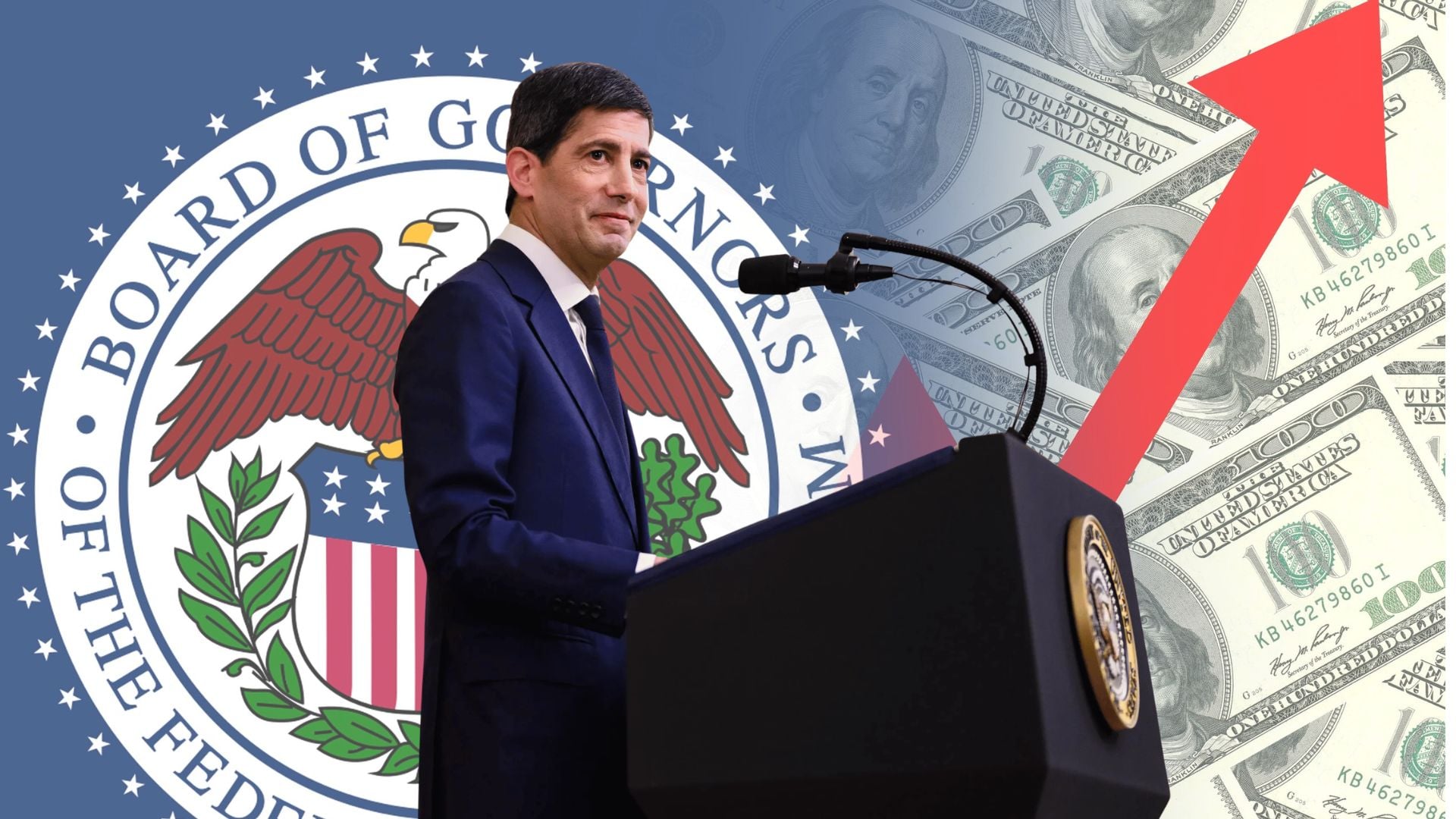
For most of this year, investors have obsessed over one question: when will the Federal Reserve finally begin cutting interest rates? Every inflation report, jobs release, and manufacturing survey has been dissected for clues. That scrutiny has only intensified since Federal Reserve Chair Kevin Warsh has made it clear the central bank intends to offer less forward guidance, forcing markets to rely more heavily on incoming economic data instead of Fed forecasts.
While many investors still expect the next rate increase — if one comes at all — to happen in 2027, a major economic report released yesterday suggests that timeline may be too optimistic.
Manufacturing Is Sending a Very Different Message
The Institute for Supply Management’s (ISM) manufacturing index climbed to 55.6, its highest reading since May 2022. More importantly, it marked the seventh consecutive month above the key 50 threshold that separates expansion from contraction. It shows instead of rolling over, the U.S. economy is gaining momentum.
Normally, stronger economic growth is exactly what stock investors want to see. Healthy manufacturing activity typically leads to higher business investment, stronger hiring, and rising corporate earnings. Yet the Fed has a different priority.
Its federal funds target range remains 3.50% to 3.75% after holding rates steady at its July meeting, and policymakers have repeatedly emphasized that returning inflation to their 2% target remains their primary objective.
Let’s connect those dots. A faster-growing economy gives the Fed more room to keep policy restrictive — or even tighten further — without immediately risking a recession.
Corporate America Is Fueling The Fire
The manufacturing report wasn’t the only sign the economy remains remarkably resilient.
According to FactSet’s earnings data, the S&P 500‘s net profit margin reached 16.7% during the second quarter, the highest level since the research firm began tracking the metric in 2009. So, not only are companies generating record profits, they’re keeping more of every dollar in revenue than at any point in nearly two decades. Corporate America continues to produce exceptional earnings despite elevated borrowing costs.
Ordinarily, booming economic activity paired with record profitability would be one of the most bullish combinations investors could hope for, but this cycle has one complication.
Inflation Still Hasn’t Gone Away
The Fed doesn’t raise interest rates because growth is strong. It raises them when strong growth risks reigniting inflation.
Recent Consumer Price Index (CPI) and Producer Price Index (PPI) reports have both shown inflation firming again after months of progress. At the same time, energy prices — the largest contributor to recent inflation pressures — have resumed climbing following only a brief pullback.
The ongoing conflict involving Iran continues to threaten global energy supplies, increasing the likelihood that oil and gasoline prices remain elevated. Higher energy costs don’t stay confined to the pump. They eventually work their way through transportation, manufacturing, and consumer goods.
That combination matters. The ISM report alone doesn’t force the Fed’s hand. But paired with sticky inflation, rising energy costs, and record corporate profitability, it shifts the balance of risks.
If upcoming CPI, Personal Consumption Expenditures (PCE) inflation, and employment reports fail to show meaningful progress toward the Fed’s 2% inflation target, policymakers may conclude the economy can withstand another rate increase before year-end.
Key Takeaway
In short, yesterday’s ISM report changed the conversation. Investors entered 2026 expecting the next major Fed move would eventually be a rate cut. Many had pushed any possibility of another hike into 2027. That assumption now looks less certain.
Strong manufacturing activity, record corporate profit margins, and a resilient economy are positive developments for businesses and shareholders. Ironically, they also reduce one of the biggest arguments against tighter monetary policy. If inflation continues moving in the wrong direction, the Fed may decide that stronger growth gives it room to raise rates again. Right now, the numbers are making a strong case for higher rates than they have at any point in the past four years.
Contact [email protected] for any questions or corrections.












 Top Gaining Stocks
 Top Losing Stocks