Alphabet and Tesla: A Single Divergence Tells Us So Much About Current Reality
Alphabet and Tesla both reported earnings the same day, both burned billions on AI, and both are chasing the same future. So why did the market punish one and reward the other?

This post may contain links from our sponsors and affiliates, and Flywheel Publishing may receive compensation for actions taken through them.
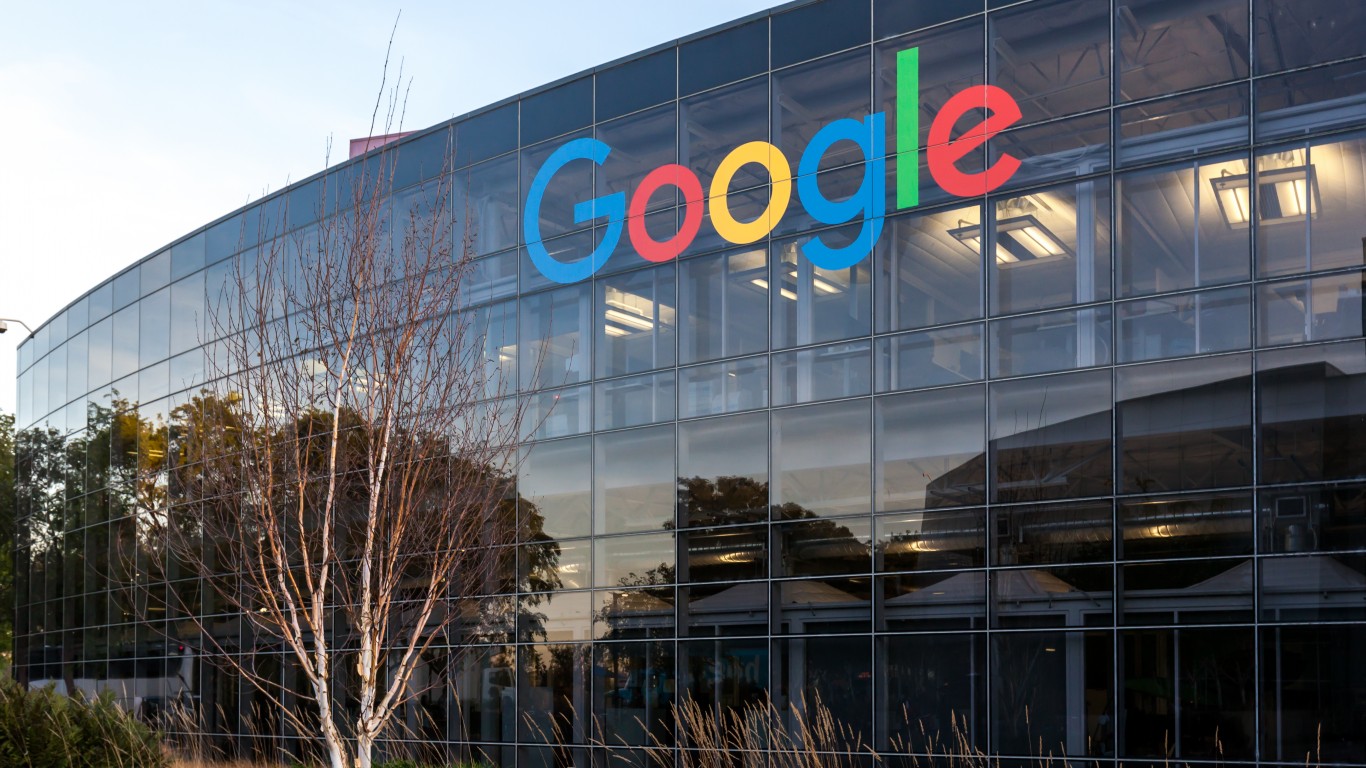
Alphabet (NASDAQ: GOOGL | GOOGL Price Prediction) and Tesla (NASDAQ: TSLA) both reported Q2 2026 results on July 22, exposing a widening gap. Google’s AI spending is already generating cash in core segments. Tesla’s AI spending remains a future-focused story.
Cloud Is Paying Google’s Bill. Robotaxis Aren’t Paying Tesla’s.
Google Cloud posted $24.768 billion in revenue, up 82% year over year, powered by enterprise AI infrastructure demand and nearly 90% Fortune 100 adoption of Gemini Enterprise. Search held up at $63.271 billion (17% growth), with Sundar Pichai attributing query growth to AI features and noting “Gemini models now process 22 billion API tokens per minute.” Operating margin expanded to 34%, even as capex doubled.
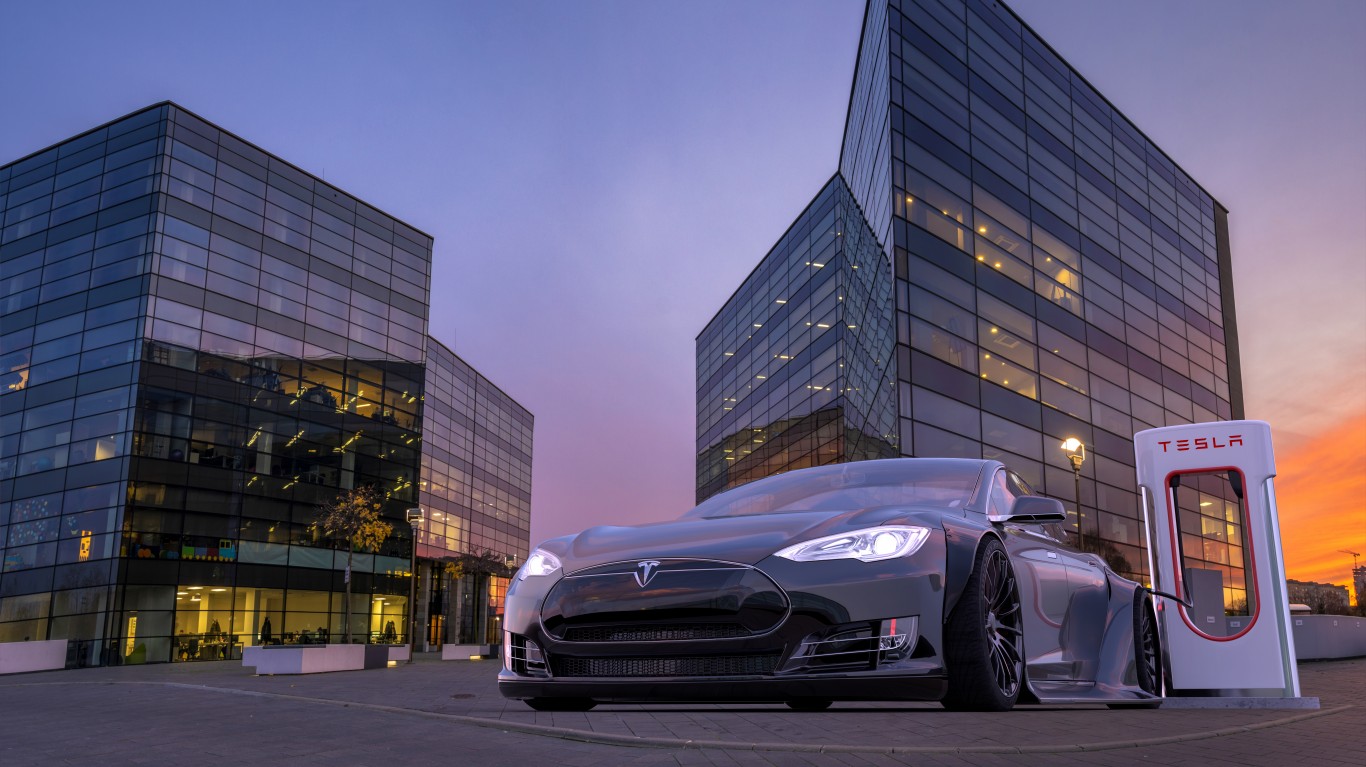
Tesla’s top line grew 25.52% to $28.236 billion on record 480,126 deliveries, yet operating income fell 56.88% to $398 million. FSD is a bright spot, with 1.48 million active subscriptions, up 56%, and Services and Other jumped 50% YoY. The problem is scale: FSD revenue is not yet large enough to offset a 47% surge in opex to $4.35 billion.
| Business Driver | Alphabet | Tesla |
| Main Growth Engine | Google Cloud AI infrastructure | Vehicle deliveries plus FSD |
| Operating Margin | 34% | 1.4% |
| Free Cash Flow | -$5.855B | -$1.092B |
Proof Now vs. Promise Later
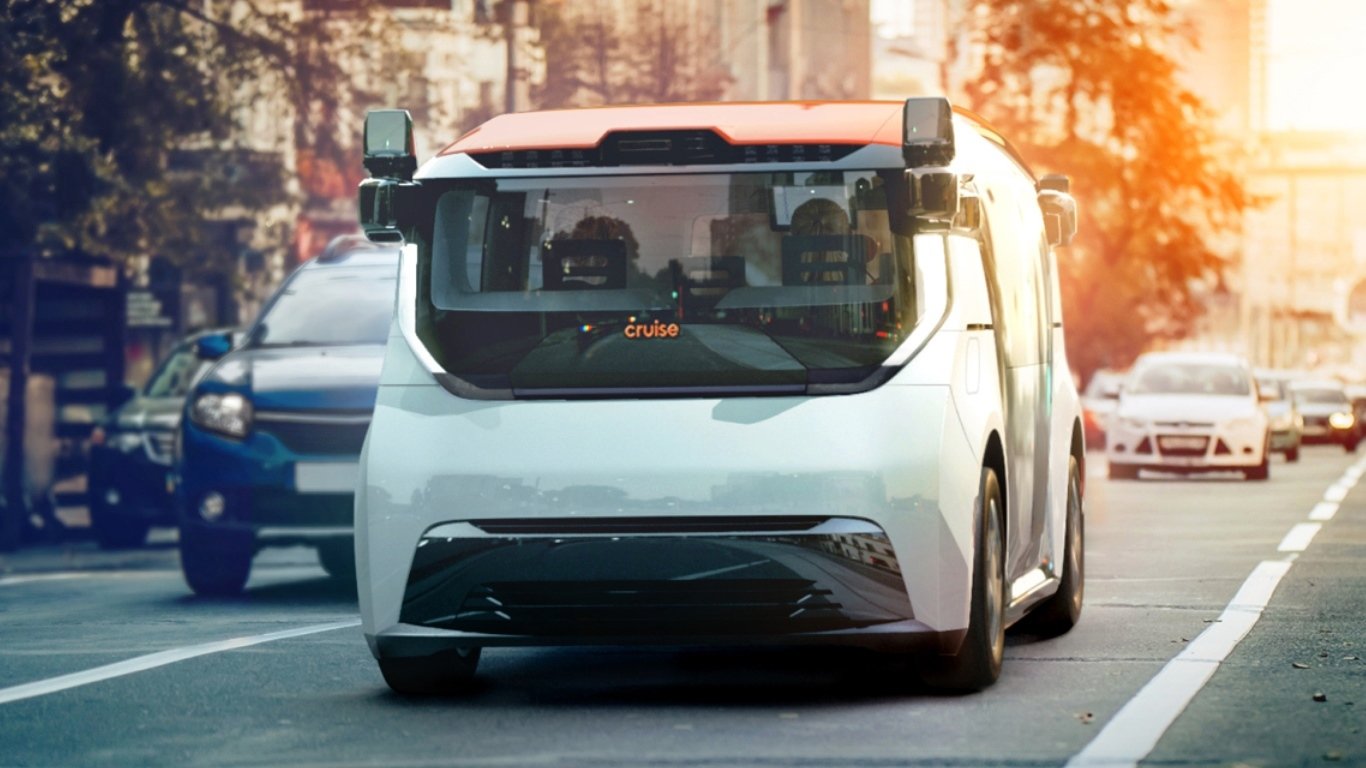
Both burned cash to build AI capacity. Alphabet’s $44.924 billion of capex and long-term debt jump from $46.5B to $98.2B would look concerning without the 82% Cloud growth backing it. Tesla’s $25 billion capital budget is funding Cybercab, Optimus, and Robotaxi rollout to seven U.S. metros. Market skepticism is evident: Polymarket assigns only a 14.5% probability to Tesla releasing Optimus by year-end. As per the divergence, the market demands immediate, quantifiable fundamental proof from Alphabet while allowing Tesla to trade as an open-ended narrative asset.
Since the earnings report, GOOGL is up 4.58%, while TSLA has slid 14.57%.
The Next Test Is Whether Tesla’s AI Line Items Start Generating Revenue
Watch whether Google Cloud’s growth holds above 70% next quarter, validating the $70 billion combined equity and debt raise. For Tesla, key milestones are Cybercab volume from Gigafactory Texas, Megapack 3 shipments, and any Optimus unit revenue disclosure. The FSD attach rate above 55% on new North American deliveries remains the healthiest signal in the report.
Where the Setups Diverge Until Tesla’s AI Line Items Show Up on the P&L
Alphabet’s setup is anchored in cash it generates today: a P/E of 15.88 against a 34% operating margin. Tesla at a P/E of 332.6 requires underwriting Optimus, Cybercab, and Robotaxi economics the crowd heavily bets against. Over 12 to 24 months of margin volatility, TSLA carries wider upside tied to a Robotaxi rerating, while GOOGL screens as the profile already printing profits.
Contact [email protected] for any questions or corrections.
Alex Sirois is a financial writer with experience spanning both retail and institutional investing. He has written for InvestorPlace and held roles at BNY Mellon and Bernstein, giving him a perspective that bridges Main Street portfolios and Wall Street analysis.
Alex holds an MBA from George Washington University and has built his career across multiple industries, including e-commerce, education, and translation — a breadth of experience that informs how he breaks down complex financial topics for everyday investors. His writing is conversational, actionable, and grounded in long-term, buy-and-hold investing principles.
At 247 Wall St., Alex focuses on delivering analysis that is both accessible and useful, with a clear emphasis on helping readers make more informed decisions with their money.