50% of Retail Investors Copy Famous Traders. Here’s Why That’s a Terrible Strategy
Half of retail investors have copied a trade from a famous investor, but the strategy carries a hidden risk that most of them never consider before hitting the buy button.

The stock market has made it easier than ever to see what famous investors, executives, celebrities, and politicians are buying. A regulatory filing, social-media post, or headline can put a trade in front of millions of investors before the ink is dry. That access creates the illusion that copying a successful investor can shortcut the hardest part of investing: doing the work yourself.
MarketWise conducted a survey of 1,005 U.S. retail investors in July that shows just how widespread the practice has become. Half of respondents said they had copied a publicly disclosed trade by a famous person. But the same survey also reveals the problem: Copying someone else’s trade can turn investing into a game of telephone, where the last person to hear the news is often taking the most risk.
The Billionaire’s Trade Isn’t Your Trade
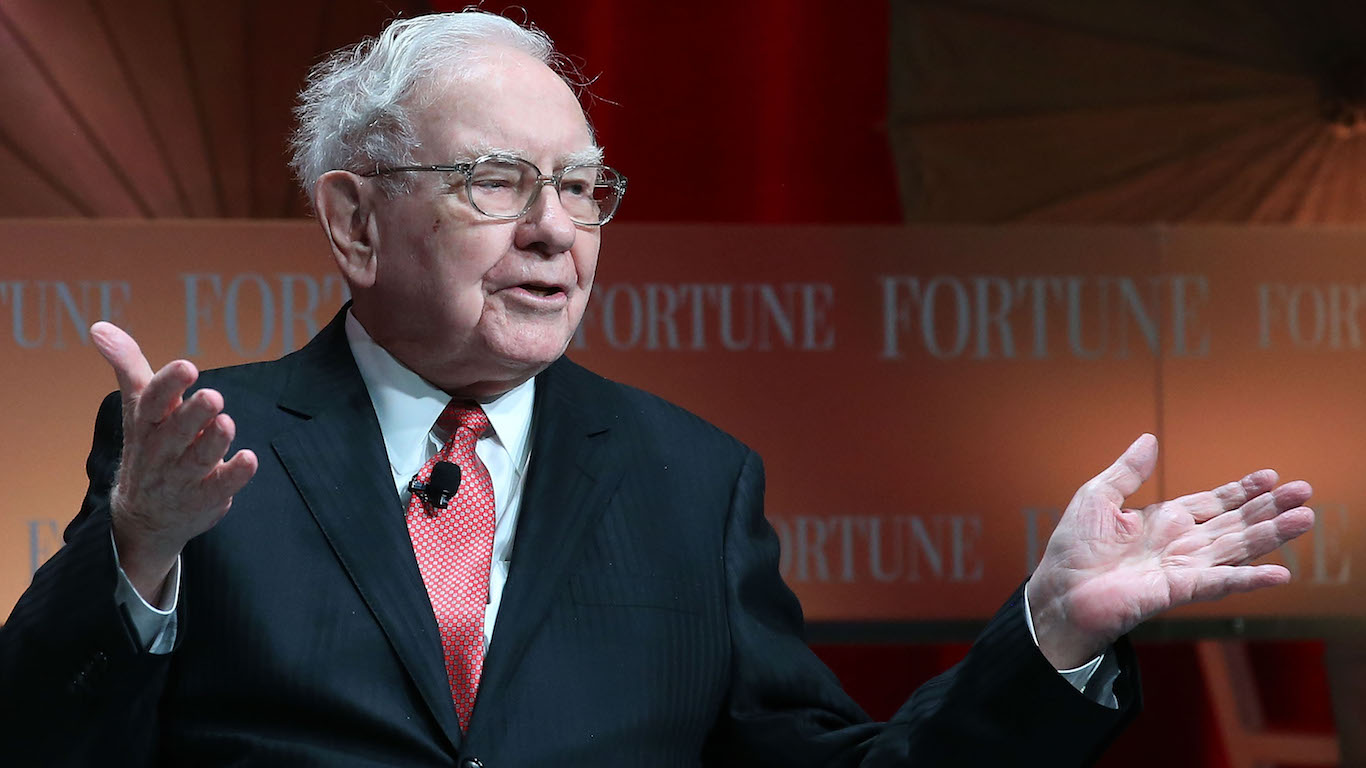
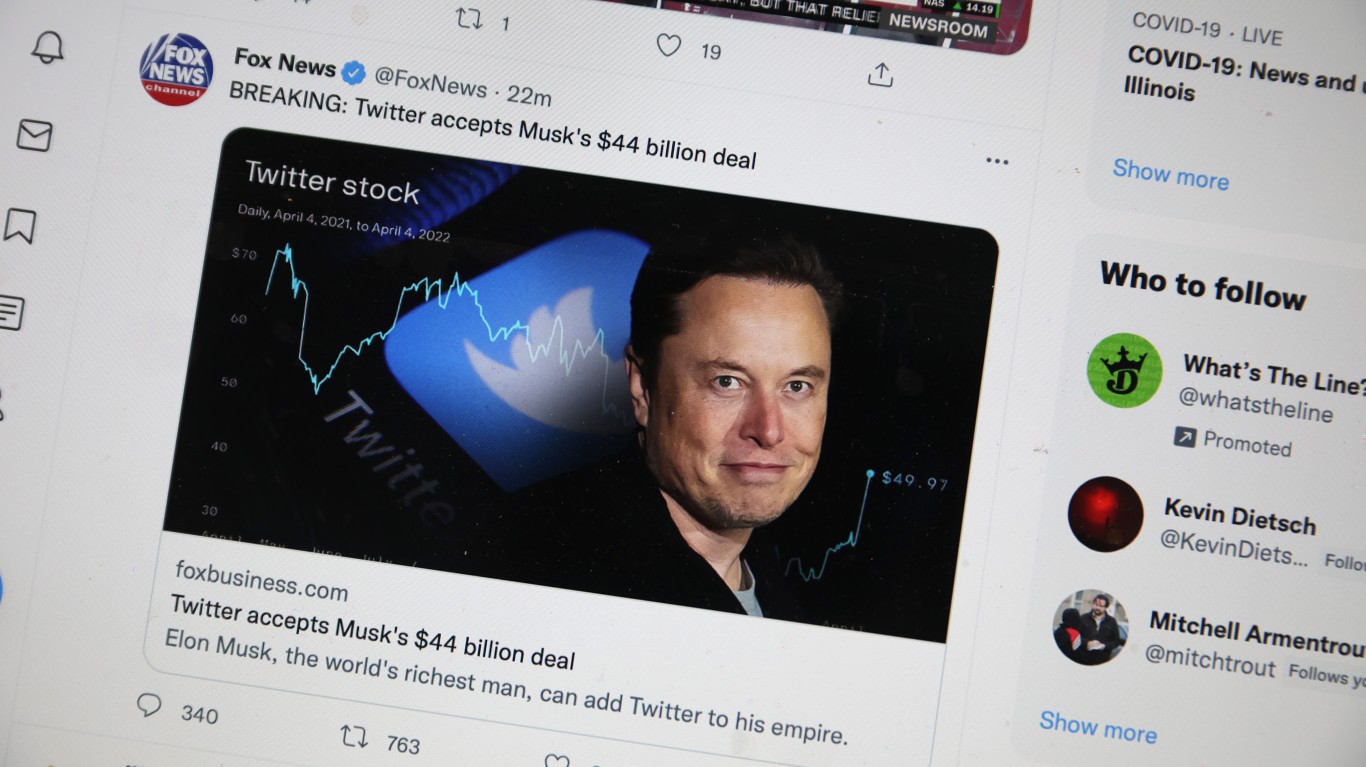
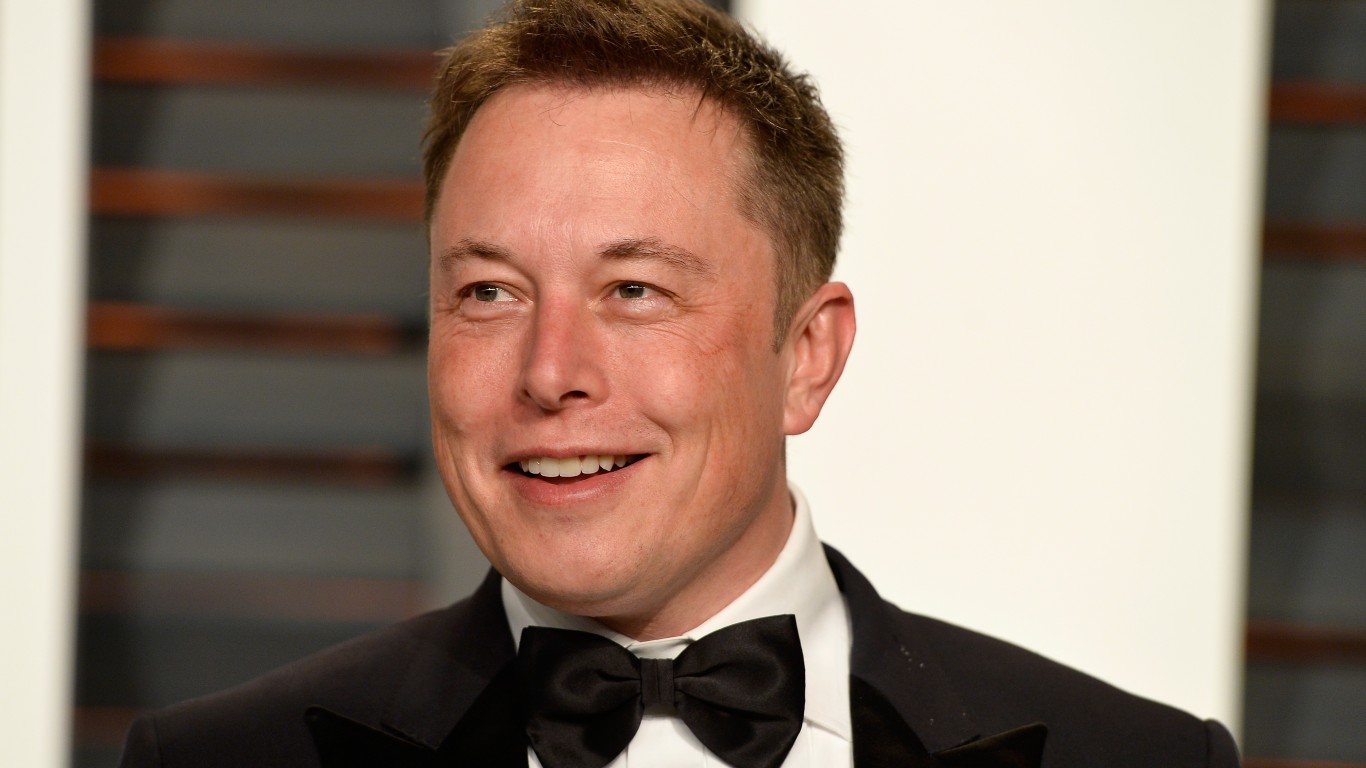
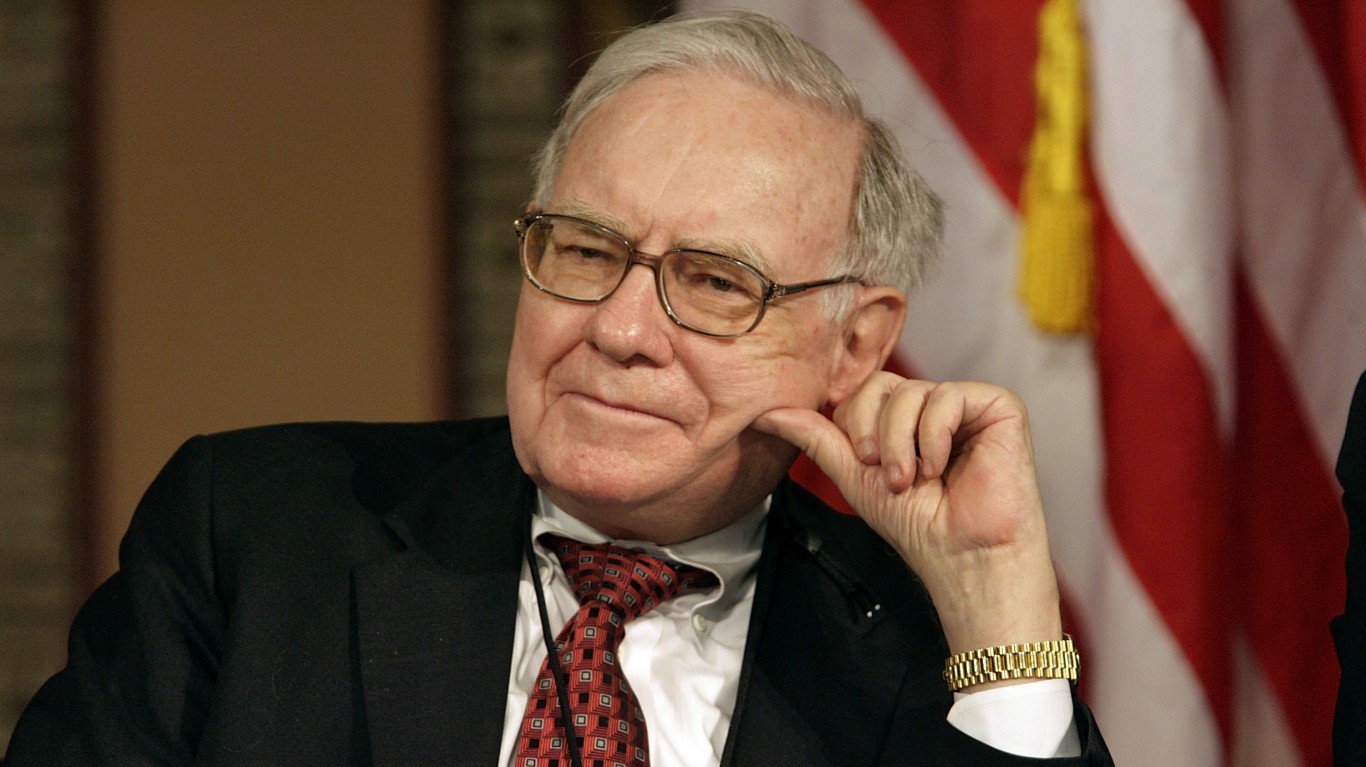
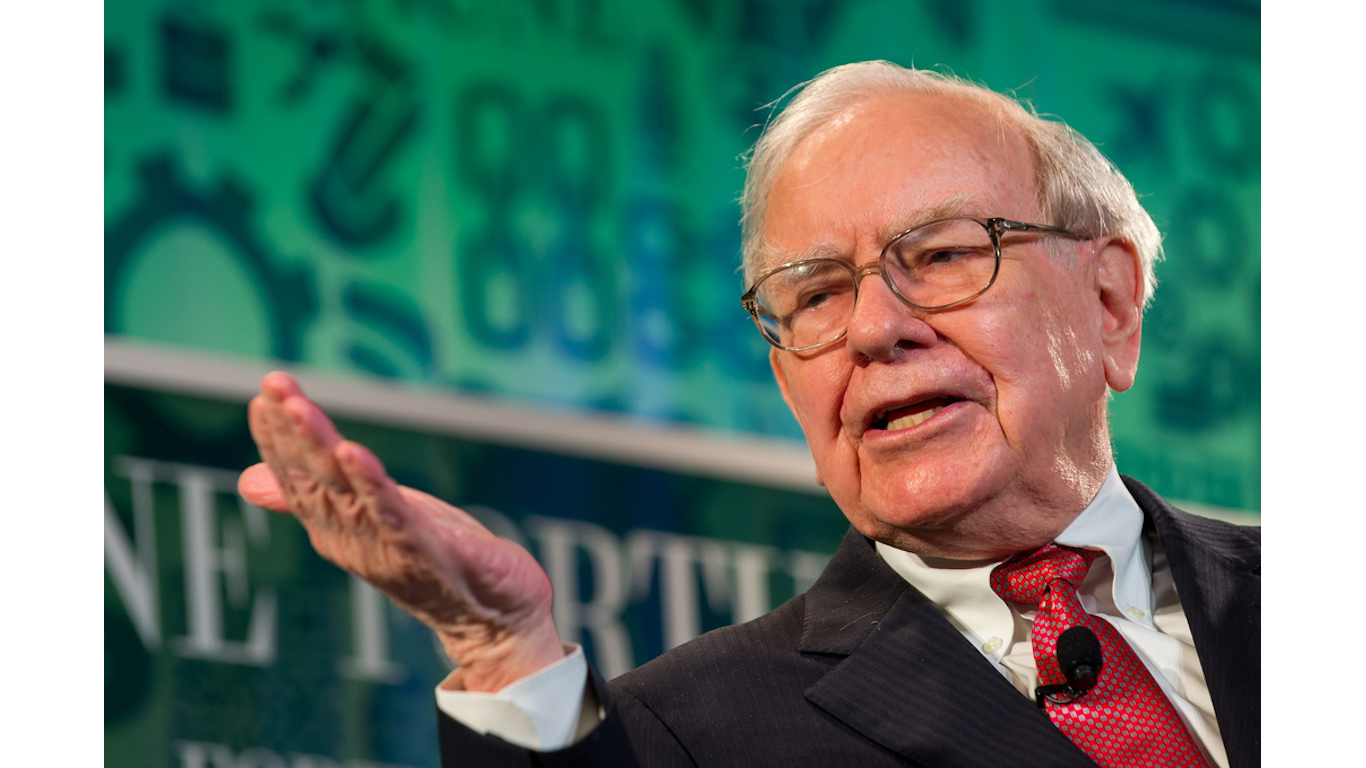
MarketWise researcher James Royal found that Warren Buffett was the most-copied individual, followed closely by former House Speaker Nancy Pelosi. Buffett was named by 35% of copycat investors, while Pelosi was cited by 34%. Elon Musk and financial influencers also attracted large followings, at 28% and 30%, respectively.
The temptation is understandable. If Buffett buys something, investors naturally assume he has uncovered an opportunity worth owning. But shareholders don’t get Buffett’s investment horizon, purchase price, portfolio size, tax situation, or access to his research process. They get a headline. That’s a critical distinction.
MarketWise found that 42% of investors who copied famous traders had done so without researching the company themselves. Worse, 46% had copied a trade after the stock had already risen. At that point, the copycat isn’t necessarily following the investor’s strategy. They’re following the market’s reaction to it.
The Numbers Expose the Copycat Trap
The survey’s results become more revealing when investors’ behavior is put side by side:
| Copycat behavior | Share of investors |
| Copied a famous person’s trade | 50% |
| Made money from copied trades | 41% |
| Didn’t research the company first | 42% |
| Traded within 24 hours of a social-media post | 59% |
| Bought after the stock had already risen | 46% |
| Kept copying after losing money | 23% |
| Used debt or margin to copy a trade | 14% |
The danger isn’t that every famous investor is wrong. It’s that retail investors can strip away the context surrounding a trade and keep only the ticker symbol. MarketWise found that 47% of copycat investors said following famous trades makes investing feel more like gambling. That’s a telling admission.
Royal’s conclusion is worth remembering: A famous person’s disclosure should be treated as “a lead to research rather than a reason to trade within the hour.”
Let the Billionaire Be Your Research Assistant
Granted, famous investors can still provide useful investment ideas. Buffett’s purchases can point investors toward companies worth investigating, just as a billionaire entrepreneur’s investment can identify an emerging industry.
But smart investors should reverse the order of operations. Start with the famous investor’s trade. Then examine the company’s revenue growth, profit margins, free cash flow, balance sheet, valuation, competitive position, and risks. Finally, decide whether the stock belongs in your portfolio.
In short, copy the research lead, not the trade. The billionaire already has an advantage because he understands why he owns the stock. Retail investors need to build that understanding before buying.
Key Takeaway
Riding a billionaire’s coattails isn’t an investment strategy. It is a starting point. MarketWise’s survey found that 58% of copycat investors had made at least $500 on one copied trade, so following famous investors can occasionally work. But self-reported wins don’t establish a repeatable strategy, and 13% said they had never made money from a copied trade.
Ultimately, the best trade isn’t the one Warren Buffett, Elon Musk, or another billionaire made. It’s the one you understand well enough to hold when the next headline tells you to sell.
Contact [email protected] for any questions or corrections.
After two decades of patrolling the dark corners of suburbia as a police officer, Rich Duprey hung up his badge and gun to begin writing full time about stocks and investing. For the past 20 years, he’s been cruising the markets looking for companies to lock up as long-term holdings in a portfolio while writing extensively on the broad sectors of consumer goods, technology, and industrials. Because his experience isn’t from the typical financial analyst track, Rich is able to break down complex topics into understandable and useful action points for the average investor. His writings have appeared on The Motley Fool, InvestorPlace, Yahoo! Finance, Money Morning, and, of course, 24/7 Wall St. He has been featured in both U.S. and international publications, including MarketWatch, Financial Times, Forbes, Fast Company, and USA Today.