“Insolvency and Wage Garnishment for Life”: Bill Ackman’s Brutal Take on California’s Tax Proposal
Bill Ackman told CNBC that a billionaire tax turns failed entrepreneurs into lifelong government debtors, but the proposal he described and the one actually on California's ballot may not be the same thing.


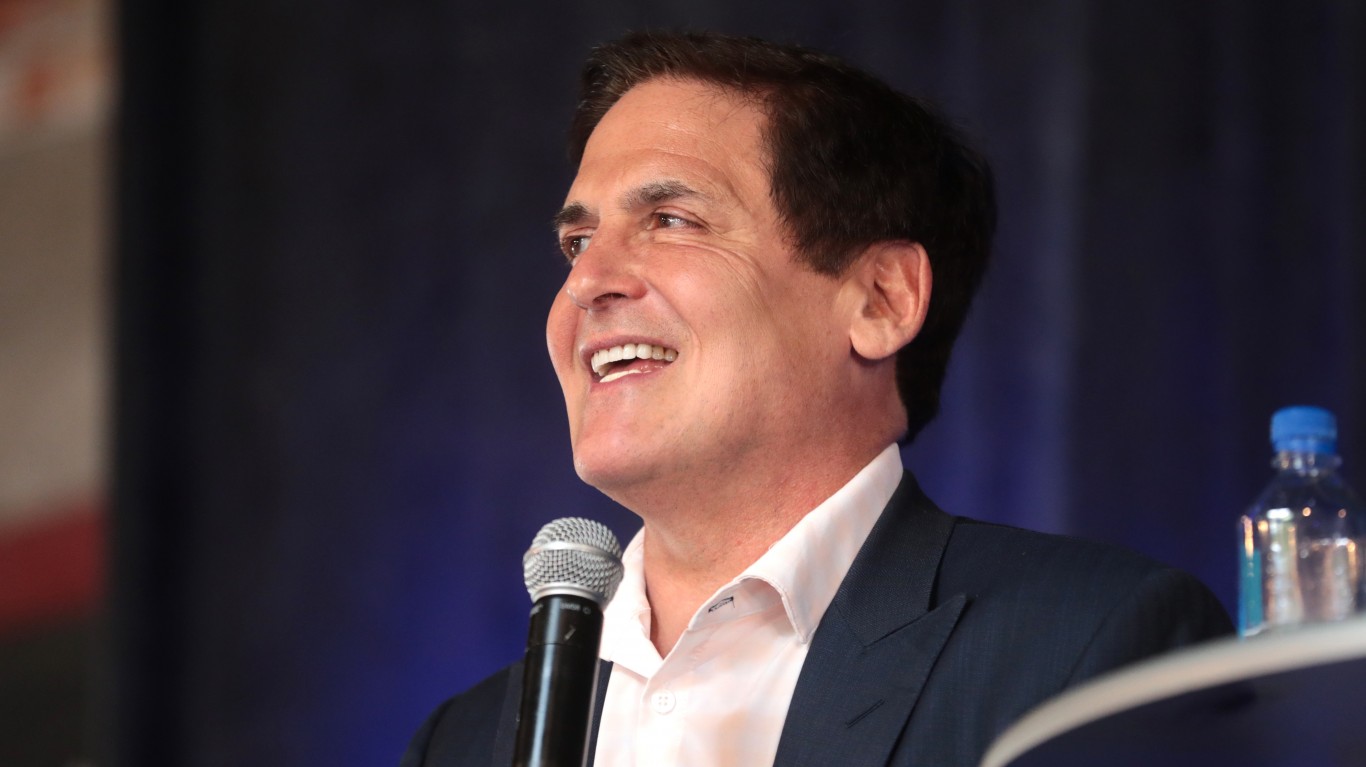
On a CNBC segment Monday morning titled “California Rep. Ro Khanna debates billionaire tax with Mark Cuban, Bill Ackman,” hosted by Andrew Ross Sorkin, Pershing Square founder Bill Ackman delivered the sharpest line of the exchange. Speaking about Rep. Ro Khanna’s proposal, Ackman argued that “the penalty for a failed startup is insolvency, and the government garnishes your wages for life.”
Ackman, whose disclosed positions are concentrated in Pershing Square vehicles and Howard Hughes Holdings (NYSE:HHH | HHH Price Prediction), would be directly affected by any wealth-based levy on billionaires. He framed the policy as punishment on entrepreneurial risk-taking rather than addressing fund managers. That is rhetorical characterization rather than a description of any provision in either proposal on the table.
Two Very Different Proposals
The debate conflates measures that need distinction. First, the California ballot measure: a one-time 5% tax on billionaires’ wealth, applying to about 250 billionaires, headed to a statewide vote in November. Signatures were submitted by SEIU-UHW, a healthcare workers union, and per the union it would generate around $100 billion over five years, with 90% of revenue directed to the healthcare sector. It was introduced in response to California healthcare funding cuts stemming from President Trump’s “Big Beautiful Bill.”
Second, the federal bill: Rep. Khanna has teamed with Vermont Sen. Bernie Sanders on legislation establishing an annual 5% wealth tax on billionaires nationwide. Ackman’s “for life” language describes a recurring, permanent levy, which maps far more closely to the annual federal bill than to the one-time state ballot measure. The segment did not clarify which he was addressing.
Khanna’s Case, and Sorkin’s Read
Khanna framed the politics in populist terms: “The California Democratic Party and the California labor movement just stood with Bernie Sanders and me in supporting a 5% wealth tax on 250 California billionaires. California voters want a Democratic Party that will stand up for the working class over the billionaire class.”
Sorkin pressed on the paradox that Khanna represents Silicon Valley, saying Khanna must believe that there are enough people in his district “must believe that there’s enough people in his district who work at tech companies, but are not billionaires themselves, who somehow hold either so much animosity towards their overlords.”
The Money War
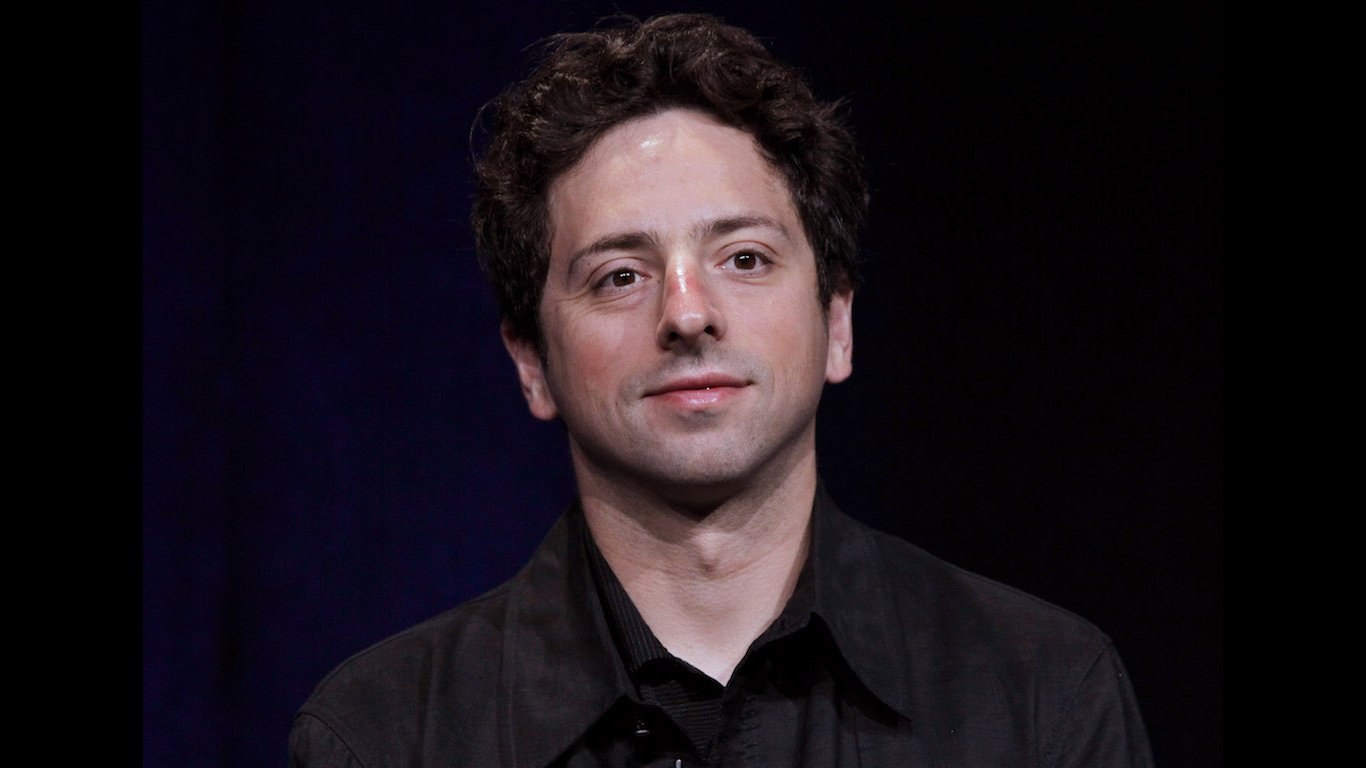
SEIU-UHW and associated political groups have contributed more than $31 million to a committee supporting the initiative, per ABC News reporting. The opposition is better funded. Building a Better California has raised more than $118 million from 10 donors, more than half from Google co-founder Sergey Brin. That group backs two competing ballot initiatives, one on government transparency and one on protecting retirement savings from taxes; if either receives more votes than the billionaire tax measure, it negates it. Those two campaigns have received around $48 million and around $49 million respectively since February, almost all from Building a Better California. Syracuse political psychology scholar Shana Kushner Gadarian summarized the tactic: “My guess would be that the strategy is to just avoid the whole question of the billionaire tax … to be for something rather than against something.”
What Independent Analysts Actually Say
California’s nonpartisan Legislative Analyst’s Office partially validates the capital-flight concern while declining to quantify it, writing that “It is likely that some billionaires decide to leave California. The reduction in state revenues from these kinds of responses could be hundreds of millions of dollars or more per year.” A separate report from the University of Missouri School of Law suggests threats by billionaires to relocate may be strategic posturing. The empirical question remains unsettled.
SEIU-UHW chief of staff Suzanne Jimenez pushed back on relocation warnings: “I think it’s kind of the same scare tactic we see time and time again around any kind of campaign that is about investing in public services.” She also warned of a “complete collapse” of California’s healthcare system if funding shortfalls go unaddressed. The California Budget and Policy Center estimates the state could lose as much as $30 billion in Medicaid funding annually as a result of the H.R. 1 cuts, and that as many as 3.4 million people could lose coverage.
The Governor Is Not On Board
Per ABC News reporting, California Gov. Gavin Newsom opposes the tax, splitting the sitting Democratic governor from his own state party apparatus. In a May 5 debate, every candidate running for California governor except Tom Steyer voiced opposition. Steyer later told Wired the tax “doesn’t go far enough,” while also saying he wants California to be “where the companies that are changing the world are begun and grow and stay.” Brian Brokaw, a longtime Newsom adviser leading the opposition group Stop the Squeeze, told ABC News: “We’re not just talking about individual billionaires. You’re talking about an entire economy that is the backbone of California’s economic engine.”
For investors watching the debate, the operative facts are these. Ackman is arguing against a permanent, recurring tax-on-wealth regime, which describes the federal Sanders-Khanna bill more than the California ballot measure. The state measure is a one-time levy heading to voters in November, opposed by the sitting Democratic governor and by nearly the entire field seeking to replace him, funded on the “yes” side by a healthcare union and on the “no” side principally by a tech co-founder deploying a competing-initiative strategy. The revenue question and the capital-flight question underneath it remain contested by the state’s own analysts.
Contact [email protected] for any questions or corrections.
AJ spent 10 years writing about financial markets at The Motley Fool. His coverage centers on technology stocks and the broader macroeconomic trends, from interest rates to geopolitics, that shape where markets are headed next. AJ is drawn to the stories where big-picture economics and individual companies collide.