Larry Page, Sergey Brin, and Peter Thiel All Fled California’s Billionaire Tax. Nvidia’s CEO Isn’t Going Anywhere. Even With an $8 Billion Bill Coming His Way
While fellow billionaires rushed to abandon California before a landmark wealth tax snapshot locked in their liability, one of the richest people on earth publicly embraced what could be the largest personal tax bill in state history.

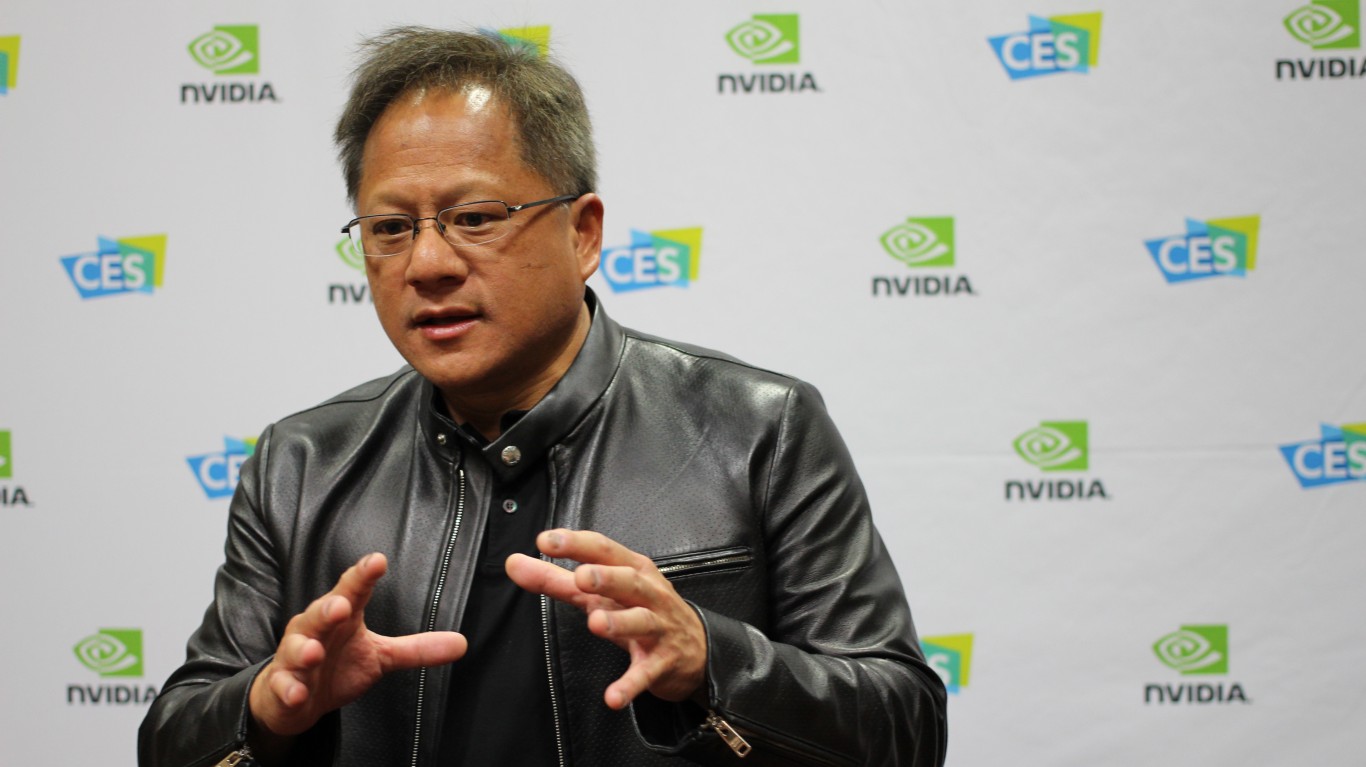
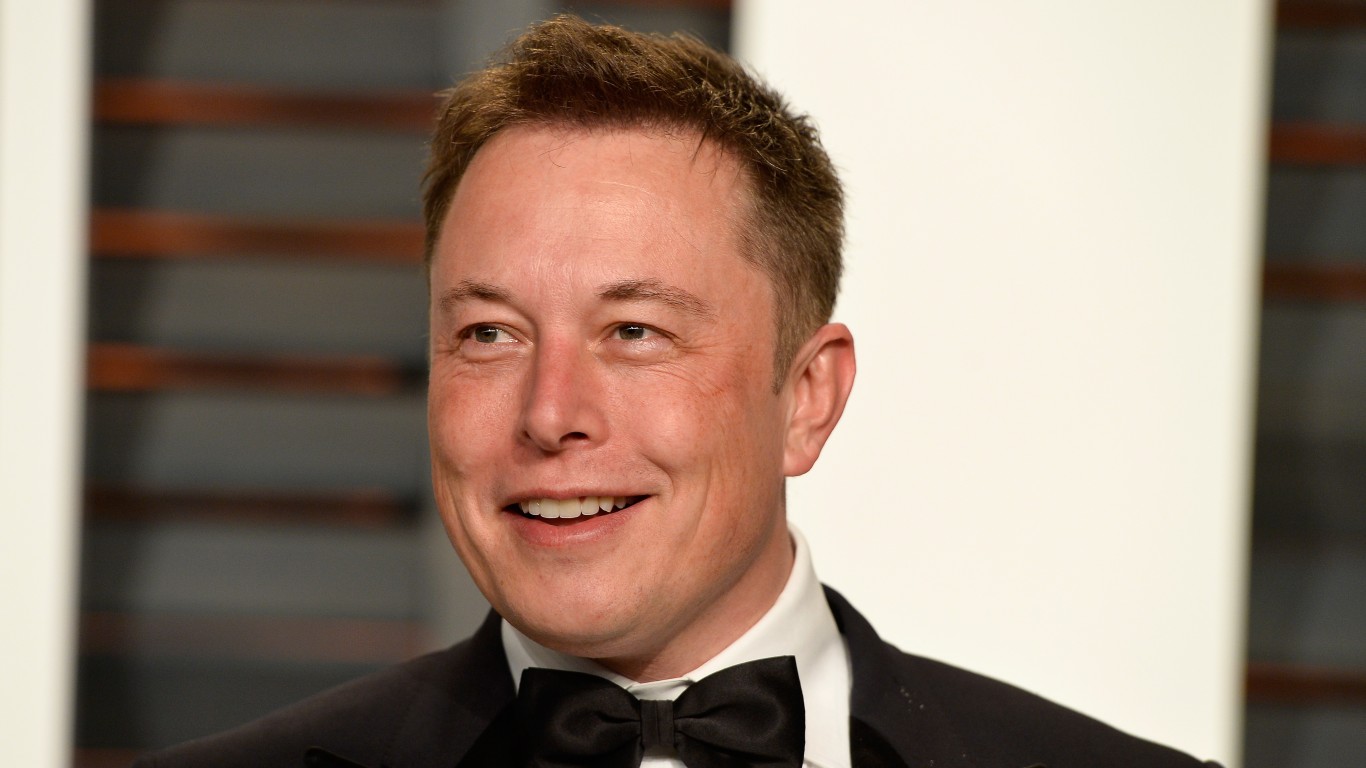
NVIDIA (NASDAQ:NVDA | NVDA Price Prediction) CEO Jensen Huang has publicly welcomed a potential $8 billion personal tax bill from California’s proposed one-time billionaire wealth tax. The stance contrasts sharply with Larry Page, Sergey Brin, and Peter Thiel, each of whom moved to end California residency before the measure’s residency snapshot took effect.
The tax has not passed. It is a ballot measure, formally Initiative Number 25-0024, that California voters decide on November 3, 2026. All potential liability figures are conditional on that vote.
How the Measure Would Work
The initiative is a one-time 5% excise on accumulated wealth above a one billion dollar threshold. Residency is fixed by a snapshot date of January 1, 2026. Net worth is valued at year-end and the tax comes due in 2027, payable over five years. Roughly 200 to 250 individuals with combined net worth around one trillion dollars would be affected.
Leaving is difficult. The measure includes substantial-presence tests catching anyone present in California for at least 31 days in a year and 183 days over a three-year weighted average.
Who Left Before the Snapshot
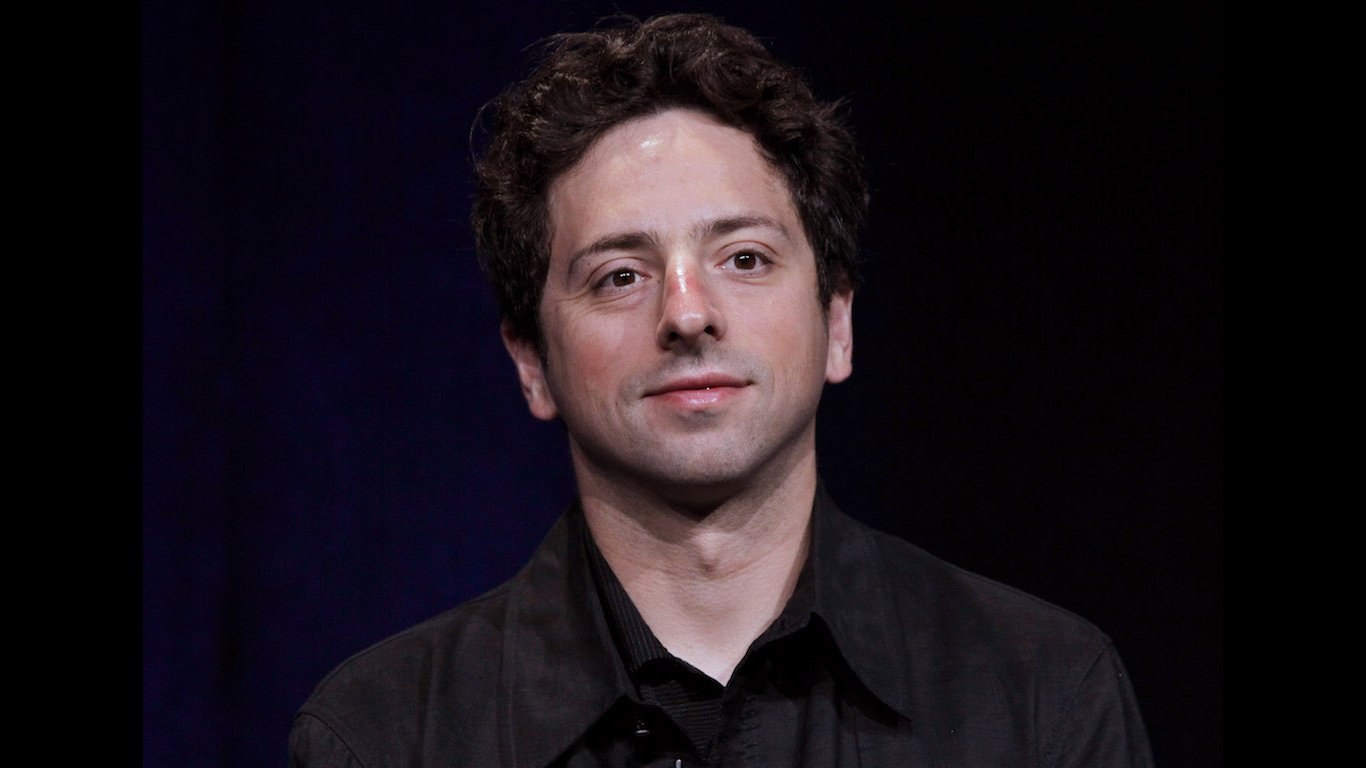
Bloomberg reported that at least six billionaires publicly cut ties with California before the cutoff, including Page, Brin, Thiel, Don Hankey, Travis Kalanick, and Steven Spielberg.
- Larry Page purchased two Coconut Grove waterfront mansions in Miami for a combined $173 million and converted his family office, Koop, from a California entity to a Delaware corporation with a Florida address.
- Sergey Brin acquired a $51 million waterfront mansion on Allison Island in Miami and listed Nevada as his official residence. He co-founded opposition PAC Building a Better California, which Fortune reported had raised more than $100 million as of August 2026, and told the New York Times, “I fled socialism with my family in 1979 and know the devastating, oppressive society it created in the Soviet Union.”
- Peter Thiel shifted his family investment firm’s operations from California to Miami in late December 2025.
Huang’s Pitch: A Privilege and a Responsibility
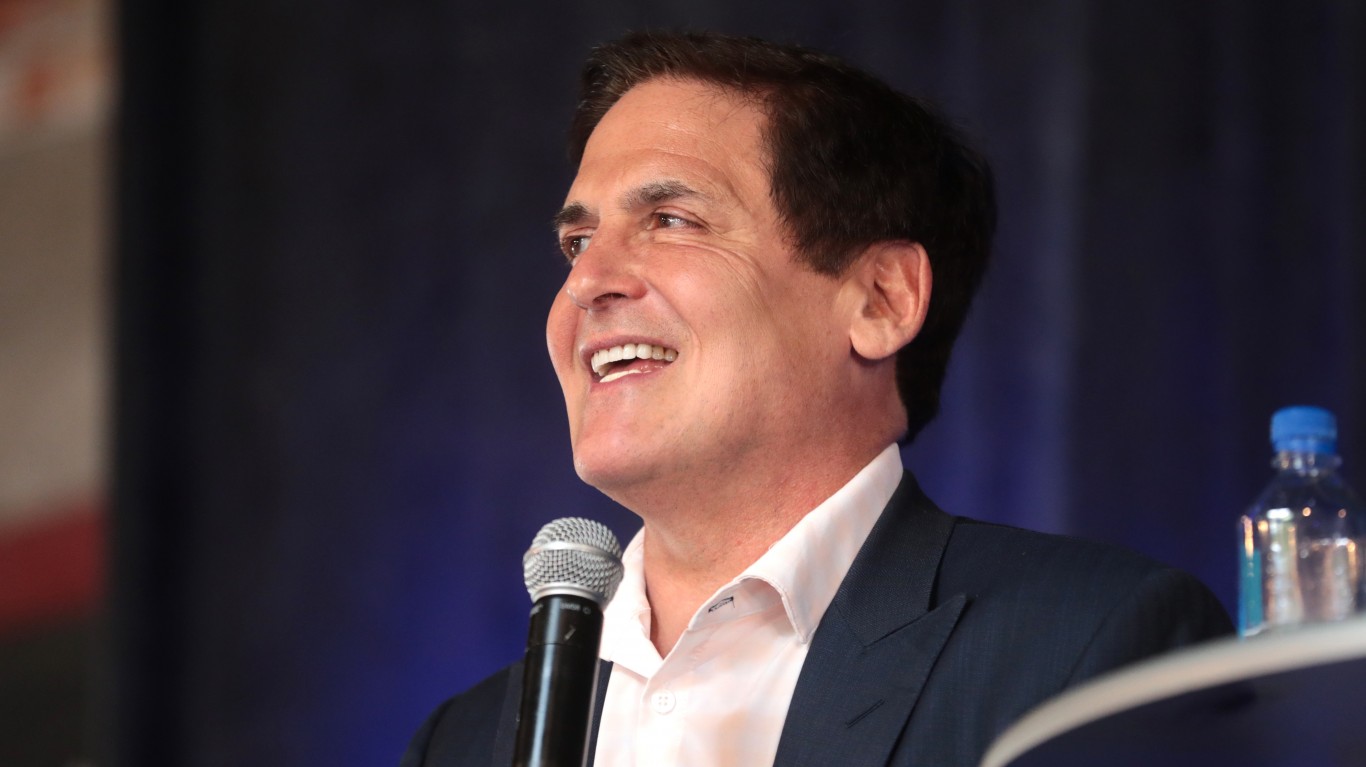
In a CBS News interview, Huang said “The fact that I can afford to pay $8 billion in taxes over five years is a privilege. I feel it’s a privilege. It’s a responsibility.” He added, “I’m not afraid of paying taxes. I’m just afraid of being poor.”, according to Nvidia
The $184 billion estimate of Huang’s fortune, and the $8 billion figure he cited, move with the price of NVIDIA stock and are estimates rather than fixed amounts. NVIDIA’s most recent earnings report and capital return details are available in the company’s Q2 FY2027 SEC filing for readers wanting the underlying business context.
Economics Both Sides Are Fighting Over
Hoover Institution scholars conducted a person-by-person analysis of California’s billionaire base and found that nearly 30% of the tax base had already departed before the initiative qualified for the ballot, per the research document. That represented $536 billion in wealth, led by the Google and Meta cohorts, and reduced projected one-time revenue from $100 billion to approximately $40 billion. Accounting for permanently lost future income tax payments, the Hoover study estimates net present value at negative $24.7 billion. The document also attributes an estimated $26.7 billion revenue reduction to the loss of Page and Brin alone.
The research flags a structural quirk using DoorDash (NASDAQ:DASH) co-founder Tony Xu, who holds 57.6% of the company’s voting rights while owning only 2.6% of the equity. Applied to the company’s $2.41 billion valuation, that produces a bill of $2.62 billion, more than the value of the shares Xu actually owns.
Opponents include Governor Gavin Newsom. Proponents argue California billionaires currently pay state income tax equal to roughly 0.2% of total wealth, framing the measure as a corrective.
Contact [email protected] for any questions or corrections.
AJ spent 10 years writing about financial markets at The Motley Fool. His coverage centers on technology stocks and the broader macroeconomic trends, from interest rates to geopolitics, that shape where markets are headed next. AJ is drawn to the stories where big-picture economics and individual companies collide.